




Energy gum occupies a unique and rapidly expanding niche at the intersection of functional foods, confectionery, and performance nutrition. Unlike energy drinks that require liquid consumption, or capsules that take 30-45 minutes to digest, energy chewing gum delivers active ingredients through the buccal mucosa — the lining of the mouth — providing perceptible effects within 5-10 minutes. For today's fast-moving consumer, that speed advantage is a powerful purchase motivator.
For brand owners, e-commerce sellers, and entrepreneurs, the energy gum category offers something even more compelling: a relatively low barrier to entry through the private label model. Rather than spending years and millions developing proprietary gum manufacturing capabilities, brands can partner with experienced OEM manufacturers who provide the formulation expertise, production infrastructure, and quality certifications needed to bring a competitive product to market in months, not years.
This guide walks through every step of the private label energy gum journey — from market analysis and formulation strategy to manufacturing partner evaluation and launch execution. Whether you are a supplement brand expanding into functional confectionery, a distributor looking to launch a house brand, or an entrepreneur entering the wellness space, the decisions detailed here will shape your product's success.
1. Why Energy Gum? The Market Opportunity
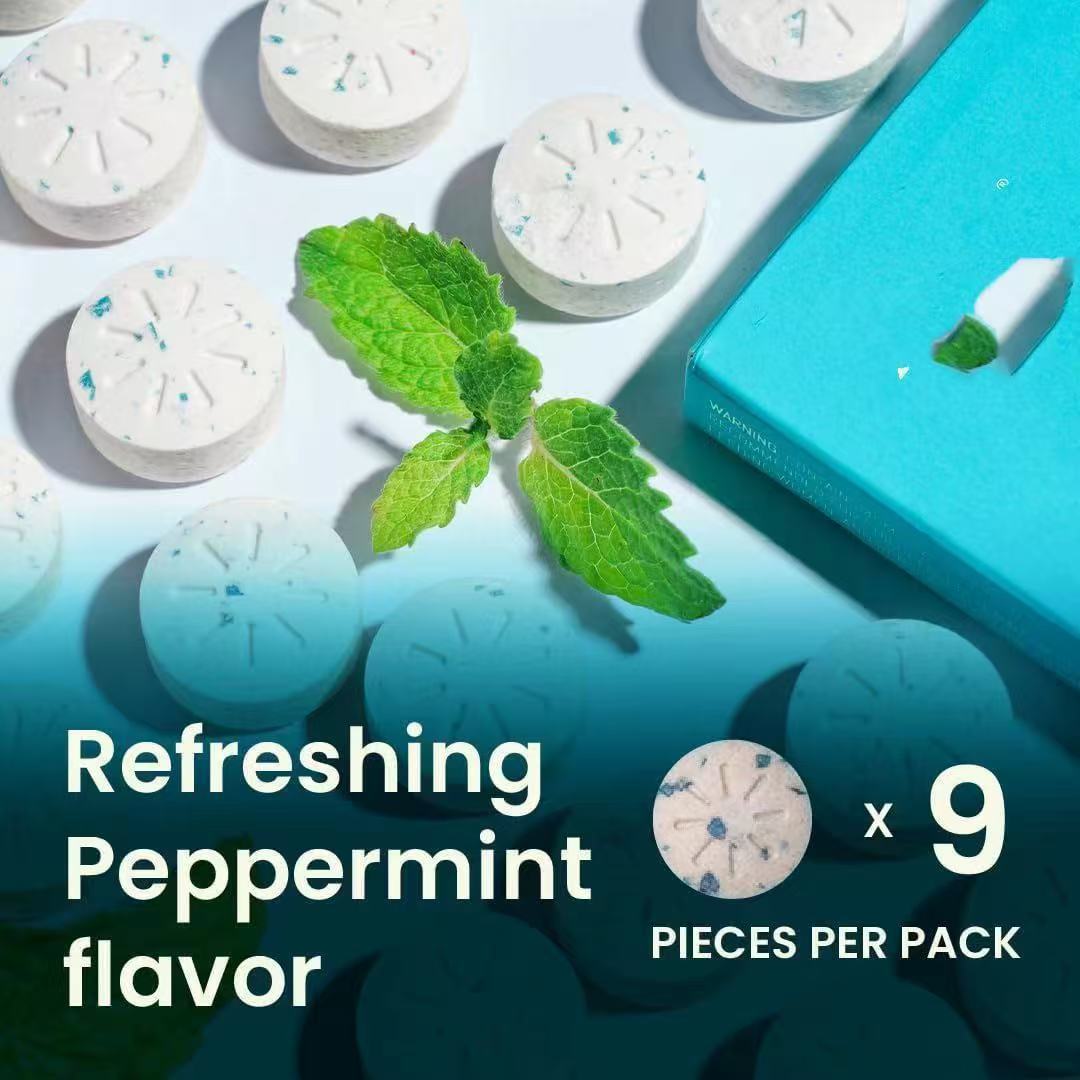
The global functional chewing gum market has been quietly building momentum for the better part of a decade, and it is now entering a phase of accelerated growth that brand owners should pay attention to. According to industry analysis, the functional gum segment — encompassing energy, focus, oral care, and wellness varieties — is projected to grow from approximately $3.2 billion in 2024 to over $5 billion by 2032, representing a compound annual growth rate (CAGR) of 6.5-7.2%.
Several structural trends are converging to drive this growth:
- Format fatigue with traditional energy products: Consumers — particularly millennials and Gen Z — are increasingly seeking alternatives to sugary energy drinks and bulky supplement bottles. Energy gum fits into a pocket, requires no water, and can be consumed discreetly in meetings, during travel, or mid-workout.
- The "functional snacking" megatrend: The line between food and supplementation continues to blur. Consumers want products that deliver functional benefits in familiar, enjoyable formats. Chewing gum is one of the most universally recognized consumption formats, making it an ideal vehicle for functional ingredients.
- Rapid-onset advantage: The buccal absorption pathway — where active compounds enter the bloodstream directly through the tissues of the mouth — provides caffeine delivery that is significantly faster than gastrointestinal absorption. Research has demonstrated that caffeine from chewing gum reaches peak plasma concentration approximately 2-3 times faster than caffeine from capsules.
- E-commerce compatibility: Unlike beverages (heavy, expensive to ship) or gummies (temperature-sensitive, prone to melting), energy gum is lightweight, shelf-stable, and compact — making it an ideal product for direct-to-consumer e-commerce and subscription models.
Study: "The rate of absorption and relative bioavailability of caffeine administered in chewing gum versus capsules to normal healthy volunteers."
Key findings: Caffeine administered via chewing gum reached peak plasma concentration (Tmax) significantly faster (mean 44 minutes) compared to the capsule formulation (mean 84 minutes). Approximately 85% of the caffeine was released from the gum matrix within the first 10 minutes of chewing. The relative bioavailability of gum-administered caffeine was comparable to capsule administration, confirming that the gum format accelerates absorption rate without sacrificing total bioavailability.
View on PubMed →
This pharmacokinetic advantage is not just a laboratory curiosity — it translates directly into consumer-perceived value. A consumer who feels the energizing effect of gum within 5-10 minutes of chewing, versus waiting 30-45 minutes for a capsule or energy drink to take effect, experiences a fundamentally different product. That difference drives word-of-mouth, repeat purchase, and brand loyalty.
2. Understanding the Private Label Model for Functional Gum
For brands entering the energy gum category, the private label (also called OEM/ODM) model offers a pragmatic middle path between two extremes: reselling generic commodity products (low margin, no differentiation) and building a proprietary manufacturing facility (high capital requirement, long timeline). Under the private label model, a contract manufacturer produces energy gum to your specifications and packages it under your brand name, while you focus on brand building, marketing, and distribution.
Three Levels of Private Label Customization
Not all private label arrangements are the same. Manufacturers typically offer three tiers of customization, and understanding the differences is essential for aligning your budget to your brand ambition:
| Customization Level | What You Get | Time to Market | Typical MOQ | Best For |
|---|---|---|---|---|
| Tier 1: Stock Formula | Existing manufacturer formulation with your label and packaging. Limited flavor and dosage options. | 4-6 weeks | 3,000-5,000 packs | Market testing, quick launch, minimal budget |
| Tier 2: Modified Formula | Existing gum base with customized caffeine source, dosage, flavor profile, and packaging. | 6-10 weeks | 5,000-15,000 packs | Brand building, moderate differentiation |
| Tier 3: Custom R&D | Fully custom gum base, unique active blends, novel flavor combinations, full packaging customization. | 10-16 weeks | 15,000-50,000+ packs | Unique market position, premium brand |
Most brands entering the energy gum category start with Tier 2 — a modified formula that provides meaningful differentiation (custom flavor, specific caffeine source and dosage, branded packaging) without the extended timeline and higher MOQ of fully custom R&D. As the brand establishes market traction, many graduates to Tier 3 for second-generation products that incorporate unique functional blends and proprietary gum base technology.
Why Private Label Makes Sense for Energy Gum Specifically
Energy gum manufacturing involves specialized equipment — gum base mixing and extrusion machinery, coating and polishing systems, blister packaging lines — that requires significant capital investment. The gum base formulation itself is a specialized area of food science, with different bases requiring different processing parameters for proper texture, chewability, and active ingredient release kinetics. By partnering with an experienced manufacturer, brands access this infrastructure and expertise without the capital expenditure, allowing them to allocate resources toward the activities that actually drive revenue: branding, marketing, and customer acquisition.
Ahualyn's Energy & Focus Gum product line is built on this private label model — offering brands access to pre-validated gum base technology, customizable caffeine sources and dosage levels, and full packaging design support. For a deeper look at how caffeine and L-theanine work synergistically in functional products, see our article on the research-backed caffeine + L-theanine ratio for clean energy.
3. Core Formulation Decisions: Caffeine, Gum Base & Active Ingredients
The formulation of your energy gum is where brand strategy meets food science. Every decision — from the caffeine source to the gum base composition to the inclusion of complementary functional ingredients — shapes how consumers experience your product and whether they come back for more.
Caffeine Source Selection
Caffeine is the functional anchor of energy gum, and the source you choose carries strategic implications for your brand positioning, marketing claims, and target consumer:
| Caffeine Source | Advantages | Considerations | Brand Positioning |
|---|---|---|---|
| Synthetic Caffeine | Precise dosage control, neutral taste, lowest cost, most studied form | "Artificial" perception among clean-label consumers, less marketing story | Performance/functional, value-oriented |
| Green Tea Extract | Natural positioning, contains complementary polyphenols (EGCG), strong consumer recognition | Slight taste impact, variable caffeine standardization, higher cost | Natural/wellness, premium |
| Guarana Extract | Natural source with unique phytochemical profile, slower-release perception, Amazonian heritage story | Stronger taste impact, requires taste-masking, variable standardization | Natural/adventure, premium niche |
| Yerba Mate Extract | Whole-plant extract with polyphenols and minerals, strong cultural story (South American tradition) | Distinctive earthy taste, lower caffeine concentration, higher cost | Botanical/artisanal, specialty |
| Coffee Bean Extract | Familiar flavor association, natural source, complementary chlorogenic acids | Strong flavor profile, may limit flavor pairing options | Coffee-alternative, familiar-natural |
The caffeine dosage per piece is equally important. Industry norms cluster around the following ranges:
- 40-50mg per piece: "Light energy" positioning. Equivalent to roughly half a cup of coffee. Appeals to casual consumers, first-time functional gum users, and those who want micro-dosing control.
- 60-80mg per piece: The competitive sweet spot. Delivers a meaningful energy lift without exceeding a single cup of coffee equivalent. This is where most major energy gum brands position their standard products.
- 100mg+ per piece: "High potency" positioning. Targets experienced caffeine consumers, athletes, and night-shift workers. Requires prominent cautionary labeling.
Review: "Chewing gum as an active compound delivery system: A review of the evidence and future directions."
Key findings: Chewing gum provides a viable and effective delivery platform for active compounds, with distinct pharmacokinetic advantages for ingredients requiring rapid onset. The review identified gum base composition, active ingredient lipophilicity, and chewing duration as the three primary factors controlling release kinetics. For water-soluble compounds like caffeine, release is primarily controlled by chewing frequency and saliva production rate, with approximately 80-90% of the active released within the first 10-15 minutes of chewing under typical conditions.
View on PubMed →
Gum Base Fundamentals
The gum base is the structural foundation of your product — it determines texture, chewability, flavor release, and shelf stability. While gum base formulation is a specialized field that your manufacturer will handle, understanding the basic options helps you communicate your preferences effectively:
- Conventional gum base: A blend of elastomers, resins, waxes, and softeners derived from both natural and synthetic sources. Provides consistent texture, long chew time, and reliable active ingredient release. The industry standard for commercial chewing gum.
- Natural chicle-based gum base: Derived from the sapodilla tree, chicle offers a biodegradable, natural positioning with a distinctively softer chew texture. Appeals to clean-label and eco-conscious consumers. More expensive and less consistent than conventional bases.
- Functional gum base variants: Some manufacturers offer gum bases engineered specifically for functional ingredients, with optimized porosity and hydrophilicity to control active compound release rates. These are typically proprietary formulations that a manufacturer's R&D team will recommend based on your specific active ingredient profile.
Beyond Caffeine: Complementary Functional Ingredients
While caffeine is the hero ingredient in energy gum, complementary functional compounds can differentiate your product and expand its appeal. Each addition, however, introduces formulation complexity — compatibility testing with the gum base, taste impact assessment, and stability verification are essential:
- L-Theanine (50-100mg per serving): An amino acid found in green tea that promotes a state of relaxed alertness. When paired with caffeine, L-theanine has been shown to smooth out caffeine's energizing effects, reducing the sensation of overstimulation while maintaining cognitive performance benefits. This caffeine + L-theanine combination is one of the most researched functional pairings and offers a strong, evidence-based brand story. See our detailed article on the caffeine + L-theanine ratio for the research evidence.
- B-Vitamins (B6, B12): These vitamins play essential roles in energy metabolism. B12, in particular, is widely recognized by consumers for its role in maintaining energy levels. As water-soluble vitamins, they integrate well into gum formulations with minimal taste impact.
- Taurine (100-500mg per serving): A staple of the energy drink category, taurine is an amino acid involved in cellular energy regulation. Its slightly bitter taste requires taste-masking in gum, but the consumer familiarity (from energy drink association) can be a marketing asset.
- Ginseng Extract: An adaptogenic herb with a long history of traditional use for vitality and stamina. Ginseng carries a premium, natural-health positioning but introduces a distinctive taste that limits compatible flavor profiles.
- Electrolytes (sodium, potassium, magnesium): For sports-positioned energy gum, electrolyte inclusion adds a hydration-support angle. Mineral salts require careful formulation to avoid grittiness and off-tastes.
Ready to formulate your energy gum? Ahualyn's OEM/ODM services include formulation consultation, custom caffeine source and dosage development, multi-ingredient functional blends, and full R&D support. Share your product vision and we will help you bring it to life.
Explore OEM Services →4. Flavor Profiles and Sensory Experience
In the energy gum category, flavor is far more than a taste preference — it is the sensory hook that drives first purchase and the daily enjoyment factor that sustains repeat consumption. A consumer who dislikes the taste of their energy gum will not chew it, regardless of how effective the caffeine delivery is. Flavor development, therefore, deserves as much strategic attention as active ingredient formulation.
The Mint Dominance
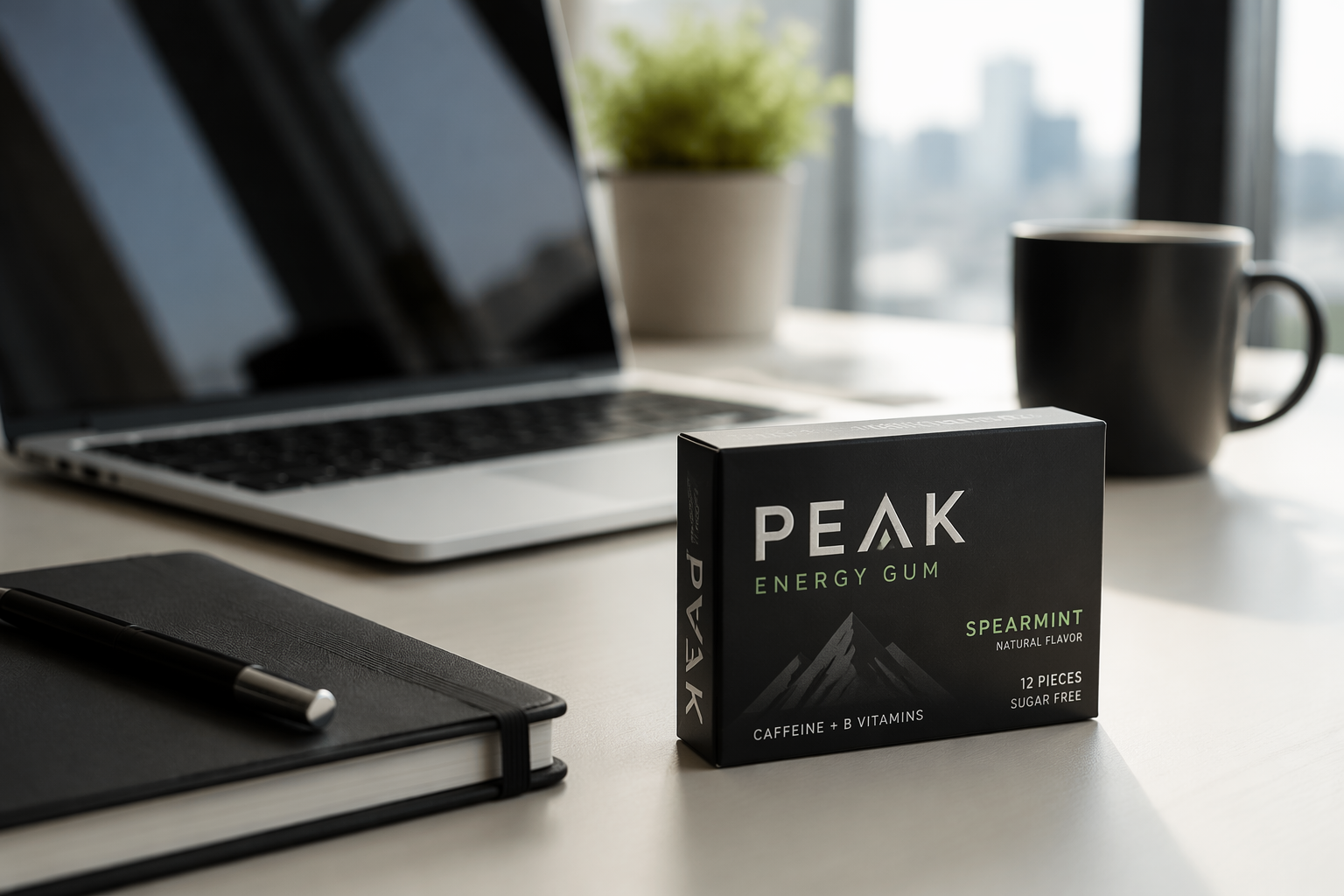
Mint flavors — spearmint, peppermint, wintergreen, and cool mint blends — account for an estimated 60-70% of the energy gum category by volume. This dominance is not accidental. Mint serves multiple simultaneous functions in functional gum:
- Taste masking: Mint's strong, cooling character effectively masks the bitter notes of caffeine, B-vitamins, and botanical extracts. This is the single most important functional role of flavor in energy gum.
- Consumer expectation alignment: The chewing gum category has conditioned consumers to expect mint flavors. A mint energy gum feels like a "normal" chewing gum that happens to provide energy — lowering the psychological barrier to trial.
- Fresh breath secondary benefit: Mint energy gum delivers fresh breath as a complementary benefit, adding daily-use occasions (post-meal, pre-meeting) beyond the energy need state.
- Cooling sensation synergy: The cooling sensation of mint (driven by menthol and related compounds) creates a sensory signal that consumers associate with "activation" — reinforcing the energy positioning on a subconscious level.
Differentiation Opportunities Beyond Mint
While mint is the safe choice, brands seeking stronger differentiation are exploring flavor territories that break from convention:
- Citrus profiles (lemon, lime, grapefruit, yuzu): Bright, refreshing, and naturally associated with "energy" and "awake." Citrus flavors present moderate taste-masking challenges for caffeine bitterness — they work better with lower caffeine dosages or with green tea extract as the caffeine source (which has a more compatible flavor profile).
- Berry blends (mixed berry, blueberry, acai): Sweet, familiar, and broadly appealing, berry flavors offer strong consumer acceptance. The sweetness profile provides reasonable caffeine taste-masking, making berries a good option for mid-range caffeine dosages (50-70mg).
- Tropical fruit (mango, pineapple, passionfruit): Exotic, memorable, and strongly differentiated from the mint-dominated mainstream. Tropical flavors appeal particularly to Gen Z and millennial consumers seeking novelty. Taste-masking is challenging at higher caffeine levels.
- Hybrid profiles (mint + citrus, mint + berry): The most strategically interesting category. A spearmint-lime or peppermint-berry combination retains the taste-masking power of mint while introducing a distinctive flavor signature. This approach allows brands to be "familiar but different" — a powerful positioning for market entry.
The Flavor Development Process
Flavor development for energy gum typically follows an iterative process: (1) the manufacturer's flavorist creates 5-10 candidate flavor profiles based on your target positioning and active ingredient profile; (2) you receive flavor samples (often on unflavored gum base strips) and provide feedback; (3) the flavorist refines 2-3 top candidates; (4) final flavor formulations are tested on the actual production gum base with your active ingredients to verify compatibility; (5) shelf-life stability testing confirms the flavor holds up over the product's intended shelf life (typically 12-18 months for chewing gum). Budget 4-6 weeks for a thorough flavor development process.
5. Packaging Design and Brand Positioning
Packaging serves three critical functions for energy gum: product protection (moisture barrier, physical integrity), regulatory compliance (ingredient listing, caffeine warnings, nutrition facts), and brand communication (shelf presence, value proposition, quality signaling). Getting packaging right means balancing all three — and recognizing that the third function (brand communication) is what ultimately drives purchase decisions.
Packaging Format Options
| Format | Advantages | Considerations | Best For |
|---|---|---|---|
| Blister Pack (10-12 pieces) | Individual piece protection, professional functional aesthetic, excellent moisture barrier, precise piece counting | Higher per-unit packaging cost, more packaging waste, less pocket-friendly than a slim pack | Pharmacy channel, premium positioning, functional/performance brands |
| Slim Pack / Envelope (8-15 pieces) | Compact, pocket-friendly, familiar gum-pack format, lower packaging cost, good for EDC (everyday carry) | Pieces may stick together in heat, less individual piece protection, requires inner wrapper for moisture barrier | Convenience store, e-commerce, lifestyle/active brands |
| Resealable Pouch (20-50 pieces) | Value positioning, multiple servings, resealable convenience, lower packaging cost per piece | Bulkier, less premium perception, opened product is exposed to air and humidity | Value/multi-pack, bulk e-commerce, subscription model |
| Tin / Rigid Container (15-30 pieces) | Premium tactile experience, reusable, strong brand presence on desk/shelf, excellent product protection | Highest packaging cost, heavier shipping weight, larger footprint | Premium/lifestyle, gift, subscription "first box" |
Blister packs are the most common format for functional energy gum, and for good reason: they communicate a professional, effective, "real supplement" positioning that differentiates energy gum from conventional confectionery gum. Slim packs and tins, by contrast, lean into the lifestyle/active aesthetic and may appeal more to younger consumers who want their energy gum to feel like a cool accessory rather than a conventional supplement.
Labeling Requirements
Energy gum sits at the intersection of confectionery and functional food regulation, which means labeling requirements are more demanding than for conventional chewing gum. Key requirements (varying by market):
- Caffeine content declaration: Most markets require prominent declaration of caffeine content per piece and per package. Some (like the EU) require a warning statement for products exceeding 150mg of caffeine per liter equivalent. For gum, the per-piece declaration is the standard approach.
- "Not recommended for children, pregnant or nursing women" warning: Standard for caffeinated products across most regulatory jurisdictions.
- Nutrition facts panel: Required in standardized format per target market regulations (FDA format for U.S., EFSA format for EU, etc.).
- Ingredient list: Full ingredient declaration in descending order of predominance, including all active ingredients, flavoring agents, sweeteners, and gum base components.
- Allergen declarations: Soy lecithin is a common gum ingredient and requires allergen labeling in many markets.
6. Finding the Right Manufacturing Partner
The manufacturing partner you choose will determine your product's quality, consistency, regulatory compliance, and scalability. This is the single most consequential decision in the private label journey, and it warrants thorough evaluation against multiple criteria — not just price.
Must-Have Certifications
Certifications are the foundation of manufacturing partner evaluation — without them, everything else is irrelevant:
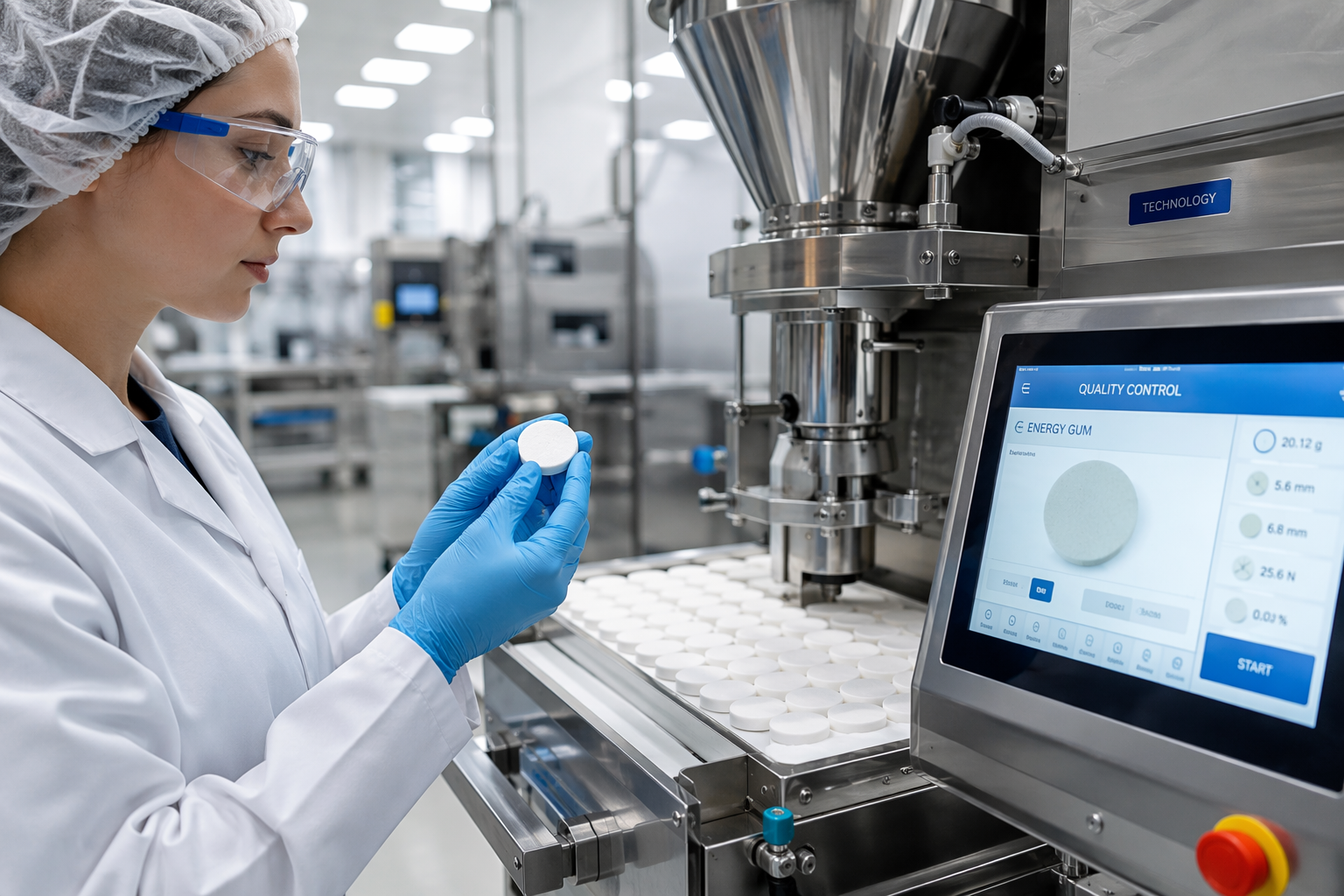
- GMP (Good Manufacturing Practice): The universal baseline for supplement and functional food manufacturing. Verifies that the facility maintains documented, audited quality management systems covering every aspect of production, from raw material receiving to finished product release. Ask for the specific GMP certificate and verify its validity.
- ISO 22000 or FSSC 22000: Food safety management system certifications that build on GMP with additional requirements for hazard analysis, traceability, and continuous improvement. ISO 22000 certification signals a more rigorous quality culture than GMP alone.
- HACCP (Hazard Analysis Critical Control Points): A systematic preventive approach to food safety that identifies, evaluates, and controls hazards throughout the production process. Essential for any food product manufacturer.
- FDA Registration: Required for products entering the U.S. market. The manufacturer must be registered with the U.S. FDA as a food facility, and must comply with U.S. food labeling and facility registration requirements.
- Halal / Kosher Certification: Depending on your target markets and consumer segments, these certifications can significantly expand your addressable audience.
Gum-Specific Manufacturing Expertise
General GMP certification is necessary but not sufficient. Energy gum manufacturing involves specialized processes that a general supplement manufacturer may not have experience with:
- Gum base mixing and extrusion: Different from powder blending or encapsulation. Requires specialized equipment and process knowledge. Ask the manufacturer specifically about their gum base mixing capacity and the types of gum bases they work with.
- Active ingredient incorporation: Adding caffeine and other functional compounds to gum base is not simply a matter of mixing — it requires understanding of how the active interacts with the gum matrix, how it releases during chewing, and how it affects texture and shelf stability.
- Coating and polishing: Many energy gum products use a coated pellet format, which requires pan coating equipment and expertise in applying functional coatings that do not interfere with active ingredient release.
- Blister packaging: If you choose blister packaging, ensure the manufacturer has in-house blister packaging capability. Subcontracting packaging adds cost, complexity, and quality risk.
Evaluating manufacturers for your energy gum line? Ahualyn's OEM/ODM services include GMP-certified production, specialized gum manufacturing expertise, in-house flavor R&D, and full packaging support. Contact us to discuss your requirements and request facility qualification documentation.
Request Info →Questions to Ask a Potential Manufacturer
When engaging with potential manufacturing partners, the following questions will help you separate capable specialists from generalists who happen to offer gum:
- "Can you walk me through your gum base sourcing and quality verification process?"
- "What is your experience with incorporating caffeine at my target dosage into gum? Can you share stability data?"
- "How do you approach taste-masking for bitter actives like caffeine and B-vitamins in gum applications?"
- "What packaging formats do you offer in-house, and which require subcontracting?"
- "Can you provide references from existing energy gum or functional gum clients?"
- "What is your typical timeline from formula approval to first production run?"
- "What quality testing do you perform on each production batch — and what documentation do you provide?"
- "How do you handle raw material traceability and chain of custody documentation?"
7. Quality, Compliance, and Regulatory Considerations
The regulatory landscape for caffeinated functional foods is evolving, and energy gum occupies a regulatory gray zone in some markets — is it a confectionery product, a dietary supplement, or a functional food? The answer varies by jurisdiction and has significant implications for your labeling, claims, and market access strategy.
Regulatory Classification by Market
- United States (FDA): Energy gum is generally regulated as a conventional food (not a dietary supplement) by the FDA, unless it is specifically marketed as a supplement. This classification means that product claims must be structured as structure/function claims for foods, and the product must comply with food labeling regulations (21 CFR 101). Caffeine added to food must be declared as an ingredient, and the FDA has issued guidance recommending against the sale of pure or highly concentrated caffeine in bulk to consumers.
- European Union (EFSA): Energy gum containing caffeine falls under the EU's food law framework, with specific provisions under Regulation (EU) No. 1169/2011 on food information to consumers. Products containing added caffeine at levels above 150mg/L (pro-rated for solid foods) must carry the warning "High caffeine content. Not recommended for children or pregnant or breast-feeding women." Novel food regulations may apply if the gum uses non-traditional functional ingredients.
- Asia-Pacific: Regulations vary significantly by country. Japan's Food Sanitation Act and Foods with Function Claims (FFC) system offer a framework for functional gum products. China regulates functional chewing gum under its health food and general food regulations, with strict requirements for functional claims and ingredient approvals. Southeast Asian markets generally follow Codex Alimentarius guidelines with varying national requirements.
Quality Testing That Protects Your Brand
Beyond regulatory compliance, a comprehensive quality testing program protects your brand from the most expensive problem in the supplement industry: a product quality failure that reaches consumers:
- Caffeine content verification (per piece): Every production batch should be tested to verify that caffeine content per piece falls within specification. Over-delivery creates regulatory risk; under-delivery creates consumer disappointment. A typical specification is ±10% of label claim.
- Active ingredient release testing: Simulated chewing tests (using dissolution apparatus that mimics oral chewing conditions) should verify that the active ingredients release at the expected rate and to the expected extent within the target chewing duration (typically 10-15 minutes).
- Microbial testing: Standard food safety testing for total plate count, yeast and mold, coliforms, E. coli, and Salmonella per batch.
- Heavy metal testing: Particularly important for botanical-sourced caffeine (guarana, green tea, yerba mate) which may concentrate heavy metals from soil. Testing for lead, arsenic, cadmium, and mercury should be conducted on each lot of botanical raw materials and periodically on finished products.
- Stability testing: Both accelerated (elevated temperature and humidity) and real-time stability studies should verify that the gum maintains its caffeine content, flavor profile, texture, and microbial safety throughout the labeled shelf life. Chewing gum is hygroscopic and can absorb moisture over time, which affects texture and active ingredient stability.
The Cost of Skipping Quality Testing
The expense of comprehensive quality testing — typically $500-$2,000 per batch depending on the test panel — pales in comparison to the cost of a product recall or consumer safety incident. A single product quality incident can destroy years of brand building and result in Amazon listing suspension, retailer delisting, regulatory enforcement action, and consumer lawsuits. For energy gum specifically, caffeine content accuracy is the highest-risk parameter: a batch that exceeds the labeled caffeine content creates a consumer safety issue, while a batch that falls short creates an efficacy issue that drives negative reviews and eroded repeat purchases.
8. Pricing, MOQs, and Launch Strategy
With the formulation, flavor, packaging, and manufacturing strategy in place, the final step is translating all of those decisions into a viable business: pricing your product for sustainable margins, managing minimum order quantities, and executing a launch that builds momentum.
Understanding Your Cost Structure
The unit economics of private label energy gum are driven by several variables, and understanding the cost drivers helps you make informed trade-offs:
| Cost Driver | Impact on Unit Cost | Optimization Strategy |
|---|---|---|
| Caffeine source | Synthetic: baseline. Green tea: +15-30%. Guarana: +20-40%. Yerba mate: +25-50%. | Start with synthetic or green tea for market entry; upgrade to premium sources for line extensions. |
| Gum base type | Conventional: baseline. Chicle/natural: +30-50%. Functional engineered base: +20-40%. | Conventional base for most applications; reserve premium bases for a "pro" or "natural" SKU. |
| Pieces per pack | Packaging cost per piece decreases significantly with more pieces per pack, but total per-unit cost increases. | 10-12 pieces is the functional gum sweet spot — enough for a meaningful trial period, compact enough for pocket carry. |
| Packaging format | Slim pack: baseline. Blister: +20-40%. Tin: +50-100%. | Blister for pharmacy/premium; slim pack for e-commerce/active lifestyle; tin for subscription "first box" or gift. |
| Order volume (MOQ) | Significant volume discounts at 20,000+, 50,000+, and 100,000+ pack thresholds. | Negotiate tiered pricing with a path to lower costs as volume scales. |
Typical Consumer Price Points
Energy gum retail pricing varies by market, channel, and positioning, but the following ranges represent current market norms:
- Value tier: $2.99-$4.99 per pack (10-12 pieces). Mass market, convenience store, high-volume e-commerce.
- Mid tier: $5.99-$8.99 per pack (10-12 pieces). Branded e-commerce, specialty retail, Amazon.
- Premium tier: $9.99-$14.99 per pack (10-12 pieces) or subscription-priced at $19.99-$29.99/month for multi-pack. DTC subscription, premium retail, specialty channels.
For a viable private label business, target a landed cost (product + packaging + shipping + duties) that is no more than 20-25% of your retail price for e-commerce, or 15-20% for wholesale distribution. This leaves adequate margin for marketing, fulfillment, platform fees, and profit.
Launch Strategy Checklist
A structured launch approach maximizes the probability of a successful market entry:
- Pre-launch (Months 1-2): Finalize formulation with manufacturer. Complete packaging design and regulatory review. Produce samples for photography, influencer seeding, and early feedback.
- Soft launch (Month 3): List on one primary sales channel (Amazon or DTC site). Seed 20-50 units to targeted reviewers/influencers in your niche. Collect initial reviews and customer feedback. Monitor for any quality or packaging issues.
- Optimization (Month 4): Incorporate feedback into listing optimization, ad creative, and (if needed) packaging improvements. Scale ad spend on channels showing positive ROAS. Consider a limited-time introductory offer to build velocity.
- Scale (Months 5-6): Expand to additional sales channels. Launch subscription option if not already live. Begin planning first flavor extension or complementary product to build the product line.
Ready to launch your energy gum brand? Contact Ahualyn to discuss your project. We provide formulation consultation, flexible MOQ options, full packaging support, and guidance through every stage of the private label journey — from concept to market-ready product.
Get Started →9. Frequently Asked Questions
What is private label energy gum and how does it work?
Private label energy gum is functional chewing gum manufactured by a contract manufacturer but sold under your brand name. The manufacturer handles formulation, production, and quality control while you focus on branding, marketing, and distribution. Energy gum delivers caffeine and other functional ingredients through buccal absorption in the mouth, providing faster onset than capsules or beverages since the active compounds bypass the digestive system and enter the bloodstream directly through the oral mucosa. Research shows caffeine from gum reaches peak plasma levels approximately twice as fast as from capsules.
How much caffeine should be in each piece of energy gum?
The most common caffeine dosage per piece of energy gum ranges from 40mg to 100mg, with 50-80mg being the sweet spot for most brands. For reference, a standard cup of coffee contains approximately 95mg of caffeine. Many brands opt for 50-60mg per piece, which allows consumers to customize their intake — one piece for a light boost, two for full alertness. It is important to include clear labeling of caffeine content per piece and a recommended daily maximum. Regulatory bodies in different markets have specific caffeine labeling requirements — your manufacturer should advise on compliance for your target markets.
What is the typical minimum order quantity for private label energy gum?
MOQs for private label energy gum typically range from 5,000 to 50,000 packs depending on the manufacturer and level of customization. Standard formulations with existing gum bases may start at 5,000-10,000 packs, while fully custom formulations (new flavor profiles, unique active blends, custom gum base) may require 20,000-50,000 packs. Ahualyn offers flexible starter programs with lower MOQs for brands entering the market. Lead times typically range from 6-12 weeks depending on formulation complexity and packaging requirements. Contact us to discuss your specific requirements.
What functional ingredients can be added to energy gum besides caffeine?
Beyond caffeine, energy gum can incorporate a range of functional ingredients including L-theanine (50-100mg, for focused calm without jitters), B-vitamins (B6, B12 for energy metabolism support), taurine (100-500mg), guarana extract, green tea extract (natural caffeine source), ginseng, and nootropic blends. Each additional ingredient requires compatibility testing with the gum base to ensure stability, proper release kinetics, and acceptable taste. Multi-ingredient formulations are more complex to develop but offer stronger brand differentiation. See our article on the caffeine + L-theanine ratio for research evidence on this popular combination.
How long does it take to launch a private label energy gum brand?
A typical private label energy gum launch timeline ranges from 3 to 6 months from initial inquiry to market-ready product. The timeline breaks down as: formulation and sampling (4-6 weeks), packaging design and approval (3-4 weeks), production and quality testing (4-8 weeks), and shipping/fulfillment setup (2-4 weeks). Brands using pre-developed formulations can shorten this to 8-10 weeks, while fully custom formulations with novel ingredient combinations may extend to 5-6 months. Working with an experienced manufacturer like Ahualyn who offers both standard and custom options provides the flexibility to match your timeline to your budget and ambition.
What certifications should I look for in an energy gum manufacturer?
Key certifications to verify include GMP (Good Manufacturing Practice), ISO 22000 or FSSC 22000 (food safety management), HACCP (Hazard Analysis Critical Control Points), and FDA registration for products entering the U.S. market. For brands targeting specific consumer segments, Halal, Kosher, organic, non-GMO, or vegan certifications add value. Always request copies of current certificates and verify their validity directly with the issuing bodies. A manufacturer's willingness to provide transparent documentation is itself an indicator of their quality culture.


