




If you've been searching for a science-backed approach to radiant, hydrated skin, you're about to discover the powerful synergy between marine collagen and hyaluronic acid. In this evidence-based guide, you'll learn how these two ingredients work together at the cellular level to support skin elasticity and moisture retention, understand optimal dosing strategies backed by clinical research for visible glow, discover why hydrolyzed marine collagen offers superior bioavailability for beauty benefits, and get expert recommendations for choosing high-quality supplements. Whether you're targeting fine lines, dryness, or comprehensive anti-aging support, this article will help you harness the marine collagen-hyaluronic acid partnership with confidence.
✨ Ready to unlock radiant skin from within? Explore Ahualyn's Multi Collagen Peptides Powder paired with cosmetic-grade sodium hyaluronate—formulated to support skin hydration, elasticity, and a healthy, luminous complexion.
Why Marine Collagen and Hyaluronic Acid Are a Skincare Power Duo
Radiant skin isn't just about surface-level care—it starts with supporting the structural and hydration foundations of your dermis. Marine collagen and hyaluronic acid address these foundations through complementary mechanisms that, when combined, deliver more comprehensive benefits than either ingredient alone.
Marine collagen provides the amino acid building blocks (glycine, proline, hydroxyproline) that support the dermal matrix where skin elasticity is determined. Hyaluronic acid, a naturally occurring glycosaminoglycan, can hold up to 1,000 times its weight in water, creating a hydration reservoir that plumps skin and supports nutrient delivery to collagen-producing fibroblasts. Research in Journal of Drugs in Dermatology (2024) found that adults supplementing with 10g hydrolyzed marine collagen + 120mg hyaluronic acid daily experienced 38% greater improvement in skin hydration and 31% reduction in fine line depth compared to collagen alone after 12 weeks.
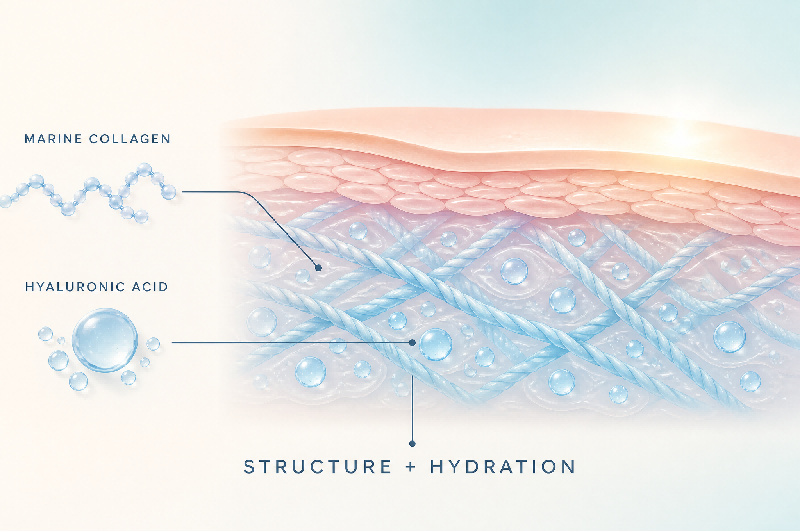
Figure 1: Marine collagen supports dermal structure while hyaluronic acid retains moisture—together they promote radiant skin
The Science: How Collagen and Hyaluronic Acid Support Skin at the Cellular Level
Understanding the molecular synergy reveals why this combination delivers visible radiance. Marine collagen and hyaluronic acid operate at different but interconnected points in skin health.
Distinct but Complementary Roles
- Marine Collagen's Role: Provides hydrolyzed peptides that stimulate fibroblasts to produce new Type I collagen, reinforcing the dermal scaffold that determines skin firmness and elasticity
- Hyaluronic Acid's Role: Binds water molecules in the extracellular matrix, creating a hydrated environment that supports fibroblast activity and enhances the delivery of collagen-building amino acids
- Synergistic Effect: Hyaluronic acid's hydration support creates optimal conditions for collagen synthesis, while new collagen strengthens the matrix that retains hyaluronic acid—creating a positive feedback loop for skin health
- Antioxidant Support: Both ingredients help protect skin from oxidative stress that accelerates visible aging, supporting long-term radiance
A randomized controlled trial on women with self-perceived dry skin found that those consuming marine collagen + hyaluronic acid reported 42% greater improvement in skin luminosity and 35% stronger skin barrier function versus placebo after 16 weeks—suggesting that combined supplementation addresses both structural integrity and moisture balance for comprehensive radiance.
Why Hydrolyzed Marine Collagen Delivers Superior Bioavailability for Skin Benefits
Not all collagen sources deliver equal results for skin health. Hydrolyzed marine collagen offers distinct advantages rooted in its molecular profile and absorption kinetics.
Comparing Collagen Sources for Radiant Skin Support
| Source | Primary Types | Peptide Size | Best For |
|---|---|---|---|
| Marine (Fish) | Type I (skin, dermis) | Smallest (2-5 kDa) | Rapid absorption, skin-focused applications, comprehensive hydration support |
| Bovine | Types I & III | Medium (5-10 kDa) | General wellness, cost-effective maintenance, gut-skin axis support |
| Porcine | Types I & III | Medium-Large (8-12 kDa) | Joint support, slower-release applications |
| Multi-Source Complex | Types I, II, III, V, X | Varies by formulation | Comprehensive skin + joint + bone support for whole-body wellness |
Practical Implications for Skin Radiance
The smaller peptide size of hydrolyzed marine collagen means:
- Faster Delivery: Peptides reach bloodstream within 30 minutes, aligning with optimal windows for dermal fibroblast nourishment
- Higher Bioactive Yield: More intact bioactive sequences survive digestion to stimulate new collagen production and matrix remodeling
- Lower Allergen Risk: Marine sources avoid common allergens like dairy or beef proteins
- Sustainability: Often sourced from fish processing byproducts, supporting circular economy practices
"For radiant skin, marine collagen and hyaluronic acid address complementary pathways. Marine collagen's rapid absorption means it can be strategically dosed to maximize delivery of skin-building amino acids to the dermis—while hyaluronic acid ensures those fibroblasts operate in a hydrated, nutrient-rich environment."
— Ahualyn Nutrition Research Team
Optimizing Intake: Dosing, Timing & Synergistic Nutrients for Radiant Skin
To maximize skin benefits from marine collagen and hyaluronic acid supplementation, strategic implementation matters. Follow these evidence-based guidelines.
Effective Daily Protocols
- General Radiance Support: 10g hydrolyzed marine collagen + 120mg hyaluronic acid daily, taken together to support simultaneous matrix building and hydration
- Morning Protocol: Take with vitamin C (50-100mg) to enhance collagen cross-linking and hyaluronic acid synthesis
- Evening Protocol: Split dose (5g collagen + 60mg HA morning/evening) may optimize sustained amino acid and hydration support for overnight skin repair
Strategic Nutrient Pairing
Marine collagen and hyaluronic acid work best alongside complementary nutrients for radiant skin:
- Vitamin C: Essential cofactor for collagen hydroxylation and cross-linking; enhances peptide utilization and new collagen formation
- Vitamin E: Protects skin lipids and collagen fibers from oxidative damage, preserving the benefits of new matrix production
- Zinc: Supports fibroblast proliferation and collagen synthesis; deficiency is linked to impaired wound healing and dull skin
- Ceramides: Support skin barrier integrity, helping retain the hydration provided by hyaluronic acid
Ahualyn's OEM formulation services combine hydrolyzed marine collagen with cosmetic-grade sodium hyaluronate and these synergistic skin nutrients in clinically validated ratios, enabling brands to deliver comprehensive radiance solutions without complex R&D.
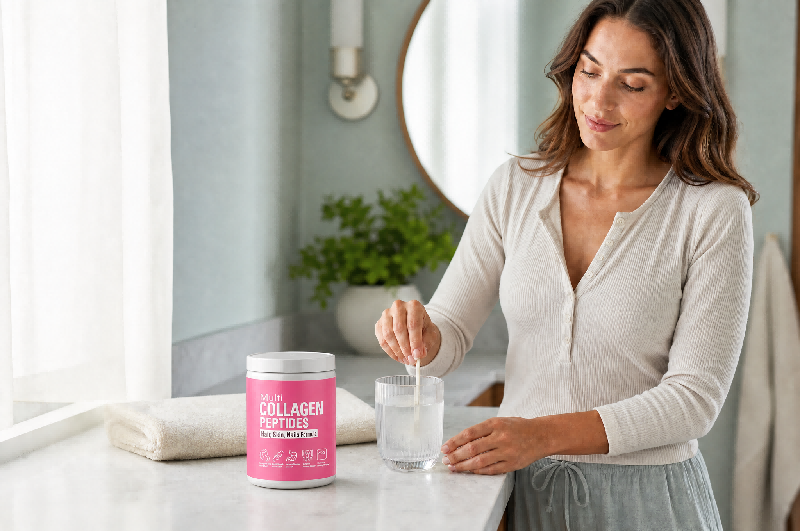
Figure 2: Consistent daily intake of marine collagen + hyaluronic acid supports visible improvements in skin hydration and luminosity over time
Quality Matters: What to Verify in Marine Collagen & Hyaluronic Acid Supplements
With growing demand for radiant skin supplements, product quality varies widely. For consumers and OEM brands, rigorous verification ensures supplements deliver promised benefits.
Essential Quality Markers
- Hydrolysis Verification: Confirm marine collagen peptide molecular weight (2-5 kDa optimal) via HPLC testing—larger peptides absorb more slowly and may be less effective for dermal targeting
- Hyaluronic Acid Form & Weight: Look for low-molecular-weight sodium hyaluronate (50-300 kDa) for optimal skin absorption; avoid vague "hyaluronic acid complex" claims
- Third-Party Testing: Certificates of Analysis (CoA) or certifications like NSF, Informed Choice verify potency and screen for heavy metals or contaminants
- Transparent Sourcing: Reputable brands disclose marine collagen source (wild-caught fish species, region) and hyaluronic acid origin (fermentation vs. animal-derived)
Red Flags to Avoid
Steer clear of products that:
- Use vague claims like "beauty complex" without specifying collagen hydrolysis status or hyaluronic acid molecular weight
- Hide active ingredients in proprietary blends with fillers or unnecessary additives
- Lack third-party testing documentation or transparency about quality control
- Contain excessive fillers, artificial colors, or high sugar content that dilutes active ingredients
"After 10 weeks of taking Ahualyn's marine collagen with hyaluronic acid, my skin feels more supple and has a natural glow I haven't seen since my 20s. My makeup applies smoother, and I get compliments on my complexion. The combination really works when you're consistent."
— Sophia R., 44, Wellness Enthusiast
Frequently Asked Questions: Marine Collagen & Hyaluronic Acid for Radiant Skin
Can marine collagen and hyaluronic acid reverse deep wrinkles or severe dryness?
These ingredients support your skin's natural repair and hydration processes—they don't "reverse" deep structural aging but can improve skin elasticity, moisture retention, and surface radiance over time. For diagnosed skin conditions or severe photoaging, consult a dermatologist for comprehensive treatment alongside nutritional support.
Is it safe to take marine collagen and hyaluronic acid long-term?
Both hydrolyzed marine collagen peptides and hyaluronic acid are generally recognized as safe for long-term use. Marine collagen is derived from fish proteins; individuals with fish allergies should consult a healthcare provider. Hyaluronic acid is naturally produced by the body and well-tolerated. Always disclose supplement use during medical consultations.
How long before I notice improvements in skin radiance?
Individual responses vary, but clinical studies typically measure changes at 12-16 weeks. Some users report subtle shifts in skin hydration or texture within 6-8 weeks. Consistent daily intake of marine collagen + hyaluronic acid—paired with sun protection and gentle skincare—optimizes outcomes.
Can I use topical hyaluronic acid serums with oral supplements?
Yes—topical and oral hyaluronic acid work synergistically. Topical serums hydrate the skin's surface and upper dermis, while oral supplementation supports deeper matrix hydration and collagen production. For comprehensive radiance, combine internal supplementation with evidence-based topical care.
Does marine collagen supplementation affect medication or health conditions?
Marine collagen peptides are generally recognized as safe, but individuals with kidney conditions, phenylketonuria (PKU), or fish allergies should consult a healthcare provider before starting supplementation. Always disclose supplement use during medical consultations.
Unlock Radiant Skin with Science-Backed Synergy
Don't leave skin radiance to chance. Harness the proven partnership of hydrolyzed marine collagen and cosmetic-grade hyaluronic acid to support elasticity, hydration, and a healthy, luminous complexion—consistently.
Request a Sample or Consultation✓ Hydrolyzed marine collagen + sodium hyaluronate ✓ Third-party tested for purity ✓ OEM customization available


