




If you've seen collagen gummies on social media or store shelves and wondered whether they actually work—or if your body can truly absorb collagen from a chewable format—you're asking the right question. In this science-deep dive, you'll discover how hydrolyzed collagen peptides are processed by your digestive system regardless of delivery format, understand the critical difference between collagen types and molecular weight for bioavailability, learn what to look for when evaluating gummy supplements for efficacy, and get expert guidance on choosing products that deliver real results. Whether you prefer gummies for convenience or powders for flexibility, this article will help you make an informed decision based on evidence, not marketing.
🔬 Want science-backed collagen that fits your lifestyle? Explore Ahualyn's Multi Collagen Peptides Powder—hydrolyzed for rapid absorption, unflavored for versatility, and third-party tested for purity and potency.
The Short Answer: Yes, But Format and Formulation Matter
Your body can absorb collagen from gummies—if the product contains hydrolyzed collagen peptides of appropriate molecular weight. The key isn't whether collagen comes in a gummy, powder, or capsule; it's whether the collagen has been enzymatically broken down into small, bioavailable peptides (typically 2-5 kDa) that your intestines can efficiently absorb.
Research in Nutrients (2024) confirms that hydrolyzed collagen peptides, regardless of delivery format, appear in the bloodstream within 30-60 minutes of ingestion and can stimulate collagen synthesis in skin, joints, and connective tissues. However, not all gummy products use hydrolyzed peptides—and some contain collagen in forms too large for effective absorption. Understanding the difference between marketing claims and biochemical reality is essential for choosing products that work.
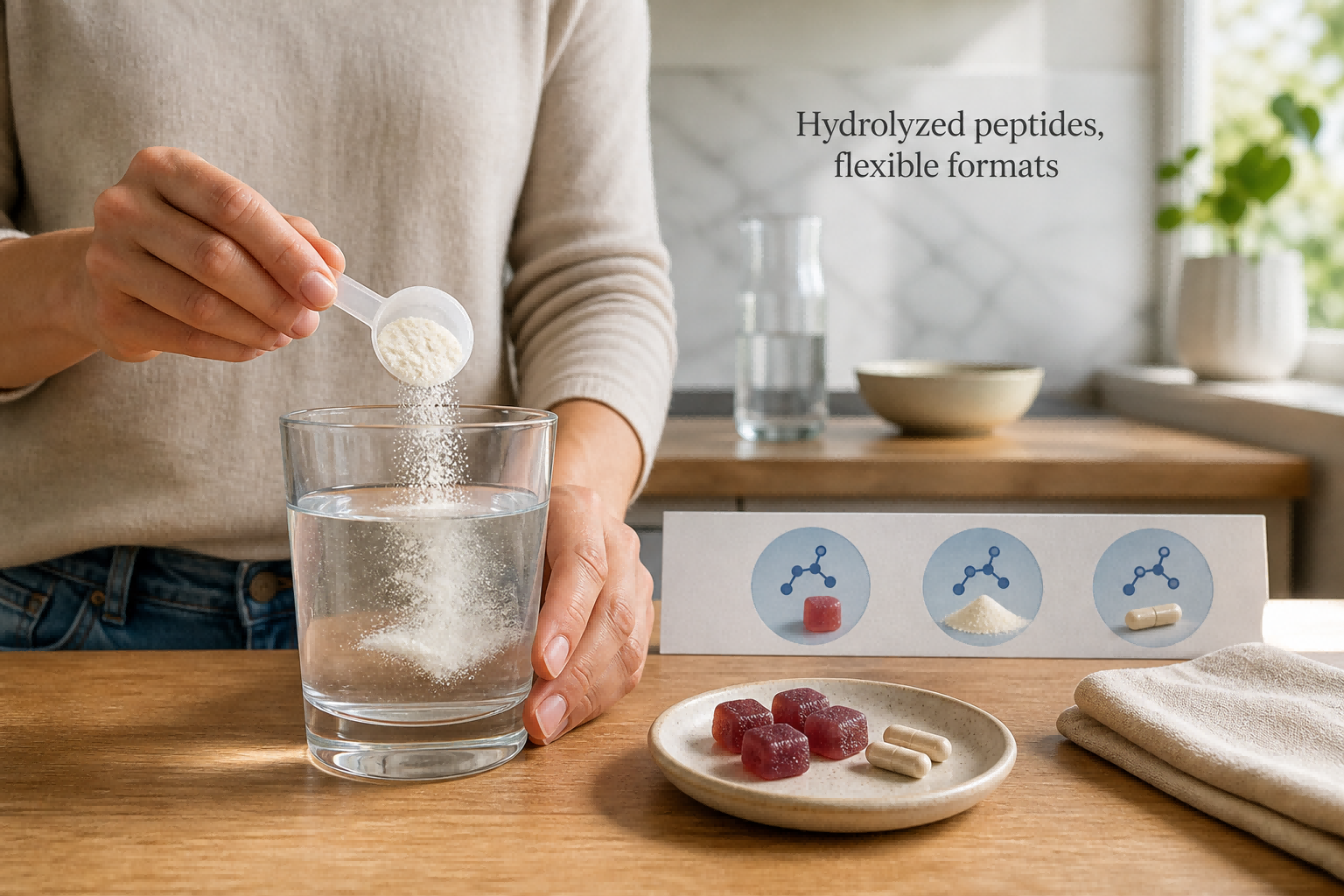
Figure 1: Hydrolyzed collagen peptides absorb efficiently regardless of format—when properly formulated
How Collagen Absorption Works: The Biochemistry Simplified
Collagen is a large, triple-helix protein that your body cannot absorb intact. For collagen to be bioavailable, it must first be hydrolyzed—broken down by enzymes into short-chain peptides (typically 2-10 amino acids long). These small peptides can then cross the intestinal barrier via specific transporters and enter circulation.
Key Steps in Collagen Peptide Absorption
- Hydrolysis: Enzymatic processing breaks native collagen into small, water-soluble peptides
- Gastric Transit: Peptides resist further breakdown in the stomach due to their stable structure
- Intestinal Uptake: Specific peptide transporters (like PEPT1) shuttle di- and tri-peptides into enterocytes
- Systemic Distribution: Absorbed peptides reach bloodstream and can stimulate fibroblasts, chondrocytes, and other collagen-producing cells
A pharmacokinetic study using radiolabeled collagen peptides found that hydrolyzed marine collagen reached peak plasma concentration within 45 minutes, with bioactive fragments detected for up to 6 hours. Critically, the study used hydrolyzed peptides—not intact collagen—highlighting why molecular weight matters more than delivery format.
Gummies vs. Powders: What Actually Affects Bioavailability
The format itself (gummy vs. powder) has minimal impact on collagen absorption—if both contain properly hydrolyzed peptides. However, formulation choices common in gummy production can influence efficacy.
Factors That Can Compromise Gummy Efficacy
| Factor | Why It Matters | How to Verify |
|---|---|---|
| Peptide Molecular Weight | Peptides >10 kDa absorb poorly; optimal range is 2-5 kDa | Look for "hydrolyzed collagen peptides" + molecular weight data on label or website |
| Heat Exposure During Manufacturing | Excessive heat can degrade peptide structure or cause Maillard reactions | Ask brand about processing temperatures; reputable manufacturers use low-heat methods |
| Added Sugars & Fillers | High sugar content may dilute active collagen dose per serving | Check Supplement Facts: collagen should be a top ingredient, not buried in a blend |
| pH Stability | Highly acidic gummy matrices may affect peptide integrity over shelf life | Choose brands with stability testing data or third-party verification |
When Gummies Can Be a Smart Choice
Well-formulated collagen gummies offer real advantages for specific users:
- Convenience & Adherence: No mixing required; ideal for travel, busy schedules, or those who dislike powders
- Taste Preference: Fruit flavors can make daily supplementation enjoyable, improving long-term consistency
- Portion Control: Pre-measured gummies eliminate dosing guesswork
- Child-Friendly Options: For families seeking collagen support for teens (with pediatric guidance)
"Bioavailability depends on peptide size and stability—not whether collagen is in a gummy, powder, or liquid. The critical question isn't 'gummy vs. powder' but 'is this product using properly hydrolyzed, verified peptides?'"
— Ahualyn Nutrition Research Team
How to Evaluate Collagen Gummies for Real Efficacy
Not all collagen gummies are created equal. Use this checklist to identify products likely to deliver benefits.
Essential Verification Checklist
- Hydrolyzed Collagen Peptides Listed: Ingredient panel should specify "hydrolyzed collagen peptides" or "collagen hydrolysate"—not just "collagen"
- Peptide Amount Disclosed: Avoid proprietary blends; look for exact mg of collagen peptides per serving (ideally 2.5-5g per gummy)
- Third-Party Testing: Certificates of Analysis (CoA) or certifications like NSF, Informed Choice verify potency and screen for contaminants
- Minimal Added Sugars: Choose gummies with ≤3g added sugar per serving to avoid diluting active dose
- Transparent Sourcing: Reputable brands disclose collagen source (marine, bovine, etc.) and processing methods
Red Flags to Avoid
Steer clear of products that:
- Use vague terms like "collagen complex" without specifying hydrolysis or molecular weight
- Hide collagen amount in a "proprietary blend" with other ingredients
- Contain excessive fillers, artificial colors, or high sugar content that dilutes active ingredients
- Lack third-party testing documentation or transparency about quality control
Ahualyn's OEM formulation services prioritize hydrolyzed collagen peptides with verified molecular weight, enabling brands to create gummies, powders, or capsules that deliver science-backed efficacy—without compromising on format flexibility.
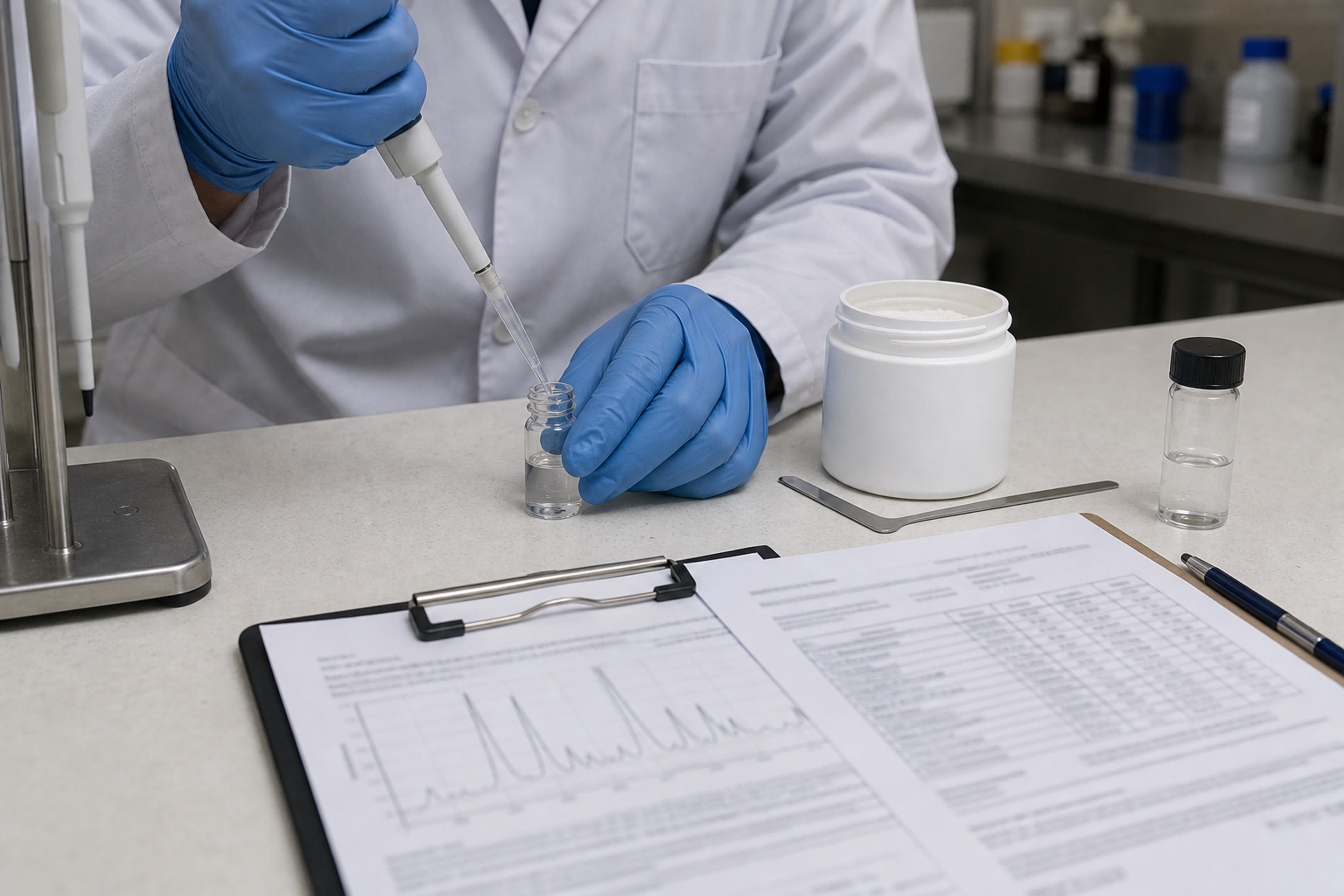
Figure 2: Verifying hydrolysis status and third-party testing helps ensure collagen supplements deliver real benefits
Real User Experiences: What People Report with Collagen Gummies
Clinical data validates hydrolyzed collagen efficacy, but real-world experiences reveal how format preferences impact adherence and results. Here's feedback from Ahualyn customers:
"I tried collagen powder but kept forgetting to mix it. Switching to gummies made daily intake effortless. After 3 months, my skin looks brighter and my nails are stronger—consistency really does make the difference."
"I keep Ahualyn's gummies in my gym bag and desk drawer. No shaker needed, no mess. My knees feel more comfortable after long walks, and I actually look forward to taking them. The convenience factor is huge for me."
"Ahualyn's hydrolyzed collagen platform let us create a gummy that actually works. Their stability data and bioavailability studies gave our team confidence to launch a product we could stand behind."
These testimonials highlight a consistent theme: format preferences drive adherence, but peptide quality drives results. When hydrolyzed collagen is delivered in a format you'll actually use consistently, benefits follow.
Frequently Asked Questions: Collagen Gummies & Absorption
Do collagen gummies work as well as powder for skin or joint benefits?
Yes—when both contain properly hydrolyzed collagen peptides of appropriate molecular weight (2-5 kDa). The active ingredient is identical; only the delivery format differs. Clinical studies on collagen efficacy use hydrolyzed peptides regardless of final product format. Choose the format you'll use consistently.
How much collagen should be in a gummy to be effective?
Most clinical studies use 10g daily of hydrolyzed collagen peptides. If a gummy contains 2.5g per piece, taking 4 gummies daily would align with research protocols. Always check the Supplement Facts panel for exact peptide amount per serving—not just "collagen" in a blend.
Can I take collagen gummies with other supplements?
Yes—collagen pairs well with vitamin C (enhances synthesis), hyaluronic acid (supports joint lubrication), and biotin (supports skin/hair/nails). Avoid taking with extremely acidic beverages for extended periods, as low pH may slightly affect peptide stability over time. When in doubt, consult a nutrition professional.
Are collagen gummies safe for children or teens?
Collagen peptides are generally recognized as safe, but supplementation for minors should be guided by a pediatrician or registered dietitian. Ahualyn's products are formulated for adult use; consult a healthcare provider before giving any supplement to children or adolescents.
How long before I notice benefits from collagen gummies?
Individual responses vary, but clinical studies typically measure changes at 8-12 weeks. Some users report subtle shifts in skin hydration or joint comfort within 4-6 weeks. Consistent daily intake of hydrolyzed peptides—regardless of format—is key to observing measurable benefits.
Choose Collagen Backed by Science, Not Just Convenience
Don't let format confusion compromise your results. Whether you prefer gummies for ease or powders for flexibility, prioritize hydrolyzed collagen peptides with verified bioavailability—and let consistent intake drive real benefits.
Request a Sample or Consultation


