














When people think about bone health, calcium gets nearly all the attention. Milk commercials. Supplement labels. Doctor's recommendations. The message has been consistent for decades: drink more milk, take more calcium, protect your bones.
But here's what the calcium-first narrative misses: calcium cannot do its job without magnesium. In fact, taking calcium without adequate magnesium may be worse than taking neither — unopposed calcium can deposit in soft tissues, contribute to arterial stiffness, and fail to incorporate into bone matrix where it's actually needed.
This guide explores magnesium's underappreciated role in skeletal health, drawing on clinical research, population studies, and practical supplementation strategies. Whether you're concerned about osteoporosis prevention, formulating a bone health supplement, or simply trying to make sense of conflicting nutrition advice, here's what the evidence actually says.
1. Why Magnesium Is the Overlooked Foundation of Bone Health
Bone is not a static structure. It's living tissue undergoing constant remodeling — old bone is resorbed by cells called osteoclasts, and new bone is formed by osteoblasts. This cycle, known as bone turnover, keeps the skeleton strong and responsive to mechanical stress.
Magnesium influences this process at multiple levels:
Structural Role
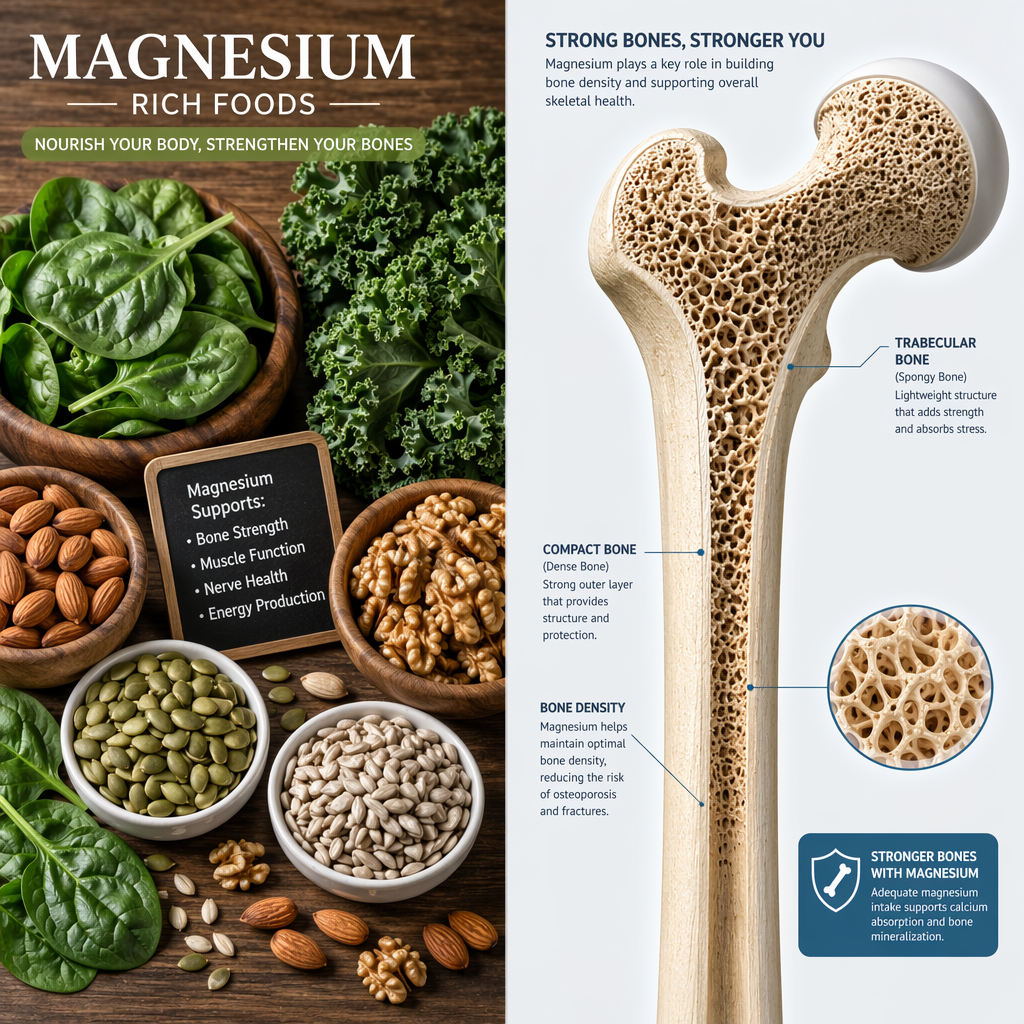
Approximately 60% of the body's total magnesium is stored in bone. Roughly one-third of that is on the surface of bone crystals, where it acts as a labile reservoir the body can draw upon during deficiency. The remaining two-thirds is integrated into the bone's hydroxyapatite crystal lattice, contributing directly to bone strength and microarchitecture.
Metabolic Role
Magnesium regulates both osteoblast activity (bone formation) and osteoclast activity (bone resorption). When magnesium is deficient:
- Osteoclast number and activity increase, accelerating bone breakdown beyond the rate of new formation.
- Osteoblast numbers decrease, reducing the body's capacity to rebuild bone matrix.
- PTH (parathyroid hormone) secretion becomes dysregulated, disrupting the hormonal signaling that controls bone calcium release.
Inflammatory Modulation
Chronic low-grade inflammation is a known driver of bone loss, particularly in postmenopausal women. Magnesium deficiency has been associated with elevated levels of inflammatory markers including C-reactive protein (CRP), interleukin-6 (IL-6), and tumor necrosis factor-alpha (TNF-α). Adequate magnesium intake may help moderate the inflammatory cascade that accelerates bone resorption.
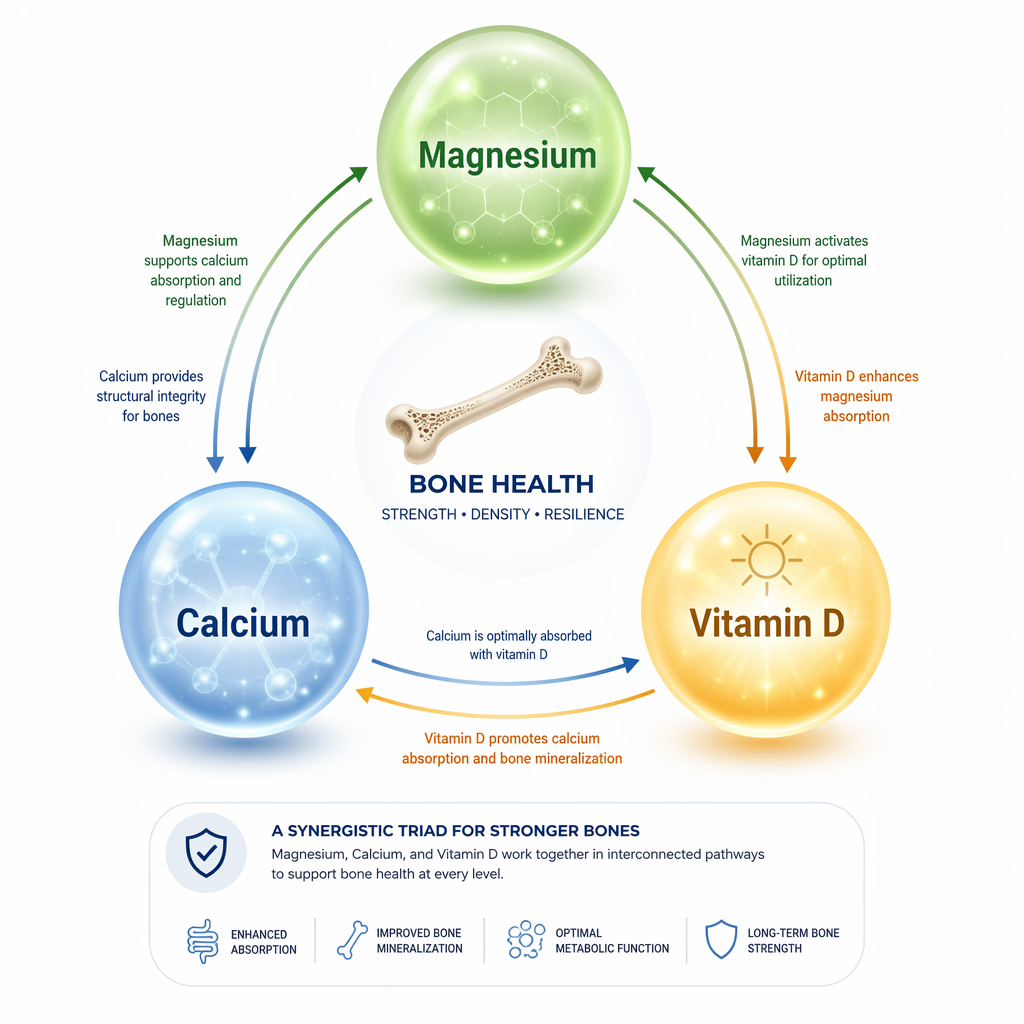
2. The Magnesium-Calcium-Vitamin D Triangle
Calcium, vitamin D, and magnesium form a tightly coupled metabolic triangle. Disrupt one corner, and the entire system underperforms.
How Magnesium Activates Vitamin D
Vitamin D metabolism depends on magnesium at virtually every step:
- Synthesis: The enzymes that convert vitamin D into its active form (25-hydroxylase in the liver and 1-α-hydroxylase in the kidneys) are magnesium-dependent. Without sufficient magnesium, vitamin D remains largely in its inactive storage form — abundant but unusable.
- Transport: Vitamin D binding protein (VDBP), which carries vitamin D metabolites through the bloodstream, requires magnesium for proper conformation and function.
- Receptor activation: Even at the cellular level, the vitamin D receptor (VDR) relies on magnesium for signal transduction.
The practical implication is significant: taking high-dose vitamin D3 without addressing magnesium status may not produce the expected benefits — and in some cases may even worsen magnesium deficiency by increasing the body's demand for magnesium-dependent activation pathways.
The Calcium-Magnesium Balance
Calcium and magnesium share a complex, competitive relationship. At the intestinal level, very high calcium intakes can impair magnesium absorption by competing for the same transport mechanisms. At the cellular level, magnesium acts as a natural calcium channel blocker, preventing excessive calcium influx into cells — including bone cells — where it can disrupt normal function.
This is why the 2:1 calcium-to-magnesium ratio has become a common formulation target: it reflects the approximate physiological ratio of these minerals in the body and avoids the imbalance that occurs when calcium is supplemented in isolation.
Calcium Without Magnesium: A Potential Problem
Population studies have raised concerns about high-dose calcium supplementation (especially above 1,000 mg/day from supplements alone) in the absence of adequate magnesium. Excess unopposed calcium may contribute to vascular calcification, kidney stones, and paradoxically, fails to improve bone density outcomes. Balanced mineral formulations that include magnesium are increasingly viewed as the safer and more effective approach.
3. What the Clinical Research Shows
The link between magnesium and bone health is supported by multiple lines of evidence: cross-sectional population studies, prospective cohort studies, and mechanistic research. Here are the key findings:
Population Studies: Magnesium Intake and Bone Density
Design: Cross-sectional analysis of 3,243 postmenopausal women in the Women's Health Initiative Observational Study.
Key finding: Higher dietary magnesium intake was independently associated with significantly higher total-body and hip bone mineral density (BMD). Women in the highest quintile of magnesium intake had approximately 3% higher hip BMD compared to the lowest quintile — a clinically meaningful difference at the population level.
View on PubMed →
Design: Comprehensive review of animal and human studies on magnesium deficiency and bone metabolism.
Key finding: Magnesium deficiency is linked to reduced osteoblast activity, increased osteoclast number, and impaired PTH secretion — a triad of effects that together promote bone loss. Animal models demonstrate that magnesium depletion causes trabecular bone thinning, reduced bone volume, and decreased mechanical strength within weeks.
View on PubMed →
Design: Narrative review of magnesium's role in osteoporosis prevention and treatment.
Key finding: Epidemiological studies consistently link higher magnesium intake with greater BMD. Mechanistic evidence shows magnesium is essential for bone crystal formation, and deficiency increases skeletal fragility independently of other risk factors. The authors recommend that osteoporosis prevention strategies address magnesium status alongside calcium and vitamin D.
View on PubMed →
Magnesium Deficiency and Fracture Risk
Design: Prospective cohort study following 3,765 older adults for 8 years.
Key finding: Participants with the lowest serum magnesium levels had a 44% higher risk of fragility fractures compared to those in the highest tertile, after adjusting for BMI, calcium intake, vitamin D status, and physical activity. The association was particularly strong for hip fractures.
View on PubMed →
The takeaway: The evidence converges on a consistent message: magnesium is not a peripheral nutrient in bone health — it's a central player. Ignoring it while focusing exclusively on calcium and vitamin D is like building a house with bricks and blueprints but no mortar.
4. Choosing the Right Form of Magnesium
Not all magnesium supplements are equal. They differ in elemental magnesium content, bioavailability, gastrointestinal tolerability, and — importantly for bone health — their metabolic effects in the body.
| Form | Elemental Mg | Bioavailability | GI Tolerability | Best For |
|---|---|---|---|---|
| Magnesium Glycinate | ~14% | ★★★★★ | ★★★★★ Excellent | Long-term bone support, sleep quality |
| Magnesium Citrate | ~16% | ★★★★☆ | ★★★☆☆ Moderate (may loosen stools) | General supplementation, constipation relief |
| Magnesium Malate | ~15% | ★★★★☆ | ★★★★☆ Good | Bone + muscle + energy support |
| Magnesium Oxide | ~60% | ★★☆☆☆ Low | ★★☆☆☆ May cause GI upset | Budget option; less suitable for bone health |
| Magnesium Chloride | ~12% | ★★★★☆ | ★★★☆☆ Moderate | Topical use, short-term supplementation |
Why Glycinate Stands Out for Bone Health
Magnesium glycinate (magnesium bound to the amino acid glycine) offers several advantages for bone health supplementation:
- Superior absorption: The glycine chelate form is actively transported across the intestinal wall via dipeptide transporters, bypassing the competitive mineral absorption pathways that calcium can saturate.
- Minimal GI side effects: Unlike oxide and citrate, glycinate rarely causes diarrhea or stomach discomfort, making it suitable for daily, long-term use — which is essential for bone health.
- Glycine co-benefits: Glycine itself is a precursor to collagen, the protein matrix of bone. It also supports sleep quality, which is independently associated with better bone density through hormonal regulation (growth hormone is released primarily during deep sleep).
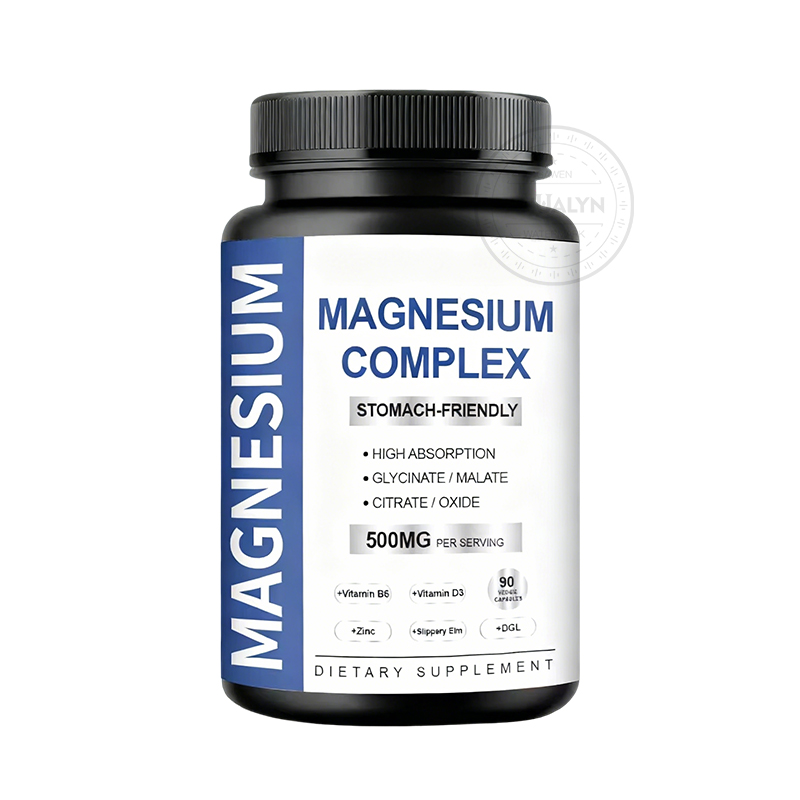
Magnesium Complex 500mg — Multi-Form Bone Support
- 500mg elemental magnesium per serving from glycinate, citrate, and malate
- Three-form complex for broad-spectrum absorption
- Non-GMO, gluten-free, third-party tested
- GMP-certified manufacturing
- Available in capsule format for precise daily dosing
5. How Much Magnesium You Actually Need
Recommended Dietary Allowances (RDAs) for magnesium vary by age, sex, and life stage. The figures below are from the U.S. National Institutes of Health (NIH) Office of Dietary Supplements:
| Population | Age | Male RDA | Female RDA |
|---|---|---|---|
| Adults | 19–30 | 400 mg/day | 310 mg/day |
| Adults | 31+ | 420 mg/day | 320 mg/day |
| Pregnancy | 19–30 | — | 350 mg/day |
| Pregnancy | 31+ | — | 360 mg/day |
| Postmenopausal women | 51+ | — | 320 mg/day |
Why the Gap Between RDA and Actual Intake Matters
Despite these relatively conservative targets, population surveys consistently find that 50–60% of adults fall short of the RDA. Several modern lifestyle factors compound this gap:
- Soil depletion: Modern agricultural practices have reduced the magnesium content of vegetables by an estimated 20–30% compared to mid-20th-century levels.
- Food processing: Refining grains removes 80–90% of the magnesium present in the whole grain. The shift toward processed foods in Western diets significantly reduces magnesium intake.
- Phytate interference: High-phytate foods (whole grains, legumes, nuts) are excellent magnesium sources — but phytates also chelate magnesium in the gut, reducing net absorption. Soaking, sprouting, and fermenting can mitigate this.
- Medications: Proton pump inhibitors (PPIs) for acid reflux, diuretics for blood pressure, and certain antibiotics all increase magnesium loss or reduce absorption.
- Age-related decline: Magnesium absorption efficiency decreases with age, while urinary excretion tends to increase — a double hit for older adults who need magnesium most for bone protection.
Formulating a bone health supplement? Ahualyn offers OEM/ODM services for capsule, tablet, gummy, and powder formats — with custom magnesium formulations backed by stability testing.
Talk to Our OEM Team →6. Dietary Sources vs. Supplementation
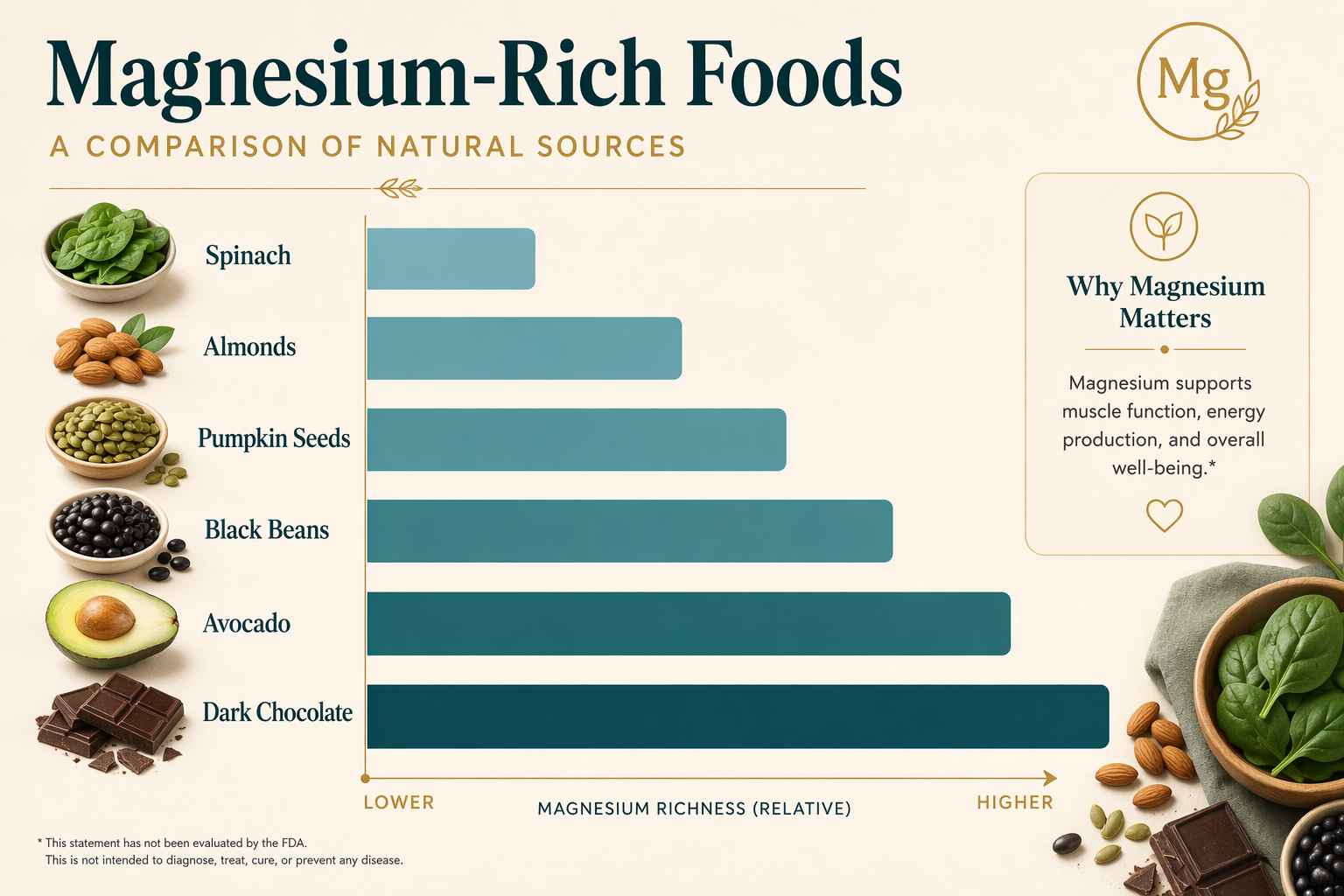
Top Dietary Sources of Magnesium
| Food | Serving Size | Magnesium (mg) | % of RDA (Adult Male) |
|---|---|---|---|
| Pumpkin seeds | 28g (1 oz) | 168 | 40% |
| Almonds, dry roasted | 28g (1 oz) | 80 | 19% |
| Spinach, boiled | 1/2 cup | 78 | 19% |
| Black beans, cooked | 1/2 cup | 60 | 14% |
| Edamame, shelled | 1/2 cup | 50 | 12% |
| Dark chocolate (70–85% cocoa) | 28g (1 oz) | 65 | 15% |
| Avocado | 1 medium | 58 | 14% |
| Salmon, cooked | 85g (3 oz) | 26 | 6% |
Food First, Supplement Smart
A magnesium-rich diet is the preferred foundation. Whole foods provide magnesium in a matrix of co-factors — fiber, polyphenols, and other minerals — that support its absorption and function. However, for anyone with elevated bone health risk (postmenopausal women, older adults, those on PPI medications), meeting the RDA through diet alone can be challenging.
In these cases, a well-formulated magnesium supplement — preferably a chelated form like glycinate or a multi-form complex — can bridge the gap safely. The key is consistency: bone remodeling occurs over months and years, so supplementation must be sustained to produce meaningful results.
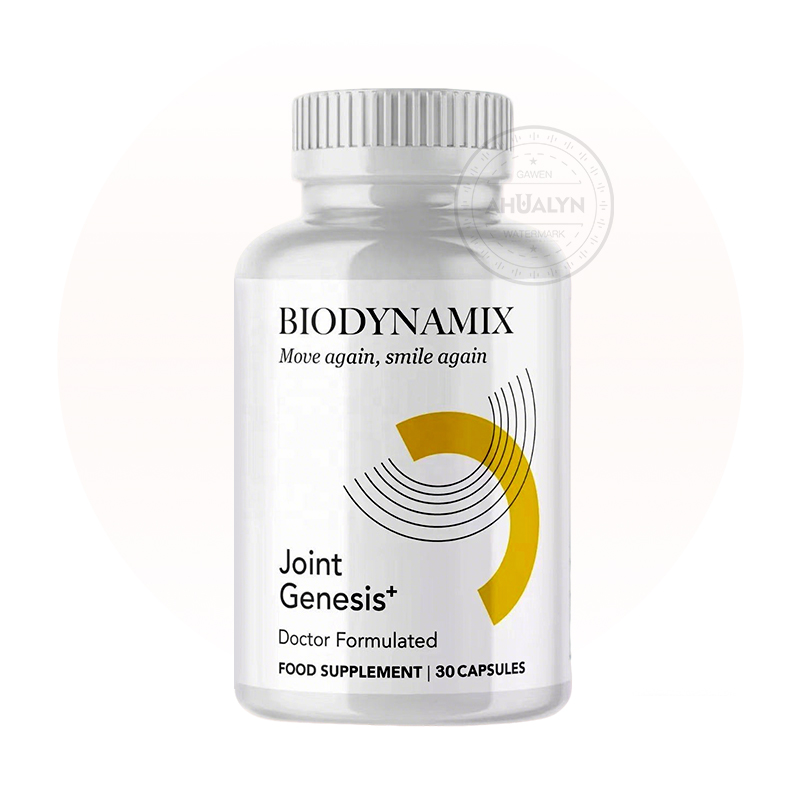
For those interested in broader skeletal support, magnesium works best in combination with complementary ingredients. Products containing glucosamine, chondroitin sulfate, and MSM address joint function alongside bone mineralization, creating a comprehensive musculoskeletal health strategy. The Joint Support Supplement from Ahualyn exemplifies this multi-ingredient approach.
7. Frequently Asked Questions
Can I take magnesium and calcium at the same time?
Yes, but spacing them 2 hours apart may improve absorption, as very high doses of calcium can compete with magnesium for intestinal uptake. Many bone-focused supplements now use a 2:1 calcium-to-magnesium ratio, which reflects their physiological relationship. Taking magnesium with food can also reduce gastrointestinal discomfort.
Which form of magnesium is best for bone health?
Magnesium glycinate and magnesium citrate are both well-absorbed and suitable for long-term use. Magnesium oxide has higher elemental magnesium content but lower bioavailability and is more likely to cause digestive discomfort. A multi-form complex combining glycinate, citrate, and malate provides broad-spectrum absorption with balanced tolerability — this is the approach used in Ahualyn's Magnesium Complex.
How long does it take for magnesium supplementation to affect bone density?
Bone remodeling is a slow, continuous process. Clinical studies typically measure bone density changes over 6 to 12 months. Most research shows that consistent magnesium supplementation, combined with adequate vitamin D and calcium, can help slow bone loss over 12–24 months. Individual results depend on baseline magnesium status, age, hormone levels, physical activity, and other lifestyle factors. A DEXA scan is the appropriate tool for monitoring bone density changes.
Is magnesium supplementation safe for people with kidney disease?
Individuals with impaired kidney function should consult a healthcare provider before taking magnesium supplements. The kidneys regulate serum magnesium levels, and compromised kidney function can lead to potentially dangerous magnesium accumulation. Dietary magnesium from whole foods is generally safe at any intake level achievable through normal eating, but supplementation requires medical supervision in this population.
Does magnesium help with joint pain and arthritis?
Magnesium supports joint health primarily through its role in reducing systemic inflammation and regulating calcium balance. Low magnesium levels have been associated with elevated inflammatory markers (CRP, IL-6), and adequate intake may help moderate the inflammatory processes involved in osteoarthritis. However, magnesium is not a direct treatment for arthritis — it works best as part of a comprehensive joint health strategy alongside ingredients like glucosamine, chondroitin, and MSM. For post-workout muscle recovery specifically, see our guide on magnesium for muscle relaxation.
Are there signs that I might be magnesium deficient?
Early subclinical magnesium deficiency is difficult to detect because serum magnesium levels are tightly regulated — the body will leach magnesium from bone to maintain blood levels. Symptoms of more significant deficiency may include muscle cramps or twitching, fatigue, loss of appetite, and in severe cases, abnormal heart rhythms. Because standard blood tests only measure ~1% of total body magnesium (the rest is intracellular or in bone), a dietary assessment or RBC magnesium test may provide a more complete picture. If you suspect deficiency, consult a healthcare provider rather than self-diagnosing.


