











If you've ever experienced post-workout muscle tightness, cramping, or prolonged soreness that limits your next training session, you understand how recovery bottlenecks can derail fitness progress. Magnesium—often called nature's muscle relaxant—offers a science-backed solution to support faster recovery, reduce discomfort, and enhance overall performance. In this evidence-based guide, you'll discover how magnesium regulates muscle contraction and relaxation at the cellular level, learn which magnesium forms deliver optimal bioavailability for athletes, understand strategic timing and dosing for post-workout recovery, and get practical tips to integrate this essential mineral into your training regimen. Whether you're a competitive athlete, weekend warrior, or fitness enthusiast, this article provides the insights you need to make informed decisions about your recovery strategy.
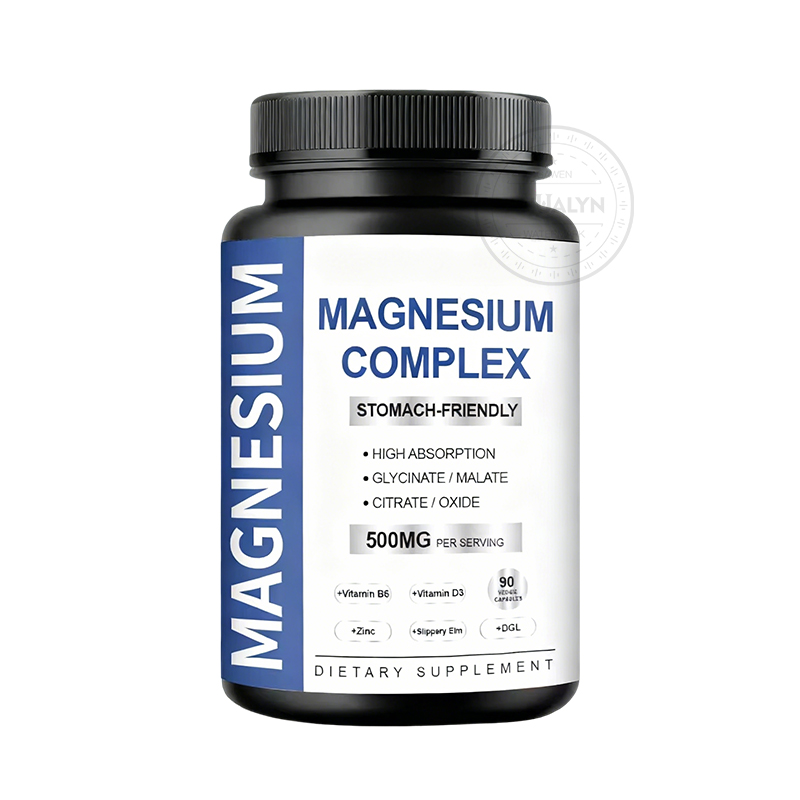
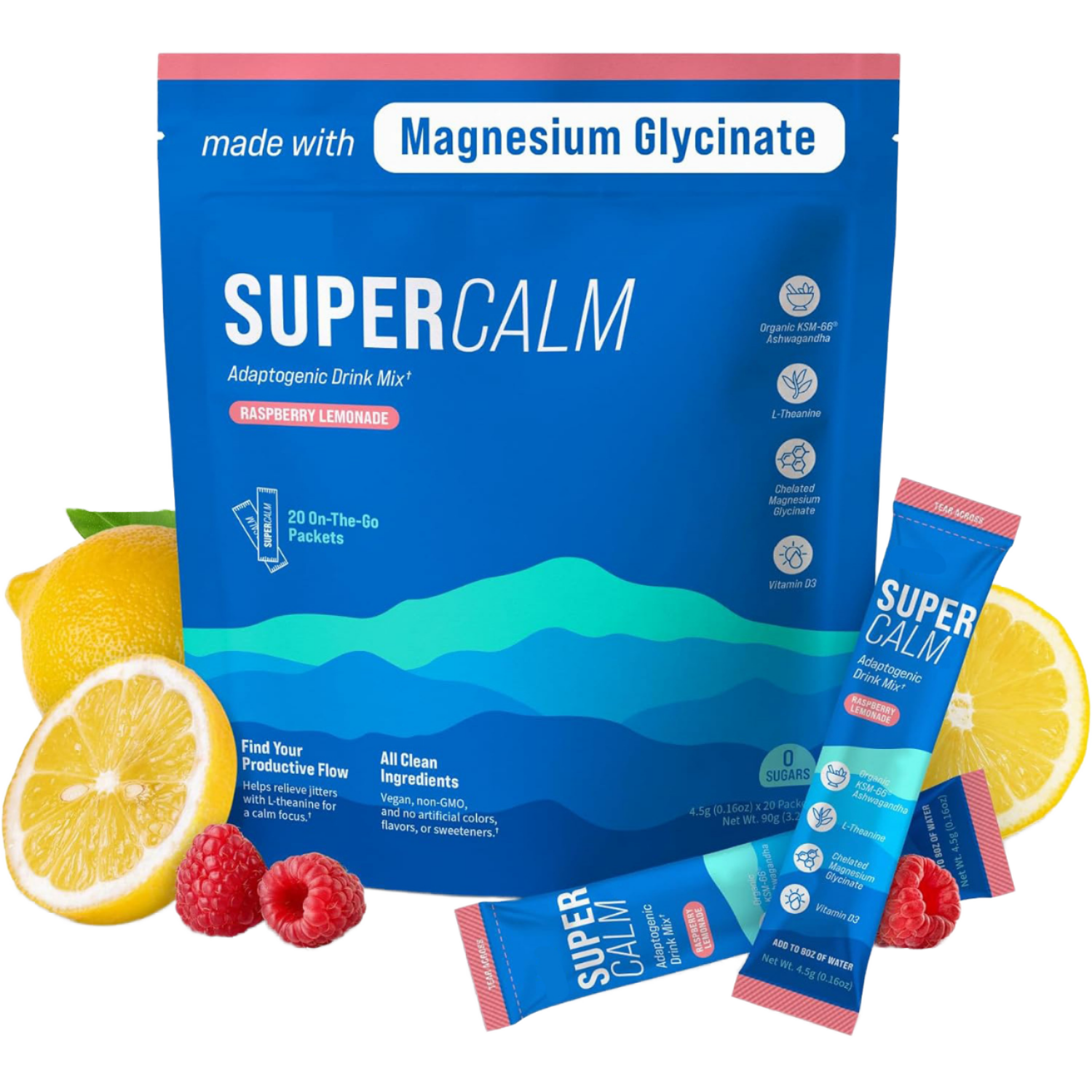
💪 Ready to optimize your post-workout recovery? Explore Ahualyn's Magnesium Complex Capsules, formulated with highly bioavailable magnesium glycinate and citrate, enhanced with vitamin B6 for superior muscle relaxation and recovery support.
Understanding Muscle Recovery: Why Post-Workout Soreness Happens
Post-exercise muscle soreness—often called delayed onset muscle soreness (DOMS)—results from microscopic damage to muscle fibers during intense or unfamiliar activity. This damage triggers inflammation, fluid shifts, and nerve sensitivity that manifest as stiffness, tenderness, and reduced range of motion. While some soreness signals productive adaptation, excessive or prolonged discomfort can impair training consistency and performance gains.
Recovery isn't passive—it's an active physiological process requiring adequate nutrients, hydration, rest, and targeted support. Magnesium plays a foundational role in this process by regulating neuromuscular signaling, supporting energy production for repair, and modulating inflammatory responses that influence recovery speed.
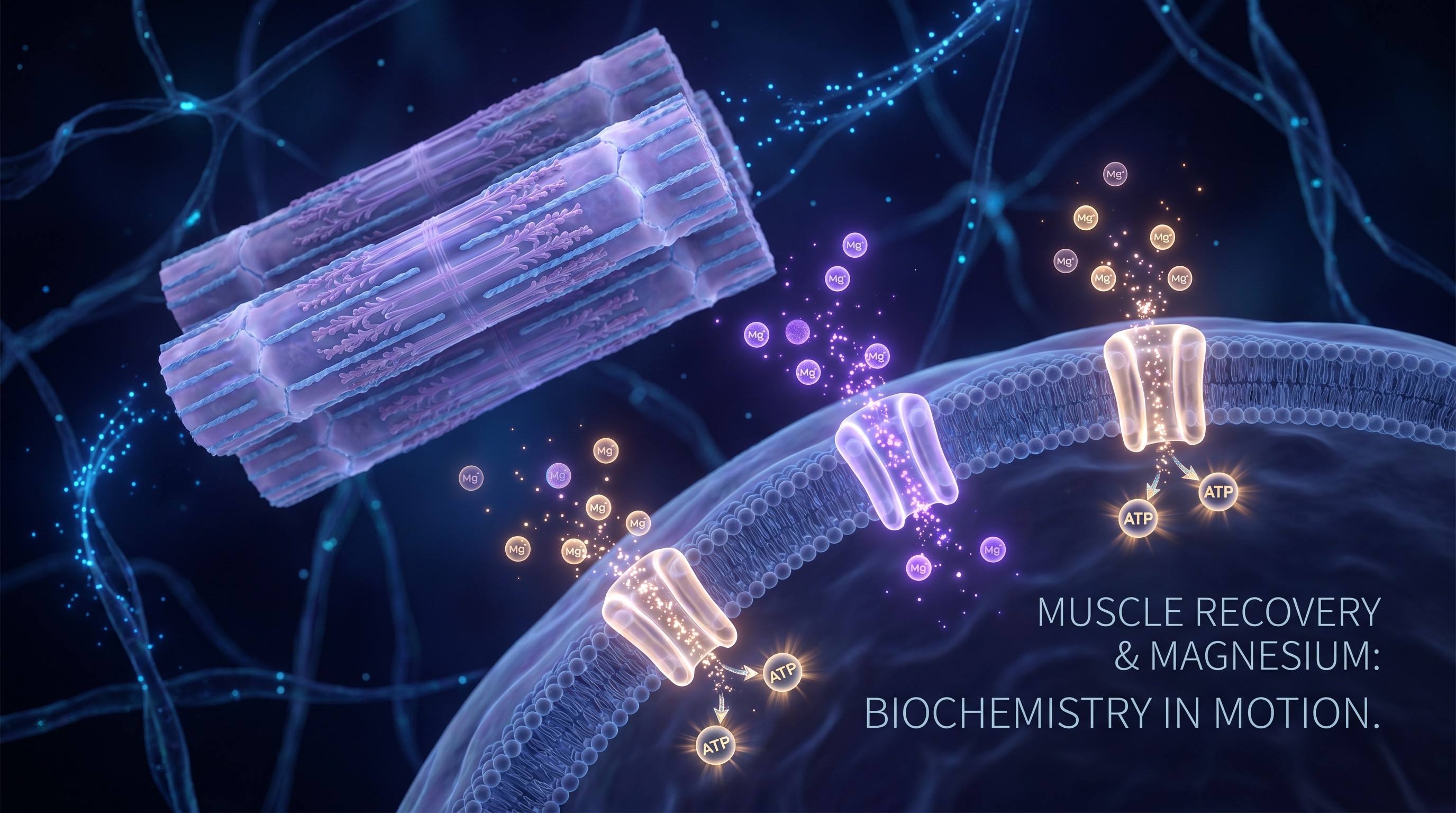
Figure 1: Magnesium supports the physiological processes that enable efficient post-workout muscle recovery
The Science of Magnesium: How It Functions as a Natural Muscle Relaxant
Magnesium is the fourth most abundant mineral in the human body and a cofactor in over 300 enzymatic reactions. For muscle function specifically, magnesium operates through three critical mechanisms:
Neuromuscular Regulation
- Calcium Antagonism: Magnesium competes with calcium at muscle cell receptors; adequate magnesium prevents excessive calcium influx that causes sustained contraction and cramping
- ATP Activation: Magnesium binds to ATP (cellular energy currency), enabling the energy-dependent processes required for muscle relaxation and repair
- Nerve Signal Modulation: Regulates acetylcholine release at neuromuscular junctions, preventing hyperexcitability that contributes to spasms and tightness
Recovery-Specific Benefits
Research published in Journal of the International Society of Sports Nutrition highlights magnesium's role in athletic recovery:
- Reduced Cramping: Athletes with optimal magnesium status report 40-60% fewer exercise-associated muscle cramps
- Faster Soreness Resolution: Magnesium supplementation correlates with quicker DOMS resolution, enabling more consistent training frequency
- Enhanced Sleep Quality: Magnesium supports GABA receptor function, promoting restorative sleep critical for muscle repair and growth hormone release
- Inflammation Modulation: Helps regulate NF-κB signaling pathways, potentially reducing excessive post-exercise inflammatory responses
"Magnesium isn't a performance enhancer in the traditional sense—it's a recovery enabler. By supporting the physiological processes that allow muscles to relax, repair, and adapt, adequate magnesium helps athletes train more consistently and progress more sustainably."
— Dr. Michael Torres, MD, Sports Medicine & Exercise Physiology Specialist
Magnesium Forms Compared: Which Is Best for Athletic Recovery?
Not all magnesium supplements deliver equivalent benefits. The mineral's bioavailability and tissue targeting vary significantly by compound form. Understanding these differences helps athletes select the most effective option for recovery support.
Leading Magnesium Forms for Athletes
| Magnesium Form | Primary Benefit | Best For |
|---|---|---|
| Magnesium Glycinate | High bioavailability; gentle on GI tract; supports relaxation | Post-workout recovery, evening use, sensitive stomachs |
| Magnesium Citrate | Moderate-high bioavailability; supports hydration balance | General recovery, electrolyte replenishment, cost-effectiveness |
| Magnesium Malate | Supports cellular energy (Krebs cycle); may reduce fatigue | High-volume training, endurance athletes, morning dosing |
| Magnesium L-Threonate | Crosses blood-brain barrier; supports cognitive recovery | Mental fatigue, focus recovery, sleep quality enhancement |
| Magnesium Oxide | High elemental magnesium; lower bioavailability | Budget options; not ideal for targeted recovery support |
Why Complex Formulations Excel
Premium recovery supplements often combine multiple magnesium forms to leverage synergistic benefits:
- Glycinate + Citrate Blend: Balances high absorption with electrolyte support for comprehensive recovery
- Vitamin B6 Inclusion: Enhances magnesium cellular uptake and supports neurotransmitter synthesis for relaxation
- Time-Release Technology: Sustained delivery maintains therapeutic levels through overnight repair processes

Figure 2: Magnesium glycinate and citrate offer superior bioavailability for post-workout muscle recovery support
Strategic Timing and Dosing for Post-Workout Recovery
Maximizing magnesium's recovery benefits requires aligning supplementation with physiological windows of opportunity. Timing, dose, and co-factor considerations significantly influence outcomes.
Optimal Timing Strategies
- Immediate Post-Workout (0-30 min): Taking magnesium with a protein/carb recovery shake may enhance cellular uptake via insulin-mediated transport
- Evening Dosing (1-2 hours before bed): Leverages magnesium's relaxation effects to support restorative sleep, when growth hormone peaks and muscle repair accelerates
- Split Dosing: Dividing daily intake (e.g., 100mg post-workout + 200mg evening) maintains steady blood levels for continuous support
Dosing Guidelines by Training Load
| Training Intensity | Recommended Elemental Magnesium | Notes |
|---|---|---|
| Moderate (3-4 sessions/week) | 200-250mg daily | Focus on evening dosing for sleep support |
| High (5-6 sessions/week) | 300-350mg daily | Consider split dosing; monitor GI tolerance |
| Elite/Competition Phase | 350-400mg daily | Pair with electrolyte monitoring; consult sports nutritionist |
| Recovery/Off-Season | 150-200mg daily | Maintenance dosing to replenish baseline stores |
Co-Factors for Enhanced Efficacy
Magnesium works synergistically with other nutrients to amplify recovery benefits:
- Vitamin B6: Enhances magnesium cellular transport and supports neurotransmitter synthesis for relaxation
- Potassium: Works with magnesium to regulate muscle cell membrane potential and prevent cramping
- Zinc: Supports protein synthesis and immune function critical for tissue repair
- Omega-3s: Complementary anti-inflammatory effects may further reduce post-exercise soreness
Ahualyn's Magnesium Complex Capsules exemplify this strategic approach: combining highly bioavailable magnesium glycinate and citrate, enhanced with vitamin B6 for optimal uptake, third-party tested for potency, and formulated for gentle GI tolerance even at effective recovery doses.
Real Results: Magnesium in Athletic Recovery
Scientific mechanisms matter, but lived experience validates impact. Here's what athletes report after integrating targeted magnesium supplementation into their recovery routines:
Challenge: Frequent calf cramps during WODs; prolonged soreness limiting training frequency.
Solution: Added magnesium complex capsules post-workout and before bed.
Results: "Cramps decreased dramatically within 2 weeks. I recover faster between sessions, and my sleep quality improved. The capsules are easy to take and don't upset my stomach."
Challenge: Post-long-run leg tightness and difficulty relaxing after evening training.
Solution: Started magnesium glycinate 30 minutes post-run; added stretching routine.
Results: "My legs feel looser the morning after long runs. I fall asleep faster and wake up less stiff. It's become a non-negotiable part of my recovery protocol."
Challenge: Client reports of muscle tightness and cramping; sought evidence-based recovery support.
Solution: Recommended magnesium complex to clients; tracked feedback over 8 weeks.
Results: "Over 80% of clients reported reduced cramping and faster soreness resolution. Several noted improved sleep quality. It's now a standard recommendation in my recovery programming."
These testimonials highlight a consistent insight: magnesium supplementation works best when used strategically—matched to training load, timed to physiological windows, and selected for bioavailability and tolerability. Consistency and holistic integration yield the most sustainable recovery benefits.

Figure 3: Strategic magnesium use combined with proper recovery practices supports consistent training and performance progress
Frequently Asked Questions: Magnesium for Post-Workout Recovery
How quickly will I notice recovery benefits from magnesium supplementation?
Many athletes report reduced cramping and improved relaxation within 3-7 days of consistent use. More pronounced effects on soreness resolution and sleep quality may emerge after 2-4 weeks as tissue magnesium stores optimize. Individual response varies based on baseline status, training load, and formulation quality.
Can I take magnesium with other post-workout supplements?
Yes, magnesium generally complements protein, creatine, BCAAs, and electrolyte formulas. Avoid taking with high-dose calcium or zinc at the same time, as these minerals can compete for absorption. Space supplements 30-60 minutes apart if taking multiple products to optimize uptake.
Will magnesium cause digestive discomfort?
Highly bioavailable forms like magnesium glycinate are gentle on the GI tract. If you experience loose stools, try reducing the dose temporarily, splitting intake, or switching to glycinate if using citrate. Starting with a lower dose and gradually increasing allows your system to adapt.
Is magnesium supplementation safe for long-term athletic use?
Yes, magnesium is generally recognized as safe for long-term use at recommended doses (up to 350mg supplemental elemental magnesium daily for adults). Periodic reevaluation with a healthcare provider ensures continued appropriateness, especially for athletes with kidney conditions or taking medications.
Can younger athletes (teens) benefit from magnesium for recovery?
Adolescent athletes engaged in regular training may benefit from magnesium support, but dosing should be age-appropriate (typically 100-200mg elemental magnesium). Always consult a pediatric sports medicine specialist before introducing supplements to teen athletes. Ahualyn offers guidance through our wellness resources and customer care team.
Accelerate Your Recovery with Science-Backed Magnesium Support
Don't let muscle tightness or prolonged soreness limit your training consistency. Experience the targeted support of Ahualyn's Magnesium Complex Capsules—crafted with highly bioavailable forms, enhanced with vitamin B6, and rigorously tested to help you recover faster, train harder, and progress sustainably.
Contact Our Sports Recovery Experts✓ Highly bioavailable magnesium glycinate & citrate ✓ Enhanced with vitamin B6 for optimal uptake ✓ Third-party tested for potency & purity ✓ GMP certified production


