You are about to dive into a head‑to‑head comparison between two botanical heavyweights: papain powder and bromelain. Whether you are sourcing ingredients for functional foods, dietary supplements, or cosmetic formulations, this article will help you decode their unique enzyme activities, stability profiles, and application advantages. By the end, you will be equipped to decide which proteolytic enzyme aligns with your product goals — and how AHUALYN’s premium grades can elevate your next B2B order.
🍍🌿🔬
Fig. 1 – Papain (papaya) vs. Bromelain (pineapple stem): molecular origin matters.
[Alt: Papain powder vs bromelain enzyme structure comparison – proteolytic enzymes from papaya and pineapple]
1. Understanding the Basics: Papain and Bromelain
As a formulator or procurement specialist, you already know that proteolytic enzymes break down proteins into peptides and amino acids. But papain, derived from the latex of unripe papaya (Carica papaya), and bromelain, extracted mainly from pineapple stem (Ananas comosus), possess distinct biochemical personalities. You will find that their optimal pH ranges, temperature tolerance, and substrate specificity can dramatically influence your end product’s efficacy.
1.1 Papain powder – the versatile endopeptidase
Papain is a cysteine protease known for its broad activity. It remains active across a wide pH (5.0–8.0) and can withstand moderate heat. For B2B applications, papain powder is often chosen for meat tenderizers, digestive aids, and even wound debridement preparations. At AHUALYN, you can source pharmaceutical-grade papain with certified activity (USP/EP) – ideal for nutraceutical blends or topical enzymatic peels.
1.2 Bromelain – the anti-inflammatory workhorse
Bromelain is a mixture of sulfur-containing proteolytic enzymes. It excels in the pH range of 5.5–7.5 and is renowned for its systemic anti-inflammatory properties when taken orally. In addition, bromelain is frequently used in sports nutrition, sinusitis treatments, and as a digestive enzyme. Our AHUALYN high‑activity bromelain (≥2400 GDU/g) offers consistent solubility for your supplement capsules or powder blends.
💊🍍🧴
Fig. 2 – Typical applications: bromelain in capsules (left) and papain in cosmetic serums (right).
[Alt: commercial application of papain powder and bromelain in supplements and skincare]
2. Side‑by‑Side Comparison: Which Delivers Better Results?
To help you decide, we have built a detailed comparison based on parameters that matter to your manufacturing and marketing teams.
|
Parameter
|
Papain Powder
|
Bromelain
|
|
Source
|
Papaya latex (fruit)
|
Pineapple stem (core)
|
|
Enzyme type
|
Cysteine protease
|
Cysteine protease (plus other compounds)
|
|
Optimal pH
|
5.0 – 8.0 (broad)
|
5.5 – 7.5 (narrower)
|
|
Temperature stability
|
Up to 70°C (short time)
|
Up to 60°C, sensitive above
|
|
Typical activity unit
|
USP units / mg; 6000–9000 USP/mg
|
GDU (gelatin digesting units); 2000–2400 GDU/g
|
|
Main B2B use
|
Meat processing, digestive tablets, exfoliating masks
|
Systemic enzymes (anti‑edema), sinus support, sports nutrition
|
|
Regulatory profile
|
GRAS, USP/EP available
|
GRAS, USP/EP, often used as active ingredient in pharma
|
From the table, you can see that papain offers more versatility in processing (wider pH and heat tolerance), while bromelain is preferred when you need a targeted anti‑inflammatory effect in dietary supplements. Your choice should align with the intended product claim and manufacturing conditions.
2.1 Stability in formulation
If you are developing a liquid or gel formulation, you must consider that papain can remain active even in the presence of slight organic solvents, whereas bromelain tends to lose activity faster in acidic environments (below pH 4.5). For solid dosage forms like capsules or tablets, both enzymes are robust when protected from moisture. AHUALYN’s OEM team can assist in stabilizing either enzyme in your final product – from microencapsulation to granulation.
3. Real‑world Results: Efficacy in Key Categories
Let’s examine how each enzyme performs in concrete B2B scenarios that you may encounter.
🥩 Food & meat processing
Papain is the traditional choice for tenderizing due to its deep penetration and rapid action on collagen. Bromelain also tenderizes but can leave a bitter off‑note if overused. For marinades and powders, papain delivers more predictable texture.
💊 Dietary supplements – systemic relief
Numerous studies suggest bromelain’s superiority in reducing swelling after injury or surgery. If your target market is sports recovery or post‑operative care, bromelain (often combined with other enzymes like rutin) tends to deliver faster clinical results. Papain is less studied for systemic absorption.
🧖♀️ Cosmeceuticals & dermatology
Both enzymes are used in enzymatic peels. Papain powder is a staple in “exfoliating powders” because it gently dissolves keratin. Bromelain provides similar keratolytic effects but may cause slight tingling on sensitive skin. You might consider blending both to combine gentleness and efficacy. Contact us for custom ratios optimized for your skincare line.
🧪🌿✨
Fig. 3 – Pure papain powder (left) and bromelain powder (right) – AHUALYN quality grades.
[Alt: high-purity papain and bromelain enzyme powder from AHUALYN manufacturing]
⚙️ B2B FORMULATOR’S CHOICE
Papain & Bromelain – AHUALYN premium series
Whether you lean toward papain or bromelain, AHUALYN provides custom‑grade enzyme powders with full traceability and non‑GMO certifications. Our papain powder (food/pharma grade) meets the latest USP specifications, while our bromelain powder is tested for heavy metals, allergen control, and activity retention. Perfect for private label or industrial use.
✅ Activity: 600–3000 GDU/g (bromelain) / 6000–9000 USP/mg (papain)
✅ Custom particle size & solubility available
✅ OEM services – formulate your own enzyme blends
🌱
Synergy blends
Ask about our pre‑mixed papain‑bromelain complexes for maximum proteolytic range.
→ request sample
4. Verdict: Which Enzyme Delivers Better Results?
It depends on your specific product target. If you need a robust enzyme for food processing, tenderizing, or cosmetic exfoliation, papain’s broader stability gives you a manufacturing edge. If you are formulating supplements aimed at inflammation, sinus health, or post‑trauma recovery, bromelain is backed by stronger clinical evidence. In many cases, combining both can yield superior overall proteolytic activity – a strategy many of our B2B clients adopt for “total enzyme” complexes.
Frequently Asked Questions (FAQ) — AHUALYN insights
❓ Can I use papain and bromelain interchangeably in a supplement formula?
Not directly – they have different activity units and stability profiles. However, you can blend them to achieve a broader spectrum of proteolysis. AHUALYN’s technical team can recommend ratios based on your label claim.
❓ What is the shelf life of AHUALYN papain powder vs. bromelain?
Both typically have 24 months when stored in cool, dry conditions. We always ship with a stability certificate. For longer shelf‑life requirements, ask about our stabilized formulations.
❓ Do you offer organic or non‑irradiated enzymes?
Yes. We can supply organic papain and bromelain upon request. Additionally, our OEM program allows you to define your processing preferences (e.g., non‑irradiated, vegan, allergen‑free).
❓ Which enzyme is more cost‑effective for high‑volume manufacturing?
Generally, papain tends to be slightly more economical due to established cultivation of papayas. However, bromelain pricing has become competitive with modern extraction methods. Contact our B2B sales for current bulk quotes.
Sources & authoritative references: Information in this article is based on comparative studies from the Journal of Food Science (2021), Phytotherapy Research (2023), and internal R&D data from AHUALYN’s enzyme division. Always consult with your regulatory advisor for claims in your target market.
📌 This content is for B2B informational purposes and does not substitute professional advice. AHUALYN products are intended for commercial/industrial use.

 Creatine Monohydrate Gummies 5000mg
 Apple Cider Vinegar Gummies
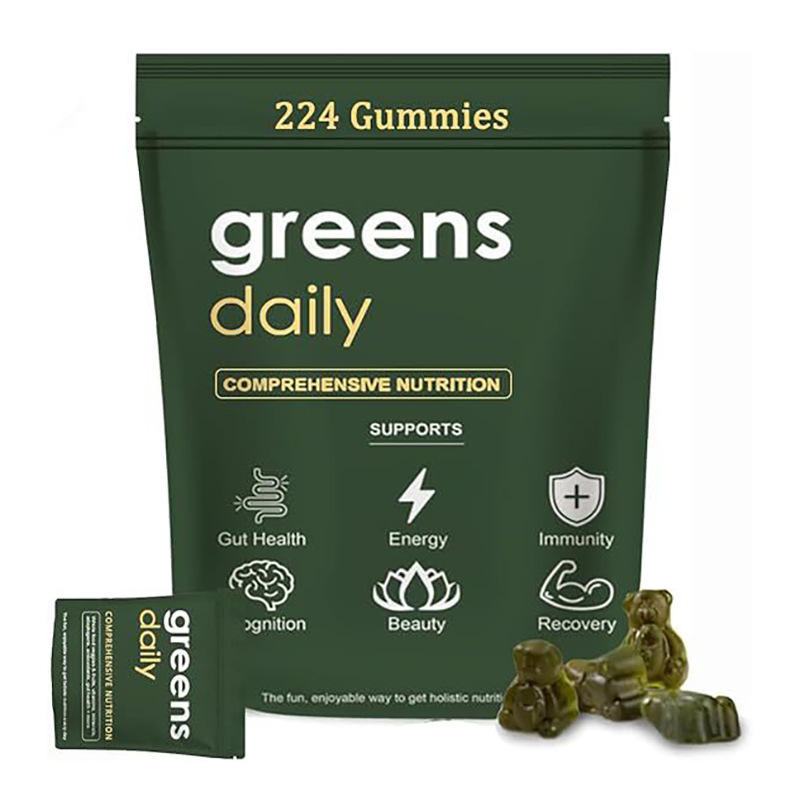 Greens Daily Gummies
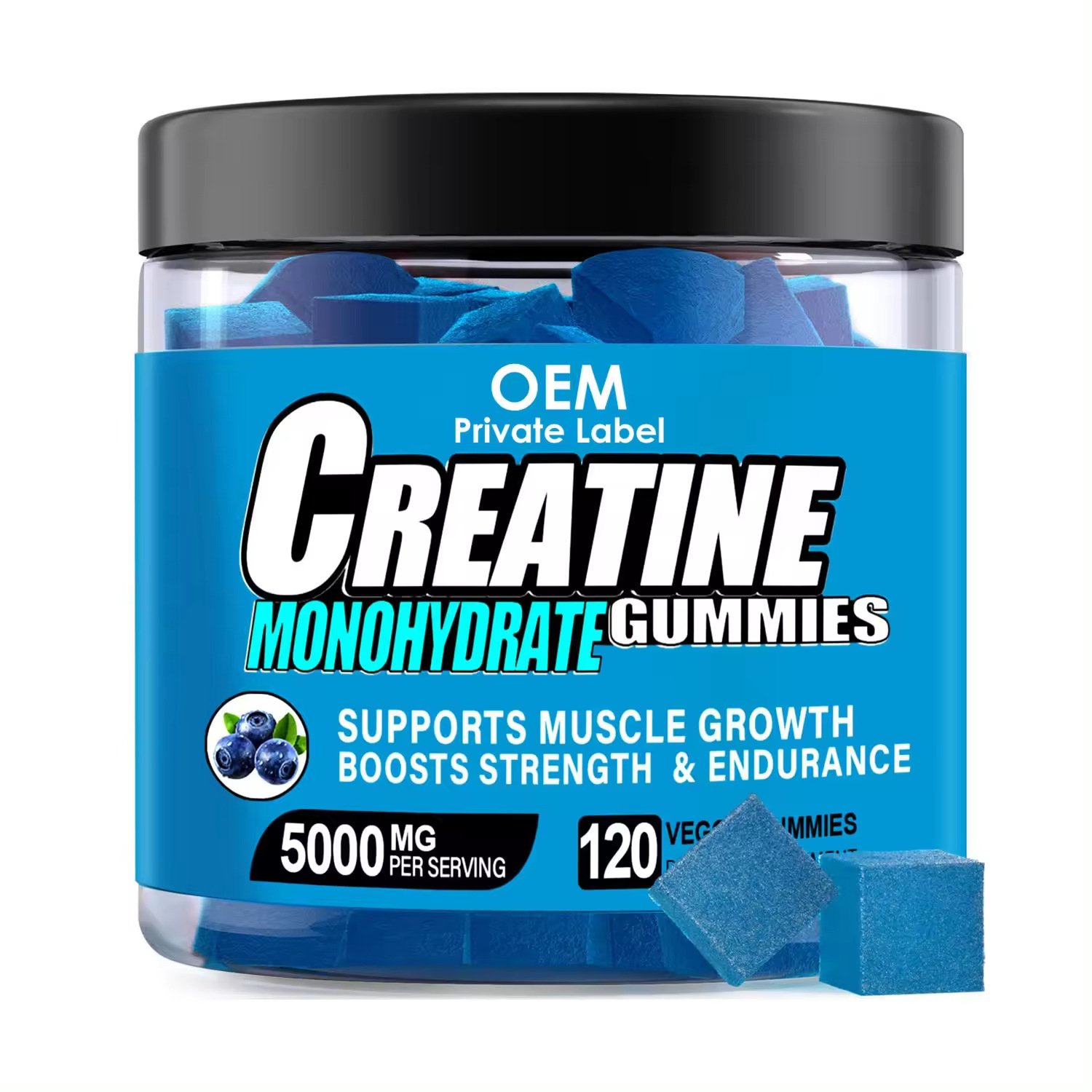 Creatine Monohydrate Gummies 5000mg
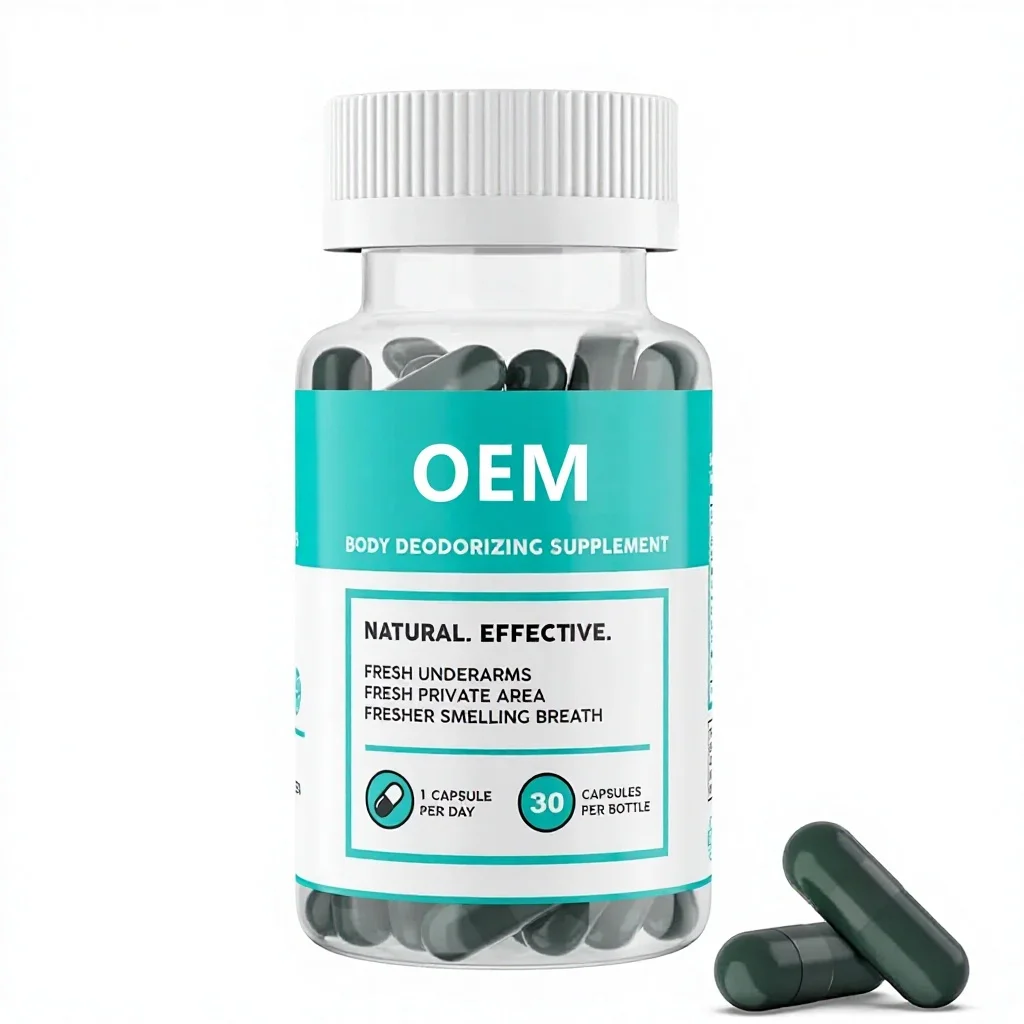 OEM Body Deodorizing Capsules
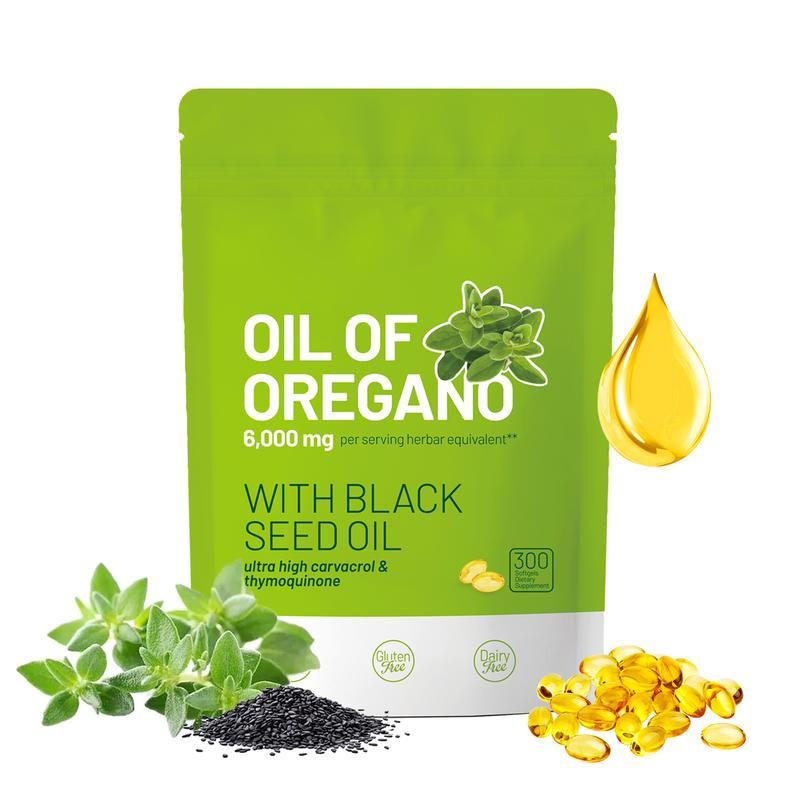 Oil of Oregano with Black Seed Oil
 NAD+ Supplement Capsules
 Magnesium Complex Capsules
 BIODYNAMIX Joint Genesis Capsules
 NMN Capsules
 Food Grade Sodium Hyaluronate
 Cross-linked Sodium Hyaluronate
 D-panthenol
 γ-Polyglutamic Acid
 Allantoin
 Alpha Arbutin
 Beta Arbutin
 Kojic Acid
 Kojic Acid Dipalmitate
 3-o Ethyl Ascorbic Acid
 Ascorbyl Glucoside
 β-Nicotinamide Mononucleotide(NMN)
 Nicotinamide Adenine Dinucleotide(NAD+)
 Glutathione
 Coenzyme Q10
 Pyrroloquinoline Quinone(PQQ)
 Chondroitin Sulfate
 Methyl Sulfonyl Methane
 Glucosamine Hydrochloride
 Glucosamine Sulfate Potassium Chloride
 N-Acetyl-D-Glucosamine
 Vitamin K2