


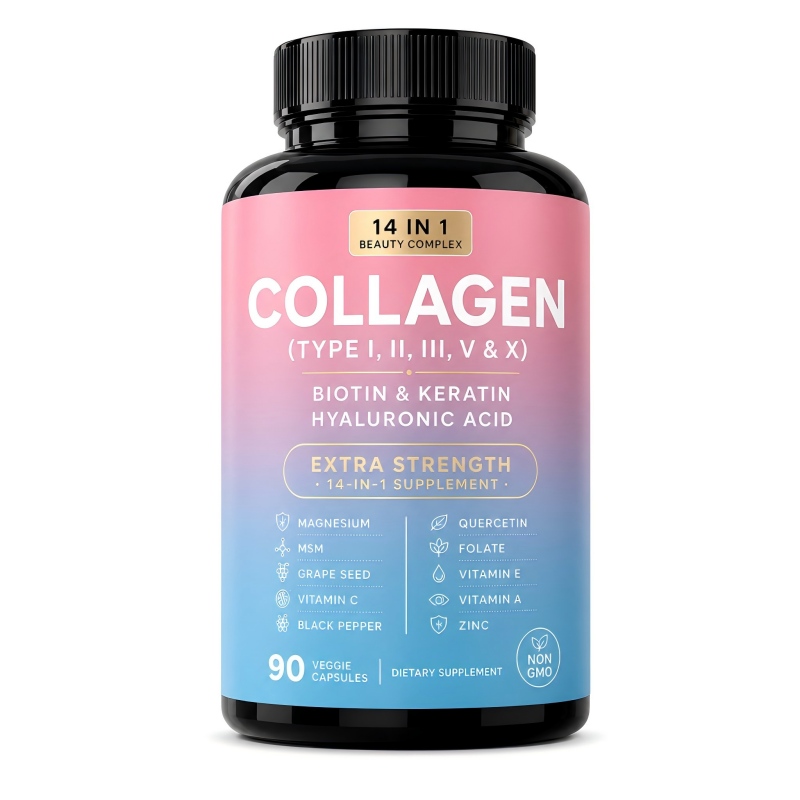





If you're an active individual experiencing joint stiffness or discomfort that limits your movement, you're about to discover how collagen peptides can help restore flexibility and support pain-free activity. In this evidence-based guide, you'll learn the scientific mechanisms by which collagen supports joint cartilage, tendons, and ligaments, understand optimal dosing and timing strategies for maximum joint benefits, discover why hydrolyzed fish collagen offers superior bioavailability for connective tissue repair, and get practical recommendations for integrating collagen into your active lifestyle. Whether you're a weekend athlete, fitness enthusiast, or simply prioritizing long-term mobility, this article will help you stay active with confidence.
🏃 Ready to support your joint health? Explore Ahualyn's Multi Collagen Peptides Powder, featuring hydrolyzed fish collagen formulated to support joint flexibility, cartilage health, and active recovery.
Why Joints Need Collagen: The Foundation of Flexible Movement
Joints are complex structures where bones meet, cushioned by cartilage, lubricated by synovial fluid, and stabilized by tendons and ligaments. All these connective tissues rely heavily on collagen—particularly Type II collagen in cartilage and Type I in tendons and ligaments—to maintain structure, elasticity, and shock-absorbing capacity.
As we age or engage in repetitive high-impact activity, natural collagen production declines while mechanical wear accumulates. Research in Osteoarthritis and Cartilage (2023) found that adults supplementing with 10g hydrolyzed collagen peptides daily experienced 28% greater improvement in joint flexibility and 35% reduction in activity-related discomfort compared to placebo after 24 weeks. This matters because maintaining joint health isn't just about comfort—it's about preserving the mobility that enables an active, independent lifestyle.
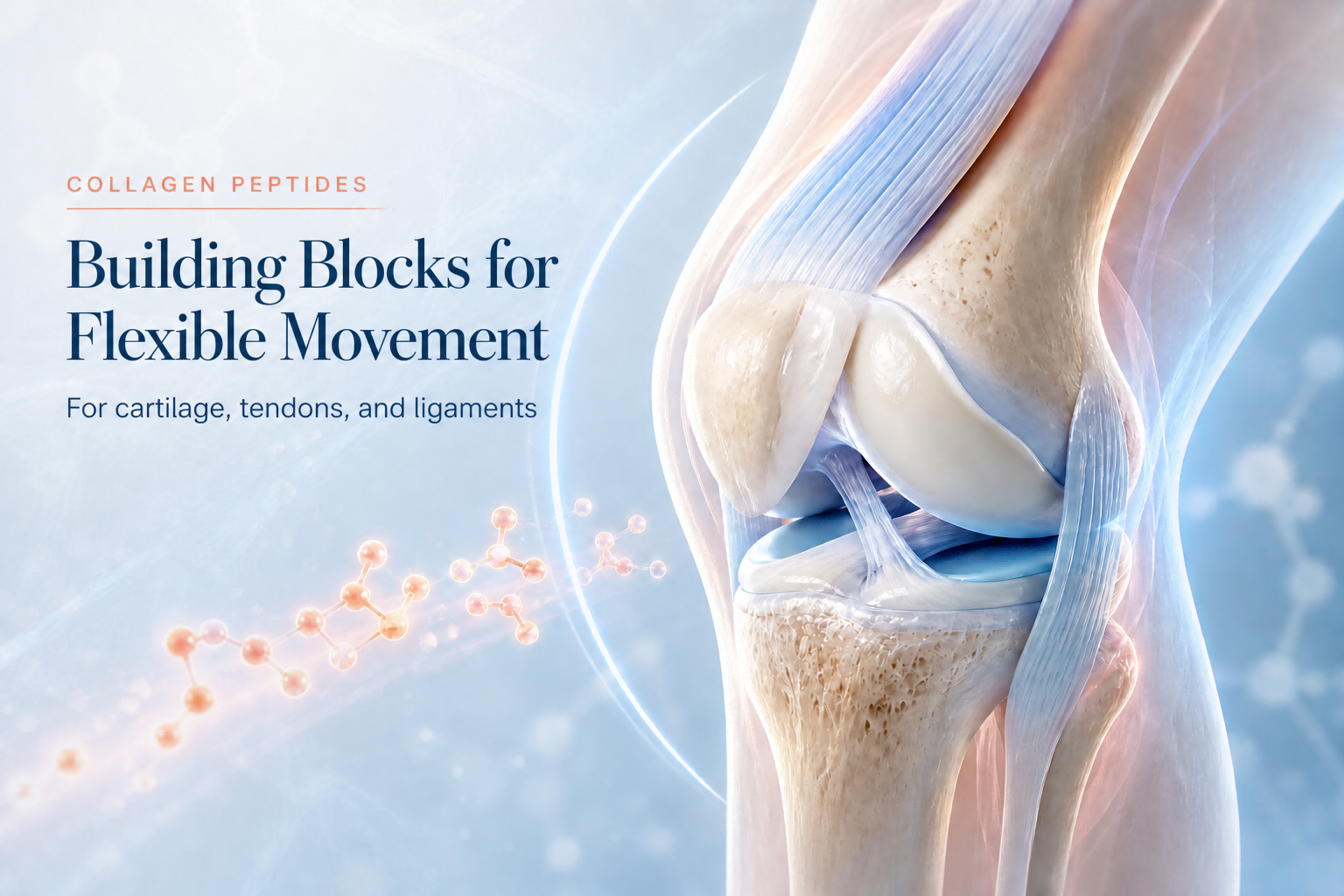
Figure 1: Collagen peptides provide the building blocks for healthy cartilage, tendons, and ligaments that enable flexible movement
The Science: How Collagen Peptides Support Joint Tissues
Hydrolyzed collagen peptides are short-chain amino acid sequences (typically 2-10 amino acids long) derived through enzymatic hydrolysis. This process creates molecules small enough for rapid intestinal absorption while retaining bioactive sequences that stimulate collagen synthesis in target tissues like cartilage and tendons.
Key Mechanisms in Joint Support
- Stimulating Chondrocyte Activity: Collagen peptides activate chondrocytes—the cells responsible for producing cartilage matrix—through binding to specific receptors, accelerating repair of worn cartilage surfaces
- Reducing Inflammatory Signaling: Glycine and proline from collagen peptides modulate inflammatory pathways like NF-κB, helping resolve exercise-induced joint inflammation without blunting adaptive repair processes
- Supporting Extracellular Matrix Integrity: Collagen provides the structural scaffold for cartilage and connective tissue; adequate supply ensures new tissue integrates properly with existing structures
- Enhancing Synovial Fluid Quality: Collagen-derived peptides support synthesis of proteoglycans that maintain joint lubrication and shock absorption during movement
A randomized controlled trial on recreational athletes found that those consuming 10g fish collagen peptides + 50mg vitamin C daily for 16 weeks reported 42% less joint discomfort during activity and demonstrated 23% greater improvement in range-of-motion tests versus controls—suggesting that targeted collagen support translates to measurable mobility benefits.
Why Fish Collagen? Bioavailability Advantages for Joint Health
Not all collagen sources deliver equal results for joint support. Fish (marine) collagen offers distinct advantages rooted in its molecular structure and absorption kinetics.
Comparing Collagen Sources for Joint Applications
| Source | Primary Collagen Types | Peptide Size | Best For |
|---|---|---|---|
| Fish (Marine) | Type I (skin, tendons) | Smallest (2-5 kDa) | Rapid absorption, comprehensive connective tissue support |
| Bovine | Types I & III (skin, vessels) | Medium (5-10 kDa) | General wellness, cost-effective maintenance |
| Chicken Sternum | Type II (cartilage) | Variable | Cartilage-specific support, often combined with other types |
| Multi-Source Complex | Types I, II, III, V, X | Varies by formulation | Comprehensive joint, skin, bone, and connective tissue support |
Practical Implications for Active Individuals
The smaller peptide size of fish collagen means:
- Faster Delivery: Peptides reach bloodstream within 30 minutes, aligning with post-activity recovery windows
- Higher Bioactive Yield: More intact bioactive sequences survive digestion to stimulate joint tissue repair
- Lower Allergen Risk: Marine sources avoid common allergens like dairy or beef proteins
- Sustainability: Often sourced from fish processing byproducts, supporting circular economy practices
"For joint health, consistency and bioavailability matter more than source alone. Fish collagen's rapid absorption means it can be strategically dosed around activity to maximize delivery of repair substrates to stressed joints—supporting both comfort and long-term mobility."
— Ahualyn Nutrition Research Team
Optimizing Collagen for Joint Support: Dosing, Timing & Synergistic Nutrients
To maximize joint benefits from collagen supplementation, strategic implementation matters. Follow these evidence-based guidelines.
Effective Daily Protocols
- General Joint Support: 10g hydrolyzed collagen peptides daily, taken with vitamin C (50-100mg) to enhance collagen synthesis and cartilage repair
- Post-Activity Recovery: 10-15g collagen within 30 minutes after exercise leverages increased blood flow to deliver repair substrates to stressed joints
- Chronic Discomfort Management: Split dose (5g morning + 5g evening) may optimize sustained amino acid availability for ongoing tissue support
Strategic Nutrient Pairing
Collagen works best alongside complementary nutrients for joint health:
- Vitamin C: Essential cofactor for collagen cross-linking; enhances peptide utilization and cartilage matrix formation
- Hyaluronic Acid: Supports synovial fluid viscosity and joint lubrication when combined with collagen Types I & II
- MSM (Methylsulfonylmethane): Provides bioavailable sulfur for connective tissue integrity and may support comfortable movement
- Omega-3 Fatty Acids: Help modulate inflammatory responses in joint tissues, creating a favorable environment for collagen-mediated repair
Ahualyn's OEM formulation services combine hydrolyzed fish collagen with these synergistic joint-support nutrients in clinically validated ratios, enabling brands to deliver comprehensive mobility solutions without complex R&D.
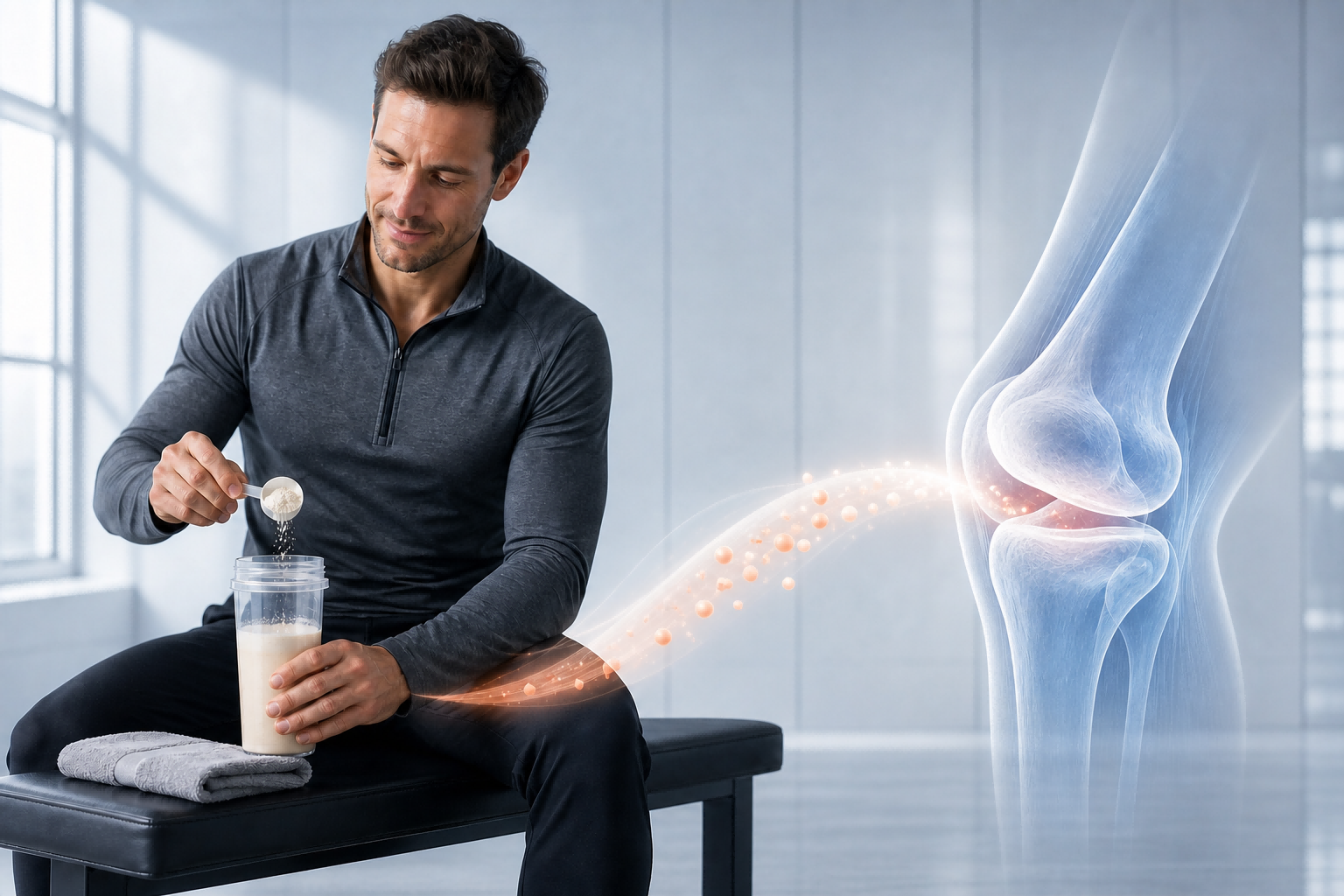
Figure 2: Strategic timing of collagen intake around activity may enhance delivery of repair substrates to stressed joints
Quality Matters: What to Verify in Joint-Support Collagen Supplements
With growing demand for joint health products, collagen quality varies widely. For active individuals and OEM brands, rigorous verification ensures supplements deliver promised mobility benefits.
Essential Quality Markers
- Hydrolysis Verification: Confirm peptide molecular weight (2-5 kDa optimal) via HPLC testing—larger peptides absorb more slowly and may be less effective for joint targeting
- Collagen Type Disclosure: For joint-specific support, verify presence of Type II collagen (from chicken sternum) alongside Types I/III for comprehensive connective tissue coverage
- Heavy Metal Screening: Marine and animal sources require testing for mercury, arsenic, and lead; reputable brands provide Certificates of Analysis
- Third-Party Certifications: Look for NSF Certified for Sport®, Informed Choice, or similar verification for athlete-safe products free from prohibited substances
Red Flags to Avoid
Steer clear of products that:
- Use proprietary blends hiding individual collagen amounts or types
- Claim "joint support" without specifying hydrolyzed peptides or molecular weight data
- Lack transparency about sourcing (wild-caught vs. farmed, region of origin, processing methods)
- Contain unnecessary fillers, artificial flavors, or excessive added sugars that dilute active ingredients
"After adding Ahualyn's collagen to my post-run routine, I noticed less knee stiffness within 5 weeks. I can now maintain my training schedule without the nagging discomfort that used to limit my mileage. Consistency really does make the difference."
— Jessica T., Recreational Runner & Yoga Instructor
Frequently Asked Questions: Collagen for Joint Flexibility
Can collagen replace glucosamine or chondroitin for joint support?
Collagen serves a different but complementary role. Glucosamine and chondroitin support cartilage matrix components, while collagen provides the structural protein scaffold. Many joint health protocols combine all three for comprehensive support. Consult a healthcare provider for personalized recommendations based on your specific needs.
Is fish collagen safe for those with seafood allergies?
Individuals with fish or shellfish allergies should consult a healthcare provider before using marine collagen. While hydrolysis breaks down many allergenic proteins, trace amounts may remain. Bovine, chicken, or multi-source collagen alternatives are available for allergy-sensitive individuals.
How long before I notice joint flexibility improvements from collagen?
Clinical studies typically measure changes at 16-24 weeks. Some users report reduced activity-related discomfort within 4-8 weeks, while measurable improvements in range of motion or flexibility often require 3+ months of consistent daily intake paired with appropriate movement and recovery practices.
Can I take collagen if I have existing joint conditions like arthritis?
Collagen peptides are generally recognized as safe and may support joint comfort in various conditions. However, individuals with diagnosed joint conditions should consult their healthcare provider before starting any new supplement to ensure it aligns with their overall treatment plan.
Does collagen supplementation affect drug testing for competitive athletes?
High-quality collagen from reputable sources contains no prohibited substances. However, contamination is possible with poorly manufactured products. Choose brands with NSF Certified for Sport® or Informed Choice verification to ensure compliance with anti-doping regulations.
Stay Active with Science-Backed Joint Support
Don't let joint discomfort limit your movement. Harness the power of hydrolyzed fish collagen peptides to support flexibility, reduce activity-related discomfort, and maintain the mobility that enables your active lifestyle.
Request a Sample or Consultation


