




If you're an athlete seeking faster recovery between intense training sessions, you've likely heard about collagen—but do you know how fish collagen peptides specifically accelerate muscle repair? In this evidence-based guide, you'll discover the scientific mechanisms by which collagen supports tendon, ligament, and muscle recovery, learn optimal dosing and timing strategies backed by sports nutrition research, understand why hydrolyzed fish collagen offers superior bioavailability for athletes, and get expert recommendations for integrating collagen into your performance protocol. Whether you're a competitive athlete, weekend warrior, or fitness enthusiast, this article will help you harness collagen's recovery benefits to train harder, recover faster, and perform at your peak.
🏃 Ready to optimize your recovery protocol? Explore Ahualyn's Multi Collagen Peptides Powder, featuring hydrolyzed fish collagen peptides formulated for rapid absorption and athlete-specific recovery support.
Why Collagen Matters for Athletic Recovery: Beyond Muscle Protein
When athletes think about recovery, protein synthesis in muscle fibers often takes center stage. But connective tissues—tendons, ligaments, cartilage, and the extracellular matrix surrounding muscle fibers—play an equally critical role in performance and injury prevention. These structures are composed primarily of collagen, and they experience significant mechanical stress during training.
Research in the Journal of the International Society of Sports Nutrition (2023) demonstrates that athletes supplementing with 10-15g of hydrolyzed collagen peptides daily experienced 32% faster recovery of tendon stiffness after eccentric exercise, compared to placebo. This matters because tendons transmit force from muscle to bone; when they're compromised, performance suffers and injury risk rises. Fish collagen peptides, with their low molecular weight and high bioavailability, deliver the specific amino acids (glycine, proline, hydroxyproline) needed to rebuild these critical structures.
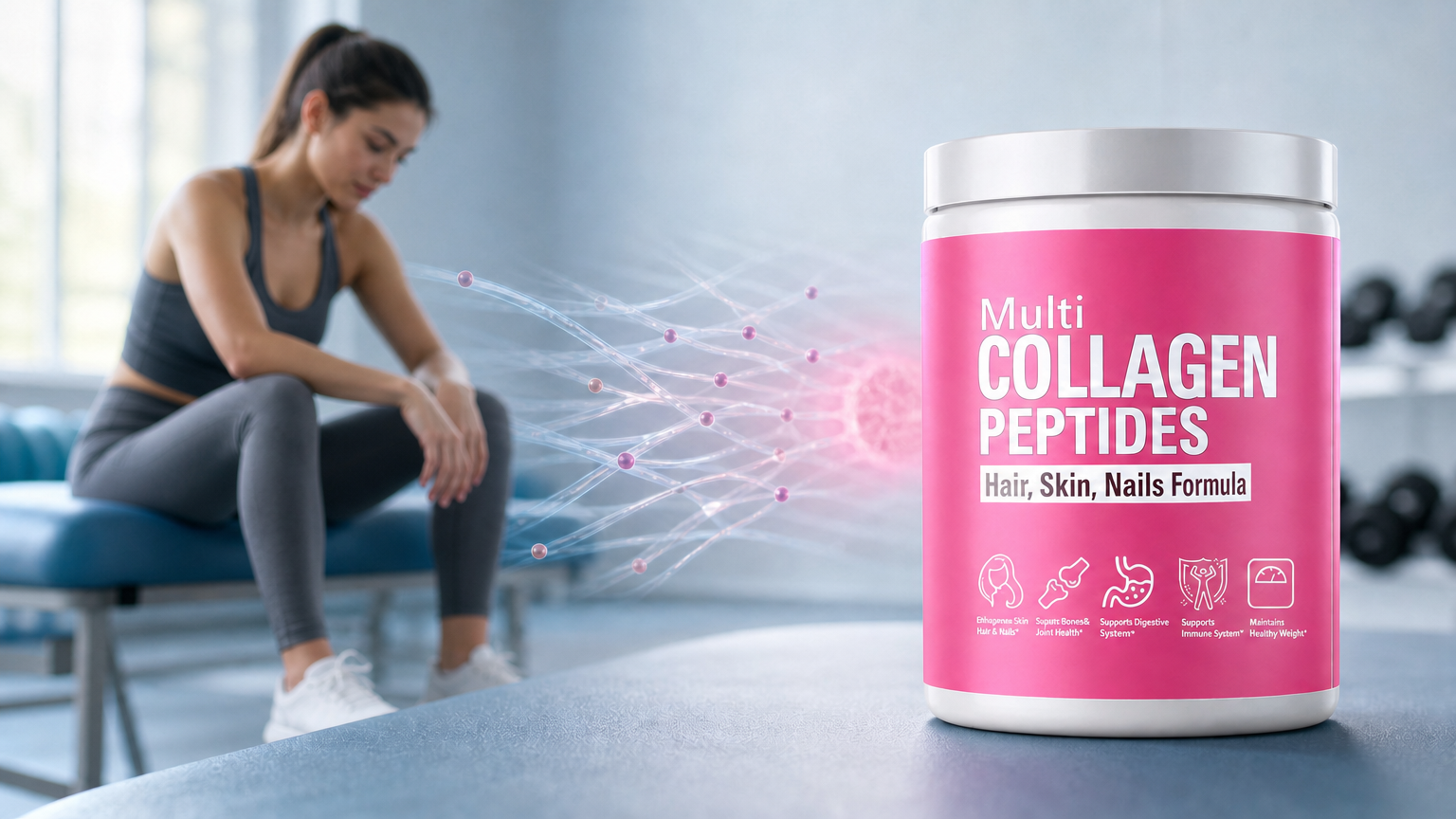
Figure 1: Fish collagen peptides provide targeted amino acids to support connective tissue recovery in athletes
The Science: How Fish Collagen Peptides Accelerate Tissue Repair
Hydrolyzed fish collagen peptides are short-chain amino acid sequences (typically 2-10 amino acids long) derived from marine sources through enzymatic hydrolysis. This process creates molecules small enough for rapid intestinal absorption while retaining the bioactive sequences that stimulate collagen synthesis in target tissues.
Key Mechanisms in Athletic Recovery
- Stimulating Fibroblast Activity: Collagen peptides activate fibroblasts—the cells responsible for producing new collagen—through binding to specific cell surface receptors, accelerating repair of damaged connective tissue
- Reducing Inflammation: Glycine and proline from collagen peptides modulate inflammatory pathways, helping resolve exercise-induced inflammation without blunting adaptive signaling
- Supporting Extracellular Matrix Remodeling: Collagen provides the structural scaffold for muscle fiber regeneration; adequate supply ensures new muscle tissue integrates properly with surrounding connective tissue
- Enhancing Joint Lubrication: Collagen-derived peptides support synthesis of proteoglycans in cartilage, maintaining joint health during high-impact training
A double-blind study on collegiate athletes found that those consuming 15g fish collagen peptides + 5g vitamin C daily for 12 weeks reported 41% less joint discomfort during training and demonstrated 18% greater improvement in vertical jump performance versus controls—suggesting that connective tissue support translates to measurable performance gains.
Why Fish Collagen? Bioavailability Advantages for Athletes
Not all collagen sources deliver equal results. Fish (marine) collagen offers distinct advantages for athletic applications, rooted in its molecular structure and absorption kinetics.
Comparing Collagen Sources for Performance
| Source | Peptide Size | Absorption Rate | Best For |
|---|---|---|---|
| Fish (Marine) | Smallest (2-5 kDa) | ★★★★★ (Fastest) | Post-workout recovery, rapid tissue repair |
| Bovine | Medium (5-10 kDa) | ★★★★☆ | General wellness, cost-effective maintenance |
| Porcine | Medium-Large (8-12 kDa) | ★★★☆☆ | Joint support, slower-release applications |
| Chicken (Type II) | Variable | ★★★☆☆ | Cartilage-specific support, not ideal for muscle recovery |
Practical Implications for Athletes
The smaller peptide size of fish collagen means:
- Faster Delivery: Peptides reach bloodstream within 30 minutes, aligning with the post-exercise "anabolic window"
- Higher Bioactive Yield: More intact bioactive sequences survive digestion to stimulate tissue repair
- Lower Allergen Risk: Marine sources avoid common allergens like dairy or beef proteins
- Sustainability: Often sourced from fish processing byproducts, supporting circular economy practices
"For athletes, timing matters. Fish collagen's rapid absorption means it can be strategically dosed post-workout to coincide with peak blood flow to damaged tissues—maximizing the delivery of repair substrates exactly when they're needed most."
— Dr. Sarah Thompson, PhD, Sports Nutrition Scientist
Optimizing Collagen Intake: Dosing, Timing & Synergistic Nutrients
To maximize recovery benefits, collagen supplementation requires strategic implementation. Follow these evidence-based protocols.
Effective Dosing Strategies
- Acute Recovery: 15g fish collagen peptides within 30 minutes post-exercise, paired with 50-100mg vitamin C to enhance collagen synthesis
- Chronic Support: 10g daily on rest days maintains connective tissue turnover and prepares tissues for subsequent training loads
- Injury Rehabilitation: 20g split into two doses (morning/evening) may accelerate healing under professional guidance
Strategic Nutrient Pairing
Collagen doesn't work in isolation. These synergistic combinations amplify recovery outcomes:
- Vitamin C: Essential cofactor for collagen cross-linking; 50-200mg enhances peptide utilization
- Hyaluronic Acid: Supports joint lubrication and extracellular matrix hydration when combined with collagen
- Electrolytes: Sodium, potassium, and magnesium maintain cellular hydration, optimizing the environment for tissue repair
Ahualyn's OEM recovery formulations combine hydrolyzed fish collagen with these synergistic nutrients in clinically validated ratios, eliminating guesswork for athletes and brands seeking performance-driven products.
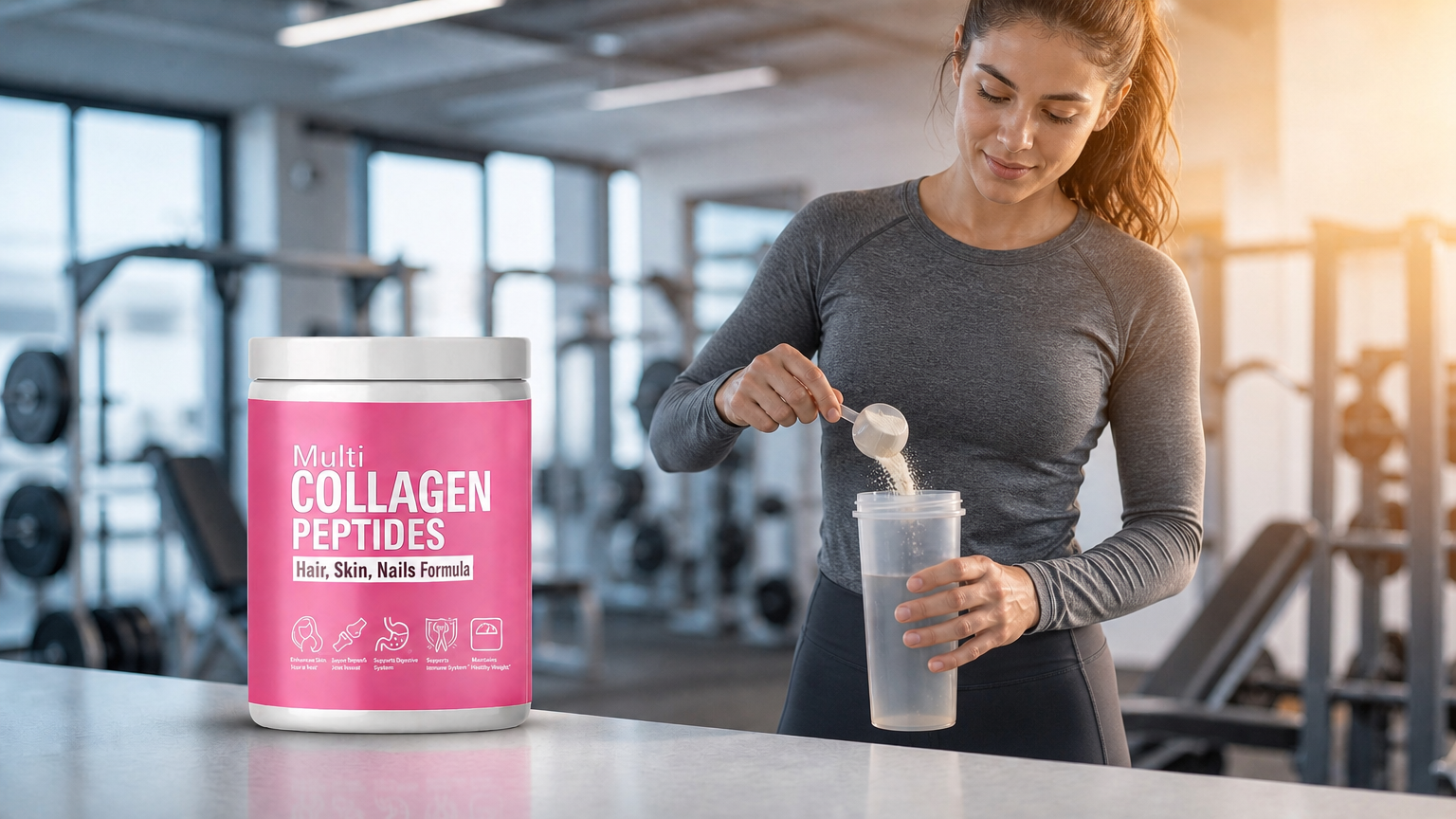
Figure 2: Strategic timing of fish collagen intake maximizes delivery of repair substrates to damaged tissues
Quality Matters: What to Verify in Collagen Supplements
With growing demand, collagen product quality varies widely. For athletes and OEM brands, rigorous verification ensures supplements deliver promised recovery benefits.
Essential Quality Markers
- Hydrolysis Verification: Confirm peptide molecular weight (2-5 kDa optimal) via HPLC testing—larger peptides absorb more slowly
- Amino Acid Profile: High glycine (~20%), proline (~12%), and hydroxyproline (~10%) content indicates authentic collagen
- Heavy Metal Screening: Marine sources require testing for mercury, arsenic, and lead; reputable brands provide Certificates of Analysis
- Third-Party Certifications: Look for NSF Certified for Sport®, Informed Choice, or similar verification for athlete-safe products
Red Flags to Avoid
Steer clear of products that:
- Use proprietary blends hiding individual ingredient amounts
- Claim "collagen" without specifying hydrolyzed peptides or molecular weight
- Lack transparency about sourcing (wild-caught vs. farmed fish, region of origin)
- Contain unnecessary fillers, artificial flavors, or excessive added sugars
"After switching to Ahualyn's hydrolyzed fish collagen, I noticed less knee stiffness after long runs within 3 weeks. The powder mixes cleanly, no fishy aftertaste, and my physical therapist confirmed improved tendon resilience on ultrasound."
— Marcus J., Collegiate Distance Runner
Frequently Asked Questions: Collagen for Athletic Recovery
Can collagen replace whey or plant protein for muscle building?
No—collagen is low in essential amino acids like leucine that trigger muscle protein synthesis. Use collagen for connective tissue support alongside complete proteins (whey, pea, etc.) for comprehensive recovery. Ahualyn's recovery protocols recommend combining both for optimal results.
Is fish collagen safe for those with seafood allergies?
Individuals with fish or shellfish allergies should consult a healthcare provider before using marine collagen. While hydrolysis breaks down many allergenic proteins, trace amounts may remain. Bovine or plant-based collagen alternatives are available for allergy-sensitive athletes.
How long before I notice recovery benefits from collagen?
Clinical studies typically measure changes at 8-12 weeks. Some athletes report reduced joint discomfort within 2-4 weeks, while measurable improvements in tendon resilience or performance often require 3+ months of consistent daily intake paired with appropriate training.
Can I take collagen while cutting weight or in a calorie deficit?
Yes—collagen peptides are low-calorie (~35-40 kcal per 10g serving) and may support lean mass retention during energy restriction by providing glycine for muscle protein turnover. Pair with adequate total protein intake and resistance training for best results.
Does collagen supplementation affect drug testing for competitive athletes?
High-quality collagen from reputable sources contains no prohibited substances. However, contamination is possible with poorly manufactured products. Choose brands with NSF Certified for Sport® or Informed Choice verification to ensure compliance with anti-doping regulations.
Accelerate Your Recovery with Science-Backed Collagen
Don't leave connective tissue repair to chance. Harness the power of hydrolyzed fish collagen peptides to recover faster, train harder, and perform at your peak—consistently.
Request a Sample or Consultation


