




If you've been researching collagen supplements and noticed products labeled "multi-collagen" or "5 types of collagen," you're probably wondering: does source diversity actually matter for results? In this science-backed guide, you'll discover why combining collagen from multiple sources delivers broader benefits than single-source formulas, understand the unique roles of collagen Types I, II, III, V, and X in your body, learn how to evaluate multi-collagen products for quality and efficacy, and get expert recommendations for integrating diverse collagen into your wellness routine. Whether you're targeting skin elasticity, joint comfort, gut health, or comprehensive anti-aging support, this article will help you choose a multi-collagen complex that truly works.
🌟 Ready to experience the power of diverse collagen? Explore Ahualyn's Multi Collagen Peptides Powder, featuring 5 hydrolyzed collagen types from premium sources for comprehensive whole-body support.
Why Single-Source Collagen Falls Short: The Case for Diversity
Your body contains 28+ distinct collagen types, each with specialized structures and functions. Types I, II, III, V, and X alone account for over 90% of your body's collagen content—but they're not interchangeable. Type I dominates skin, bones, and tendons; Type II is exclusive to cartilage; Type III supports blood vessels and organs; Type V regulates fiber formation; and Type X aids bone mineralization.
Most single-source collagen products—whether bovine, marine, or chicken—primarily deliver one or two collagen types. Bovine collagen is rich in Types I and III; marine collagen focuses on Type I; chicken sternum provides Type II. While these offer targeted benefits, they leave other critical tissues under-supported. A 2024 review in Nutrients concluded that multi-source collagen complexes provide more comprehensive amino acid profiles and bioactive peptides, potentially enhancing systemic tissue repair versus isolated sources.
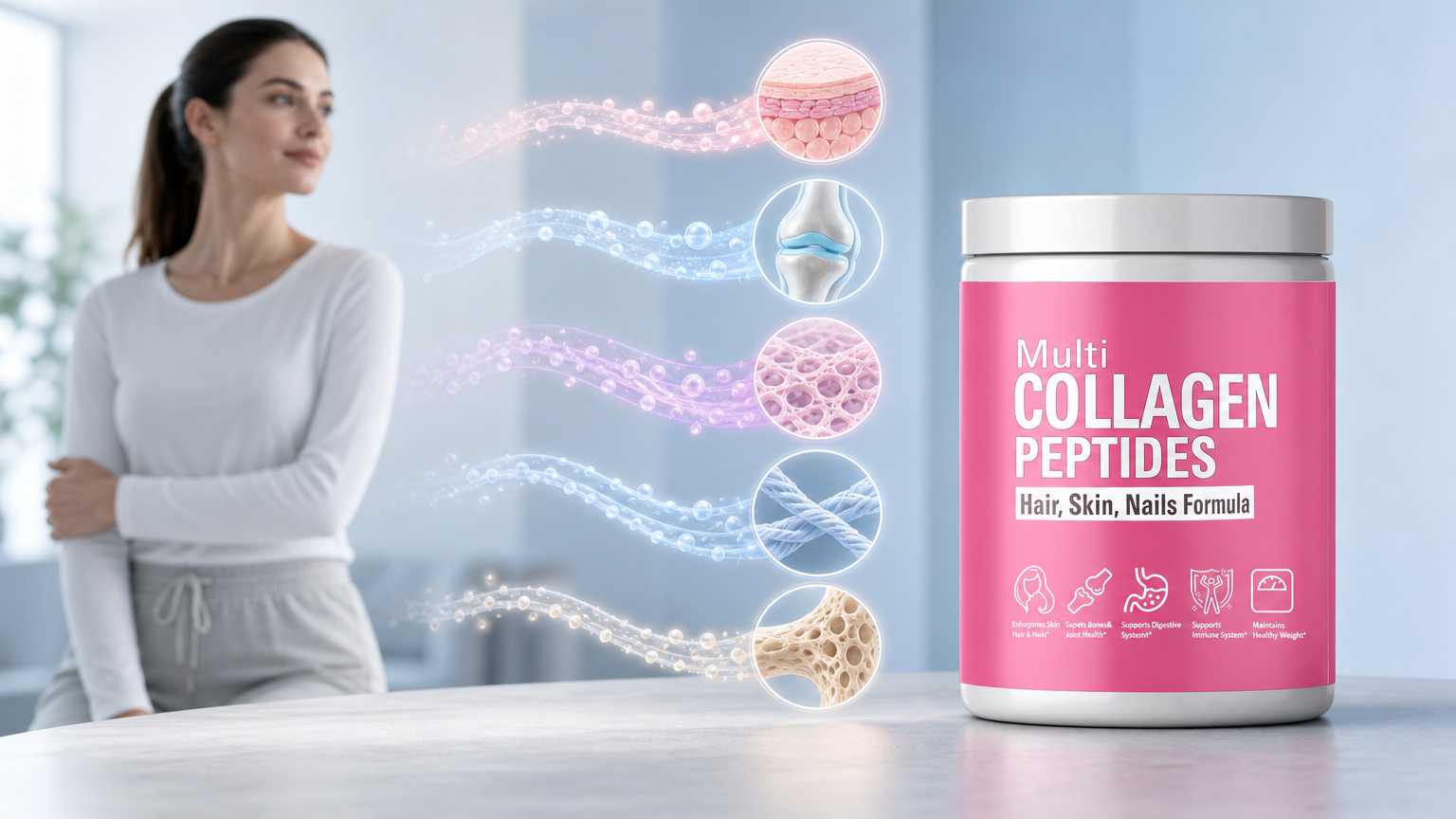
Figure 1: Multi-collagen complexes combine Types I, II, III, V, and X to support diverse tissues throughout the body
The Science: How Collagen Types Work Together for Whole-Body Benefits
Understanding collagen diversity requires examining how these proteins function synergistically. Each type has a unique triple-helix structure optimized for specific mechanical demands—and your tissues rely on this specialization.
Key Collagen Types & Their Primary Roles
- Type I (90% of body collagen): Provides tensile strength to skin, bones, tendons, ligaments, and teeth; most abundant in bovine and marine sources
- Type II: Forms elastic cartilage in joints, ears, and nose; exclusively sourced from chicken sternum or other avian cartilage
- Type III: Supports skin elasticity, blood vessel integrity, and organ structure; often paired with Type I in bovine collagen
- Type V: Regulates collagen fiber assembly and cell surface interactions; found in placental and some marine sources
- Type X: Facilitates bone mineralization and growth plate development; present in chicken cartilage and certain marine extracts
When you supplement with a multi-collagen complex, you're not just getting "more collagen"—you're delivering the specific molecular tools your various tissues need to maintain structure, repair damage, and adapt to stress. Clinical research shows that combined collagen types may enhance bioavailability through complementary absorption pathways, though more human trials are needed to quantify synergistic effects.
Evaluating Multi-Collagen Products: Quality Markers That Matter
Not all "multi-collagen" labels guarantee meaningful diversity or efficacy. Use these criteria to identify high-quality formulations.
Essential Verification Checklist
| Quality Marker | Why It Matters | How to Verify |
|---|---|---|
| Clearly Listed Collagen Types | Ensures you're getting the specific Types I, II, III, V, X promised | Supplement Facts panel should specify types + source for each |
| Hydrolyzed Peptide Form | Small peptides (2-5 kDa) absorb faster and stimulate tissue repair more effectively | Look for "hydrolyzed collagen peptides" + molecular weight data |
| Third-Party Testing | Confirms potency, screens for heavy metals, and verifies absence of contaminants | Check for NSF, Informed Choice, or brand-provided Certificates of Analysis |
| Transparent Sourcing | Wild-caught fish, grass-fed bovine, and antibiotic-free poultry indicate higher quality | Brand website should detail origin, harvesting practices, and processing methods |
Red Flags to Avoid
- Vague claims like "5 collagen types" without specifying which types or their sources
- Proprietary blends that hide individual ingredient amounts
- Unhydrolyzed "collagen" (large molecules absorb poorly)
- Excessive fillers, artificial flavors, or added sugars that dilute active ingredients
"The value of multi-collagen isn't just in the number of types—it's in their bioavailability and ratio. A well-formulated complex delivers each type in amounts that reflect physiological needs, not just marketing appeal."
— Ahualyn Nutrition Research Team
Practical Integration: Dosing, Timing & Synergistic Nutrients
To maximize benefits from multi-collagen supplementation, strategic implementation matters. Follow these evidence-based guidelines.
Effective Daily Protocols
- General Wellness: 10g multi-collagen peptides daily, taken with vitamin C (50-100mg) to enhance collagen synthesis
- Targeted Support: Split dose (5g morning + 5g evening) may optimize absorption for specific concerns like joint comfort or skin hydration
- Athletic Recovery: 15g post-workout paired with electrolytes supports connective tissue repair after intense training
Strategic Nutrient Pairing
Collagen works best alongside complementary nutrients:
- Vitamin C: Essential cofactor for collagen cross-linking; enhances peptide utilization and tissue repair
- Hyaluronic Acid: Supports joint lubrication and skin hydration when combined with collagen Types I & II
- Biotin + Zinc: Promote keratin synthesis and cellular turnover, amplifying skin, hair, and nail benefits
- Probiotics: Emerging research suggests gut health influences collagen absorption; pairing may enhance systemic effects
Ahualyn's OEM formulation services combine multi-collagen complexes with these synergistic nutrients in clinically validated ratios, enabling brands to deliver comprehensive wellness solutions without complex R&D.
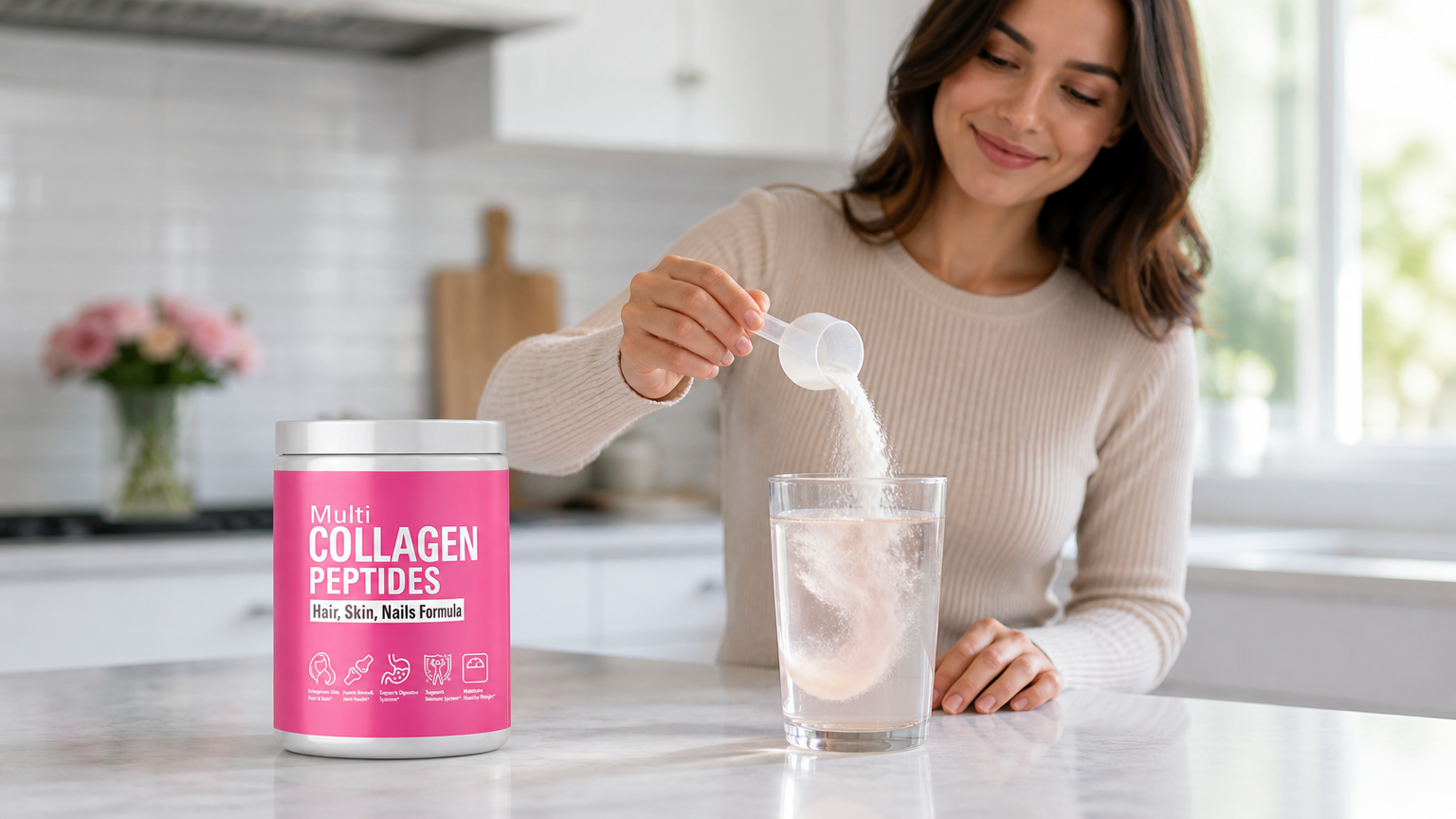
Figure 2: Multi-collagen peptides mix easily into beverages for convenient daily supplementation
Real User Experiences: What People Report with Multi-Collagen
Clinical data validates multi-collagen benefits, but real-world experiences reveal how these translate to daily life. Here's feedback from Ahualyn customers:
"I tried single-source collagen for a year with modest skin results. After switching to Ahualyn's multi-collagen, I noticed improvements in joint comfort within 6 weeks—and my dermatologist commented on my skin's improved texture at my next visit."
"As someone who hikes and gardens daily, knee stiffness was limiting my activities. Three months of multi-collagen + vitamin C has made a noticeable difference—I'm moving more freely and recovering faster after long days."
"Ahualyn's pre-validated multi-collagen complex saved us months of formulation testing. Their documentation on collagen type ratios and stability data gave our regulatory team confidence to move forward quickly."
These testimonials highlight a consistent theme: comprehensive support yields comprehensive results. When multiple tissues receive the collagen types they need, systemic benefits emerge that single-source formulas may not deliver.
Frequently Asked Questions: Multi-Collagen Complexes
Is multi-collagen better than taking separate single-source collagens?
For most people, yes—a well-formulated multi-collagen provides convenience, balanced ratios, and potential synergistic effects versus managing multiple bottles. However, individuals with specific concerns (e.g., severe joint issues) may benefit from targeted Type II supplementation alongside a multi-collagen base. Consult a nutrition professional for personalized guidance.
Can I take multi-collagen if I have food allergies?
Multi-collagen products often contain bovine, marine, and/or poultry-derived ingredients. If you have allergies to beef, fish, shellfish, or chicken, carefully review ingredient lists and consult your healthcare provider. Ahualyn offers allergen-transparent sourcing documentation for all collagen sources.
How long before I notice benefits from multi-collagen?
Individual responses vary, but clinical studies typically measure changes at 8-12 weeks. Some users report subtle shifts in skin hydration or joint comfort within 4-6 weeks. Consistent daily intake paired with vitamin C and healthy lifestyle habits optimizes outcomes.
Does multi-collagen contain all 28+ collagen types in the body?
No—and that's intentional. Types I, II, III, V, and X represent the most abundant and functionally diverse collagens for adult wellness. Including all 28 types would be impractical and unnecessary; quality formulations focus on evidence-backed types with clear physiological roles.
Is multi-collagen safe during pregnancy or breastfeeding?
Collagen peptides are generally recognized as safe, but pregnant or nursing individuals should consult their OB-GYN before starting any new supplement. Ahualyn's multi-collagen is free from artificial additives and third-party tested for purity, supporting informed decision-making with your healthcare provider.
Unlock Whole-Body Support with Multi-Collagen
Don't limit your wellness to single-tissue benefits. Harness the power of 5 collagen types from diverse, premium sources to support skin, joints, gut, bones, and connective tissues—comprehensively.
Request a Sample or Consultation


