


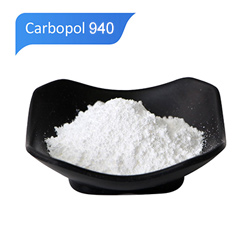


If you're developing supplements for cognitive performance, infant nutrition, or age-related eye health, DHA powder is one of the most scientifically validated ingredients you can incorporate. In this comprehensive guide, you'll discover why algal-derived DHA powder outperforms traditional fish oil in stability and consumer appeal, learn formulation techniques to preserve omega-3 integrity, and explore clinical evidence supporting DHA's role in brain development and visual function. Whether you're creating prenatal vitamins, senior wellness formulas, or functional foods, this article provides the technical insights and market intelligence you need to develop DHA-powered products that deliver measurable results.
Looking for premium algal DHA powder for your formulations?
Explore Ahualyn's DHA ingredients →Why DHA Powder Is Essential for Brain & Eye Health
Docosahexaenoic acid (DHA) is a long-chain omega-3 fatty acid that constitutes approximately 97% of the omega-3 fats in the human brain and 93% of those in the retina. This extraordinary concentration isn't coincidental—DHA plays structural and functional roles critical to neurological development, cognitive maintenance, and visual acuity throughout the lifespan.
For formulators, DHA powder offers significant advantages over liquid fish oil: superior oxidative stability, easier incorporation into dry formats (capsules, powders, gummies), neutral taste and odor, and enhanced consumer acceptance—especially among vegetarians, vegans, and those avoiding marine-derived ingredients. Algal-sourced DHA powder, in particular, provides a sustainable, contaminant-free alternative that aligns with clean-label trends.

Premium algal DHA powder delivers concentrated omega-3 support in a stable, versatile format for diverse supplement applications
Key Physiological Functions of DHA
Brain health: DHA integrates into neuronal cell membranes, enhancing membrane fluidity, facilitating neurotransmitter signaling, and supporting synaptic plasticity—the foundation of learning and memory.
Eye health: In the retina, DHA concentrates in photoreceptor outer segments, optimizing light signal transduction and protecting against oxidative damage linked to age-related macular degeneration.
Developmental support: During pregnancy and infancy, DHA accumulation in fetal brain tissue correlates with improved cognitive outcomes, visual acuity, and attention regulation in early childhood.
Algal DHA vs. Fish Oil: Formulation Advantages
While fish oil has traditionally been the primary source of DHA, algal-derived DHA powder is rapidly becoming the preferred choice for innovative supplement brands. Understanding the comparative advantages helps you select the right ingredient for your product goals.
Stability and Shelf Life
Liquid fish oil is highly susceptible to oxidation, which generates off-flavors, reduces potency, and produces potentially harmful free radicals. DHA powder—particularly microencapsulated algal DHA—uses advanced spray-drying or spray-chilling technologies to protect omega-3 fatty acids within a protective matrix (often gum acacia, starch, or plant-based proteins). This dramatically extends shelf life to 24+ months and eliminates the need for heavy antioxidant systems.
For formulators, this stability translates to greater flexibility: DHA powder can be blended with heat-sensitive ingredients, incorporated into dry mixes without refrigeration, and packaged in standard containers without specialized oxygen-barrier requirements.
Consumer Acceptance and Market Positioning
Taste and odor remain top barriers to fish oil supplement adherence. DHA powder delivers the same bioactive benefits without the "fishy" aftertaste or burps that deter consistent use. This is especially valuable for pediatric formulations, gummy vitamins, and functional food applications where sensory experience drives repeat purchase.
Additionally, algal DHA is inherently vegan, non-GMO, and free from ocean-borne contaminants (mercury, PCBs, microplastics). These attributes support premium positioning and appeal to the growing segment of consumers seeking sustainable, ethically sourced ingredients. Ahualyn's algal DHA powder is certified vegan, allergen-free, and produced in a facility with marine allergen controls to prevent cross-contamination.
| Feature | Algal DHA Powder | Traditional Fish Oil | Formulation Impact |
|---|---|---|---|
| Source | Sustainably cultivated microalgae | Wild-caught or farmed fish | Algal: vegan, sustainable, contaminant-free |
| Format | Free-flowing powder (microencapsulated) | Liquid softgel or emulsion | Powder: versatile for capsules, gummies, powders |
| Oxidative Stability | High (protected matrix) | Moderate (requires antioxidants) | Powder: longer shelf life, fewer preservatives |
| Sensory Profile | Neutral taste/odor | Characteristic fishy notes | Powder: better compliance, broader applications |
| DHA Concentration | 10-40% (customizable) | 18-30% (variable) | Both: dose precisely to meet label claims |
| Regulatory Status | GRAS, Novel Food approved | Generally recognized as safe | Both: suitable for global markets with documentation |
Clinical Evidence Supporting DHA for Cognitive & Visual Function
Robust clinical research validates DHA's role across the lifespan. Citing this evidence strengthens your product claims and builds consumer trust in scientifically backed formulations.
Brain Development and Cognitive Performance
A landmark meta-analysis in The American Journal of Clinical Nutrition (2020) reviewing 44 randomized controlled trials concluded that maternal DHA supplementation during pregnancy and lactation significantly improved infant visual acuity, problem-solving skills, and language development. For older adults, the 2022 MIDAS study demonstrated that 900 mg/day of algal DHA for 24 weeks improved memory performance and reduced age-related cognitive decline in healthy seniors.
Mechanistically, DHA supports brain health by: (1) maintaining neuronal membrane integrity for efficient signal transmission; (2) reducing neuroinflammation via resolution of inflammatory mediators; and (3) promoting neurogenesis in the hippocampus—the brain region critical for memory formation.
Eye Health and Visual Acuity
The Age-Related Eye Disease Study 2 (AREDS2) identified DHA as a key nutrient for retinal health, showing that omega-3 supplementation reduced the risk of advanced age-related macular degeneration (AMD) by 26% in high-risk individuals. DHA's concentration in photoreceptor cells enhances light sensitivity and protects against blue light-induced oxidative stress—a growing concern in our screen-dominated environment.
For formulators targeting digital eye strain or age-related vision support, combining DHA with lutein, zeaxanthin, and vitamin E creates a synergistic "macular pigment" formula backed by clinical evidence. Learn more about comprehensive eye health formulations in our expert resource guide.
Formulation Best Practices for DHA Powder
Maximizing DHA's efficacy requires attention to processing conditions, ingredient compatibility, and packaging strategies. These guidelines help you preserve potency and deliver consistent results.
Processing and Compatibility Guidelines
DHA powder is heat-stable up to 80°C (176°F) for short durations, making it compatible with most dry-blending and low-temperature extrusion processes. However, avoid prolonged exposure to high heat, strong acids (pH <4), or metal ions (iron, copper) that can catalyze oxidation. When combining with other actives, add DHA powder in the final blending stage to minimize mechanical stress.
DHA powder is compatible with most excipients: microcrystalline cellulose, maltodextrin, natural flavors, and plant-based binders. For gummy applications, use cold-process gelatin or pectin systems and incorporate DHA after the mixture has cooled below 50°C (122°F) to preserve integrity.
Packaging and Shelf-Life Optimization
While microencapsulation provides substantial protection, additional packaging safeguards extend shelf life: use amber or opaque containers to block light, include oxygen absorbers for high-humidity markets, and specify storage below 25°C (77°F) on labels. Ahualyn's algal DHA powder undergoes accelerated stability testing (40°C/75% RH for 6 months) to guarantee 24-month potency retention under recommended conditions.
For label claims, ensure your finished product testing confirms DHA content at end-of-shelf-life. Ahualyn provides batch-specific Certificates of Analysis with HPLC-verified DHA concentration, peroxide value (<5 meq/kg), and anisidine value (<20) to support regulatory compliance and quality assurance.
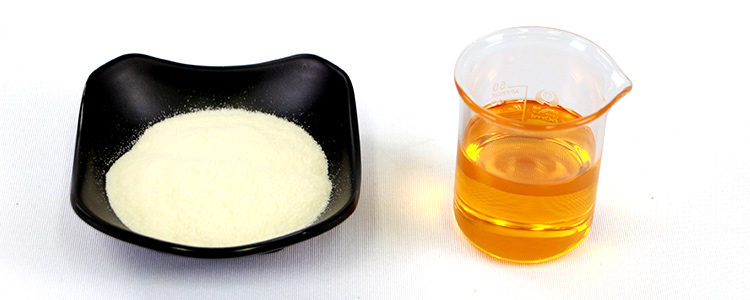
Rigorous quality control ensures every batch of DHA powder meets pharmaceutical-grade standards for potency and purity
Market Applications and Consumer Trends
DHA powder's versatility enables innovation across multiple high-growth categories. Understanding these applications helps you position products strategically and capture emerging opportunities.
High-Potential Product Categories
Consumer Preferences Driving Demand
Market research shows 68% of supplement buyers prioritize "clean label" ingredients, 54% prefer plant-based sources, and 71% value third-party testing for purity. Algal DHA powder checks all three boxes—making it a strategic choice for brands targeting discerning, health-literate consumers.
Additionally, the global omega-3 ingredients market is projected to reach $4.8 billion by 2027, with algal DHA growing at 14.2% CAGR—outpacing traditional fish oil. Early adoption of high-quality algal DHA positions your brand at the forefront of this premium segment.
Frequently Asked Questions
DHA and EPA are both omega-3 fatty acids with complementary benefits. DHA concentrates in brain and retinal tissue, making it ideal for cognitive and visual health applications. EPA is more associated with cardiovascular and anti-inflammatory support. For brain/eye formulas, prioritize DHA (or use a DHA-dominant blend). Ahualyn offers both algal DHA powder and balanced DHA/EPA blends to match your product goals.
Yes. Multiple clinical studies confirm that algal DHA is equally or more bioavailable than fish oil DHA. The microencapsulation process used in premium DHA powders may even enhance absorption by protecting fatty acids from gastric degradation. Blood level studies show equivalent increases in plasma DHA following supplementation with algal versus marine sources.
Absolutely. Algal DHA is inherently vegan, non-GMO, and free from the top 14 allergens (including fish, shellfish, soy, and gluten). Ahualyn's algal DHA powder is certified vegan by Vegan Action and produced in a facility with dedicated allergen controls, making it ideal for clean-label, inclusive product lines.
Dosing depends on your target population: prenatal/infant formulas typically provide 100-200 mg DHA per serving; adult cognitive support products use 200-500 mg; senior eye health formulas often combine 250-500 mg DHA with other macular pigments. Always align doses with clinical evidence and regulatory guidelines for your target markets.
While microencapsulated DHA powder is highly stable, optimal handling extends shelf life: store in a cool, dry place below 25°C (77°F), protect from direct light and moisture, and use sealed containers after opening. For large-scale manufacturing, Ahualyn provides detailed handling guidelines and stability data to support your quality systems.
Ready to Develop Premium DHA-Powered Products?
Partner with Ahualyn for pharmaceutical-grade algal DHA powder, custom concentration options, and expert formulation support. Our ingredients meet global regulatory standards and deliver the quality your brand deserves.
Request DHA Specifications & Samples


