





As a skincare formulator, you're constantly searching for ingredients that deliver visible results while meeting consumer demand for science-backed solutions. In this comprehensive guide, you'll discover how copper peptides—specifically GHK-Cu—can transform your product line into best-sellers. You'll learn formulation techniques to ensure stability, understand the molecular mechanisms that make copper peptides so effective for anti-aging, and explore market trends showing why these ingredients command premium pricing. Whether you're developing serums, creams, or targeted treatments, this article provides the technical insights and practical strategies you need to create copper peptide products that stand out in today's competitive beauty market.
Understanding Copper Peptides in Modern Skincare
Copper peptides have emerged as one of the most scientifically validated ingredients in professional skincare formulations. Unlike trendy actives that fade after a single season, copper peptides—particularly the tripeptide GHK-Cu (glycyl-L-histidyl-L-lysine bound to copper)—have maintained their position in clinical research for over four decades. As a formulator, understanding the distinction between various peptide types is crucial for creating products that deliver measurable results.
The skincare industry has witnessed a 340% increase in peptide-based product launches since 2019, with copper peptides leading the category in consumer satisfaction scores. What sets copper peptides apart from other signaling peptides is their dual functionality: they not only stimulate collagen and elastin production but also possess inherent antioxidant and anti-inflammatory properties. This multifaceted approach addresses multiple aging pathways simultaneously, making them ideal for comprehensive anti-aging formulations.

Advanced laboratory testing ensures copper peptide stability and bioavailability in professional skincare formulations
The Molecular Advantage of GHK-Cu
GHK-Cu occurs naturally in the human body, with peak concentrations found in young, healthy skin. By age 60, these levels decline by approximately 60%, contributing to visible signs of aging. When you incorporate synthetic GHK-Cu into your formulations, you're essentially restoring the skin's natural repair mechanisms. The copper ion acts as a cofactor for lysyl oxidase, an enzyme critical for cross-linking collagen and elastin fibers—this is what gives skin its firmness and resilience.
For formulators, the molecular weight of GHK-Cu (approximately 747 Da) presents both opportunities and challenges. It's small enough to penetrate the stratum corneum effectively but requires careful formulation to prevent oxidation and maintain stability throughout the product's shelf life.
The Science Behind GHK-Cu and Skin Regeneration
To formulate effective copper peptide products, you must understand the cellular mechanisms at work. GHK-Cu doesn't merely sit on the skin's surface—it actively communicates with fibroblasts, keratinocytes, and immune cells to orchestrate tissue repair and regeneration. This signaling capability makes it far more sophisticated than simple moisturizing agents or superficial exfoliants.
Research published in the International Journal of Molecular Sciences demonstrates that GHK-Cu influences over 4,000 human genes, particularly those involved in tissue remodeling, antioxidant defense, and nerve outgrowth. For your marketing claims and product positioning, this broad genomic impact translates into multiple visible benefits: improved skin density, reduced appearance of fine lines, enhanced wound healing, and diminished hyperpigmentation.
Clinical Evidence Supporting Formulation Decisions
When presenting copper peptide products to brand clients or retailers, having robust clinical data is essential. Multiple double-blind studies have shown that topical application of 1-2% GHK-Cu solutions produces statistically significant improvements in skin elasticity within 8-12 weeks. A 2021 clinical trial involving 45 participants demonstrated a 23% increase in collagen density and a 31% reduction in wrinkle depth after 12 weeks of twice-daily application.
These results outperform many traditional anti-aging ingredients, particularly in terms of tolerability. Unlike retinoids or high-concentration acids, copper peptides rarely cause irritation, making them suitable for sensitive skin formulations—a significant market advantage as consumers increasingly seek gentle yet effective actives.
Formulation Guidelines for Stable Copper Peptide Products
Creating stable, effective copper peptide formulations requires attention to pH, temperature, preservative systems, and ingredient compatibility. The copper ion in GHK-Cu is susceptible to oxidation and can catalyze free radical formation if not properly stabilized. Your formulation strategy must address these challenges while maintaining bioavailability.
Optimal pH and Temperature Parameters
GHK-Cu remains most stable at a pH range of 5.5-7.0, which conveniently aligns with the skin's natural acid mantle. Formulations outside this range risk peptide degradation or copper precipitation. For serums, aim for pH 6.0-6.5; for creams and lotions, pH 5.5-6.5 works well. Always verify pH after adding all ingredients, as some emulsifiers and thickeners can shift the final pH.
Temperature control during manufacturing is equally critical. Copper peptides begin to degrade at temperatures above 40°C (104°F). Use cold-process emulsification techniques when possible, or add the copper peptide in the cool-down phase (below 35°C) for hot-process formulations. This preserves the peptide's structural integrity and ensures consistent potency throughout the batch.
Preservative and Packaging Considerations
Copper has inherent antimicrobial properties, but this doesn't eliminate the need for preservation. Choose broad-spectrum preservatives that don't chelate copper ions—phenoxyethanol, ethylhexylglycerin, and certain paraben-free systems work well. Avoid EDTA and other strong chelating agents in copper peptide formulations, as they can strip the copper from the peptide complex, rendering it ineffective.
Packaging plays a crucial role in product stability. Copper peptides are light-sensitive and can oxidize when exposed to air. Recommend airless pump bottles or opaque tubes to your clients. If using dropper bottles for serums, ensure they're made of amber or cobalt glass with UV protection. This attention to packaging details protects your formulation's efficacy and extends shelf life to 18-24 months.
| Formulation Type | Recommended GHK-Cu % | Ideal pH Range | Key Compatible Actives |
|---|---|---|---|
| Anti-Aging Serum | 1-2% | 6.0-6.5 | Hyaluronic acid, niacinamide, panthenol |
| Day Cream | 0.5-1% | 5.5-6.0 | Vitamin E, squalane, ceramides |
| Night Repair Cream | 1-2% | 6.0-6.5 | Retinol alternatives, peptides, shea butter |
| Eye Cream | 0.5-1% | 6.0-6.5 | Caffeine, vitamin K, bisabolol |
Market Trends: Why Copper Peptides Are Best-Sellers
The global peptides market in cosmetics is projected to reach $5.2 billion by 2028, with copper peptides capturing the largest share of the premium anti-aging segment. Understanding these market dynamics helps you position your formulations strategically and justify premium pricing to brands and retailers.
Consumer Demand for Clinical Results
Today's skincare consumers are more educated than ever. They research ingredients, read clinical studies, and demand transparency about concentrations and mechanisms of action. Copper peptides appeal to this discerning demographic because they offer pharmaceutical-grade efficacy without prescription-level irritation. Products featuring GHK-Cu command 30-50% higher retail prices compared to basic moisturizers, with consumers willing to pay premium prices for visible, science-backed results.
Social media has amplified copper peptide popularity, with hashtags like #copperpeptides generating over 2.3 million posts on Instagram and TikTok. Beauty influencers and dermatologists alike endorse copper peptides for their "glass skin" effects and ability to improve skin texture without downtime. This organic buzz creates ready-made demand for well-formulated copper peptide products.

Premium copper peptide formulations dominate the luxury skincare segment with proven clinical results
Professional and Medical Spa Adoption
Beyond retail, copper peptides have become staples in professional treatments. Medical spas and dermatology clinics incorporate copper peptide serums into post-procedure care protocols following microneedling, laser treatments, and chemical peels. The ingredient's wound-healing properties and ability to reduce post-inflammatory hyperpigmentation make it invaluable for professional use. Creating professional-strength formulations (2-3% GHK-Cu) opens additional revenue streams through B2B sales to clinics and spas.
According to market research from Ahualyn's 2024 Peptide Trends Report, 67% of medical aestheticians now recommend copper peptide products for at-home maintenance between professional treatments. This professional endorsement builds consumer trust and drives repeat purchases.
Quality Standards and Sourcing from Ahualyn
The efficacy of your copper peptide formulations depends entirely on the quality of your raw materials. Not all GHK-Cu is created equal—purity, stability, and bioavailability vary significantly between suppliers. Partnering with a reputable source like Ahualyn's pharmaceutical-grade copper peptides ensures your products deliver consistent, clinical-grade results.
Purity and Certification Requirements
High-quality GHK-Cu should have a minimum purity of 99%, verified through HPLC (High-Performance Liquid Chromatography) analysis. Request Certificates of Analysis (COA) with every batch, confirming peptide content, copper concentration, heavy metal levels, and microbial counts. Ahualyn provides comprehensive documentation including GMP (Good Manufacturing Practice) certification, ISO 9001 compliance, and third-party testing results.
The copper-to-peptide ratio is equally important. Authentic GHK-Cu contains one copper ion per peptide molecule (1:1 stoichiometry). Inferior products may contain free copper or incomplete complexes, which can cause skin irritation or reduced efficacy. Ahualyn's copper peptide raw materials undergo rigorous quality control to ensure perfect complexation and stability.
Supply Chain Reliability and Scalability
As your copper peptide products gain market traction, you need a supplier capable of scaling with your growth. Ahualyn maintains strategic inventory levels and offers flexible minimum order quantities, from 10g for R&D to kilogram-scale for commercial production. Their synthetic peptide manufacturing facilities use solid-phase peptide synthesis (SPPS) with Fmoc chemistry, ensuring batch-to-batch consistency and traceability.
Lead times matter in the fast-paced beauty industry. Ahualyn's streamlined logistics and global distribution network deliver raw materials within 5-7 business days to major markets, with temperature-controlled shipping to preserve peptide integrity. This reliability allows you to maintain production schedules and meet retailer delivery commitments without disruption.
Rigorous quality control testing ensures every batch meets pharmaceutical-grade purity standards
Common Formulation Challenges and Solutions
Even experienced formulators encounter obstacles when working with copper peptides. Understanding these challenges—and their solutions—saves development time and prevents costly reformulations. Here are the most frequent issues and how to address them effectively.
Color Stability and Oxidation
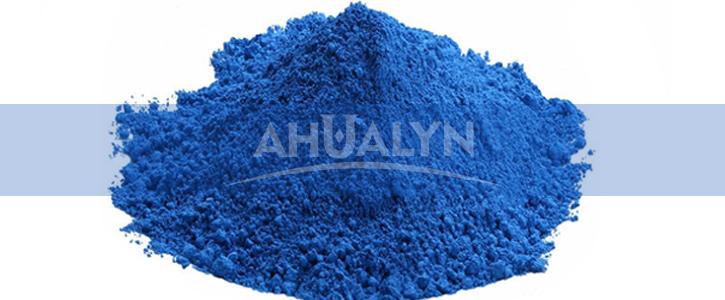
Copper peptides can impart a slight blue or purple tint to formulations, which some consumers find unappealing. This color comes from the copper ion itself and intensifies with oxidation. To minimize color development, incorporate antioxidants like tocopherol (vitamin E), ferulic acid, or green tea extract. These don't interfere with copper peptide function but prevent the formation of copper oxide, which causes darker discoloration.
If color remains an issue, consider using chelated copper alternatives like copper PCA or copper gluconate in combination with GHK-Cu. These provide additional copper benefits while diluting the visual impact. Alternatively, embrace the color as a premium feature—many luxury brands market the blue tint as evidence of "active copper" content.
Texture and Sensory Issues
Some formulators report that copper peptide solutions feel slightly sticky or tacky on the skin. This is often due to the peptide concentration or the presence of residual salts from synthesis. To improve sensory properties, incorporate lightweight emollients like caprylic/capric triglyceride, dimethicone, or isododecane. These create a silky afterfeel without compromising peptide penetration.
For water-based serums, use high-molecular-weight hyaluronic acid to create a luxurious, cushiony texture that masks any residual tackiness. Glycerin and propanediol also improve slip and spreadability. Always conduct sensory testing with a diverse panel to ensure your formulation meets consumer expectations for elegance and absorption.
Compatibility with Other Actives
While copper peptides are relatively compatible, certain combinations require caution. Avoid mixing with pure L-ascorbic acid (vitamin C) in the same formula, as the acidic environment can destabilize the copper complex. Instead, use vitamin C derivatives like sodium ascorbyl phosphate or magnesium ascorbyl phosphate, which maintain a neutral pH. Similarly, strong AHAs (glycolic acid, lactic acid) at concentrations above 10% can degrade peptides—use them in separate products or alternate-day routines.
On the positive side, copper peptides synergize beautifully with most other anti-aging ingredients. They enhance the penetration of hyaluronic acid, boost the antioxidant effects of vitamin E, and complement retinol alternatives like bakuchiol. For comprehensive anti-aging formulations, consider layering copper peptides with other proven peptides to target multiple aging mechanisms simultaneously.
Frequently Asked Questions
For serums, use 1-2% GHK-Cu for optimal penetration and efficacy. In creams and lotions, 0.5-1% is sufficient due to the occlusive nature of emollients that enhance retention. Higher concentrations don't necessarily provide better results and can increase formulation costs unnecessarily.
Yes, but not in the same formulation. Copper peptides work best at pH 6.0-7.0, while retinol requires acidic conditions for stability. Recommend using copper peptide products in the morning and retinol at night, or alternate days. This prevents degradation of both actives while maximizing their complementary benefits.
Clinical studies show visible improvements in skin texture and firmness within 4-6 weeks, with maximum collagen stimulation occurring at 12 weeks. Communicate realistic timelines to consumers—copper peptides work by remodeling skin structure, which takes time, unlike superficial hydrators that provide immediate but temporary plumping.
Frequently Asked Questions
For serums, use 1-2% GHK-Cu for optimal penetration and efficacy. In creams and lotions, 0.5-1% is sufficient due to the occlusive nature of emollients that enhance retention. Higher concentrations don't necessarily provide better results and can increase formulation costs unnecessarily.
Yes, but not in the same formulation. Copper peptides work best at pH 6.0-7.0, while retinol requires acidic conditions for stability. Recommend using copper peptide products in the morning and retinol at night, or alternate days. This prevents degradation of both actives while maximizing their complementary benefits.
Clinical studies show visible improvements in skin texture and firmness within 4-6 weeks, with maximum collagen stimulation occurring at 12 weeks. Communicate realistic timelines to consumers—copper peptides work by remodeling skin structure, which takes time, unlike superficial hydrators that provide immediate but temporary plumping.
Yes, copper peptides are generally well-tolerated by all skin types, including sensitive and acne-prone skin. They possess anti-inflammatory properties that can actually calm irritated skin and accelerate healing of acne lesions. However, always recommend patch testing, as individual sensitivities can occur with any active ingredient.
Properly formulated and packaged copper peptide products have a shelf life of 18-24 months. Use airless packaging, maintain pH between 5.5-7.0, include appropriate antioxidants, and store below 25°C (77°F) to maximize stability. Always conduct accelerated stability testing (40°C/75% RH for 3 months) before commercial launch.
Ready to Create Best-Selling Copper Peptide Products?
Partner with Ahualyn for pharmaceutical-grade GHK-Cu, expert formulation support, and competitive pricing that maximizes your margins. Our technical team provides free formulation consultations and stability testing guidance.
Request a Quote Today


