🔬 What you will discover in this guide: As a B2B formulator, R&D specialist, or procurement manager, you need precise technical knowledge about Carbopol (Carbomer) polymers. This guide explains the differences between major grades—940, 980, 676, U10, U20, 934—and their rheological profiles, application suitability (personal care, pharma, industrial), and formulation tips. You’ll also learn how to select the right grade, interpret technical specs, and source consistently high-quality Carbomer through trusted partners like Ahualyn.

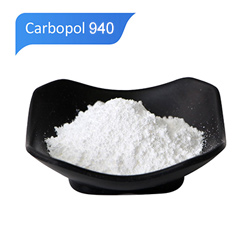
Figure 1: Carbopol/Carbomer family — acrylic polymers widely used in rheology modification across industries.
1. Carbopol / Carbomer: what are they and why do they matter?
Carbopol and its INCI name Carbomer refer to cross-linked polyacrylic acid polymers. These high-molecular-weight materials are renowned for their ability to swell in water and create crystal-clear gels, emulsions, and hydroalcoholic systems at very low concentrations (0.1–2%). For B2B manufacturers, Carbopol grades offer tailored viscosity, yield value, and electrolyte tolerance. Whether you produce hand sanitizers, pharmaceutical topical gels, or industrial coatings, selecting the right Carbomer directly impacts product stability, texture, and cost.
1.1 Why the correct grade matters for your formulation
Each Carbopol grade is engineered with specific cross-link density and molecular architecture. For instance, Carbopol 940 delivers extremely high viscosity and clarity, making it the go-to for transparent gels. Carbopol 980 offers similar viscosity but with improved resistance to ion-induced thinning. Meanwhile, Carbopol U20 is designed for easy dispersion and moderate viscosity in lotions. Understanding these nuances helps you avoid trial‑error batches and accelerates scale‑up. Ahualyn’s product portfolio includes all these pharmaceutical‑grade Carbomers with full technical dossiers.
2. Technical specifications: side‑by‑side comparison of key grades
Below is a detailed comparison of the most common Carbopol/Carbomer grades you’ll encounter. Use this table as a quick reference during raw material selection.
|
Grade (Carbomer)
|
Viscosity range (cP, 0.5% w/w)
|
Key characteristics
|
Primary B2B applications
|
|
Carbopol 940
|
40,000 – 60,000
|
Very high clarity, short flow, low electrolyte tolerance
|
Clear gels, hydroalcoholic hand sanitizers, high‑viscosity personal care
|
|
Carbopol 980
|
40,000 – 60,000
|
High clarity, improved salt tolerance, smooth feel
|
Facial serums, transparent styling gels, premium creams
|
|
Carbopol 676
|
3,000 – 11,000
|
Medium viscosity, easy wetting, cost‑effective
|
Body washes, shampoos, industrial detergents
|
|
Carbopol U10
|
10,000 – 20,000
|
Fast hydrating, excellent suspension, low/medium visc
|
Suspensions, liquid soaps, industrial coatings
|
|
Carbopol U20
|
20,000 – 30,000
|
Shear stable, good electrolyte compatibility
|
Hair conditioners, pharmaceutical creams, adhesives
|
|
Carbopol 934
|
30,500 – 39,400
|
High bioadhesion, very high gel strength
|
Ophthalmic gels, topical pharmaceuticals, mucoadhesive products
|
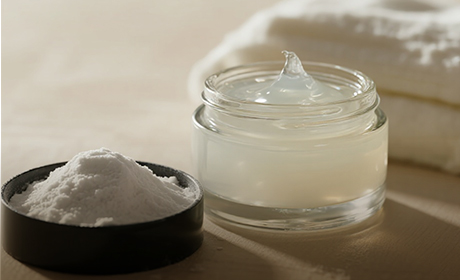
Figure 2: Finished products enabled by Carbopol — from crystal‑clear hand sanitizers (940/980) to stable emulsions (U20/676).
3. Industry applications: where Carbomer excels
Your B2B customers operate in diverse segments. Here’s how different grades serve each industry:
3.1 Personal care & cosmetics
Carbopol 940 and Carbopol 980 dominate high‑end transparent gels and serums. If you manufacture styling gels or facial masks, these grades provide the “short flow” texture consumers love. For body washes and shampoos, Carbopol 676 offers cost‑efficient thickening with surfactant compatibility. Ahualyn’s OEM formulation support can help you adapt these polymers to your specific preservative or active systems.
3.2 Pharmaceutical & medical
Carbopol 934 and pharmaceutical‑grade Carbomer (e.g., 974P) are widely used in topical gels, ophthalmic preparations, and controlled‑release tablets due to their bioadhesion and purity. If you supply to EU or FDA markets, you need documentation on residual solvents and microbiology. Ahualyn’s regulatory services ensure every batch meets Pharmacopoeia standards (USP/NF, Ph.Eur.).
3.3 Industrial & household
For paints, adhesives, or detergents, grades like Carbopol U10 and U20 provide efficient rheology modification even with high electrolyte loads. Their easy dispersibility reduces production time.
🧪 Ahualyn recommended: full‑spectrum Carbomer (Carbopol) grades for B2B
Ahualyn supplies high‑purity Carbomer powders (INCI: Carbomer) equivalent to Lubrizol’s legacy grades: 940, 980, 676, U10, U20, 934 and also 974P. Each batch is tested for viscosity, clarity, and heavy metals. We offer:
-
✅ USP/EP grade Carbomer – with certificate of analysis and stability data.
-
✅ Custom particle sizing (e.g., fine mesh for rapid dispersion).
-
✅ Blends & pre‑neutralized dispersions available via Ahualyn OEM.
-
✅ Regulatory documentation for cosmetic, pharma, and industrial export.
Contact our technical team to request samples or compare specifications — we help you select the optimal grade for your end product.
4. How to select the right Carbomer grade: a step‑by‑step approach
When you face a new formulation project, follow this decision tree:
-
Define desired viscosity: High (40,000+ cP) → 940/980/934; Medium (10,000–30,000) → U20/U10; Low (<10,000) → 676.
-
Check clarity requirement: If you need absolute transparency, choose 940 or 980. For opaque creams, 934 or U20 are suitable.
-
Evaluate electrolyte compatibility: For systems containing salts or active ions, U20 or 676 outperform 940/934.
-
Consider bioadhesion: For mucosal applications (vaginal, ophthalmic), 934 is the classic choice.
-
Scale‑up & dispersion: U10/U20 hydrate quickly with minimal mixing; 940/980 may require higher shear or pre‑dispersion in humectants.
Need guidance? Ahualyn’s technical support team can review your formulation and recommend the most cost‑effective Carbomer grade.
5. Sourcing strategy: why quality & consistency matter
For B2B buyers, a single out‑of‑spec shipment can halt production. When you source Carbomer through Ahualyn, you benefit from:
-
Direct manufacturer partnerships – audited facilities with ISO 9001 & GMP.
-
Full traceability – from raw monomer to finished powder.
-
Global logistics with climate‑controlled containers and regional warehousing (USA, Europe, Asia).
We also offer vendor‑managed inventory programs for high‑volume customers. Explore our sourcing services to secure your Carbomer supply chain.
❓ B2B FAQ: Carbopol / Carbomer sourcing & technical
1. Are Carbopol and Carbomer exactly the same?
Carbopol® is the trademarked brand from Lubrizol, while Carbomer is the INCI name for the generic polymer. Most Carbopol grades (940, 980, 934) are Carbomers. Ahualyn supplies equivalent Carbomer powders that match the performance of original Carbopol grades, backed by comparable technical data.
2. What is the MOQ for Carbomer 940 or 980 from Ahualyn?
We accommodate B2B orders from 25 kg sample packs to full container loads (typically 500 kg – 1000 kg per pallet). For R&D quantities, we offer smaller trial sizes.
Request a quote with your required volume and target price.
3. Do you supply pharmaceutical‑grade Carbomer for ophthalmic use?
Yes, we provide highly purified Carbomer (e.g., grades corresponding to 934P, 974P) with low residual solvent and endotoxin control, suitable for ophthalmic and mucosal formulations. Each batch includes a Certificate of Analysis compliant with USP/NF monographs.
4. Can Ahualyn help with custom Carbomer blends or pre‑neutralized gels?
Absolutely. Through our
OEM/ODM services, we can prepare pre‑neutralized Carbomer dispersions, blends with humectants, or combination with preservatives to simplify your manufacturing. Just share your target viscosity and pH.
5. What documentation do you provide for customs and regulatory approval?
We supply Commercial Invoice, Packing List, Certificate of Origin, MSDS, and a detailed Certificate of Analysis (including viscosity, pH, heavy metals, microbial counts). For pharma imports, we can also provide GMP statements and stability summaries upon request.
📚 Authoritative sources & industry references: The technical data in this guide is compiled from the United States Pharmacopeia (USP–NF) monograph for Carbomer, the European Pharmacopoeia (Carbomers 01/2008:1292), Lubrizol’s published technical bulletins (TDS‑237, TDS‑244), and peer‑reviewed formulation studies from the Journal of Controlled Release and Cosmetics & Toiletries science archives. Trade data and sourcing best practices reflect Ahualyn’s 15+ years of B2B raw material supply.
📄 Ready to secure premium Carbomer?
Request a custom quote for Carbopol-equivalent grades 940, 980, 676, U10, U20, 934 — tailored to your viscosity and regulatory needs.
Get Your Custom Quote →
Samples, CoA, and technical consultation included.

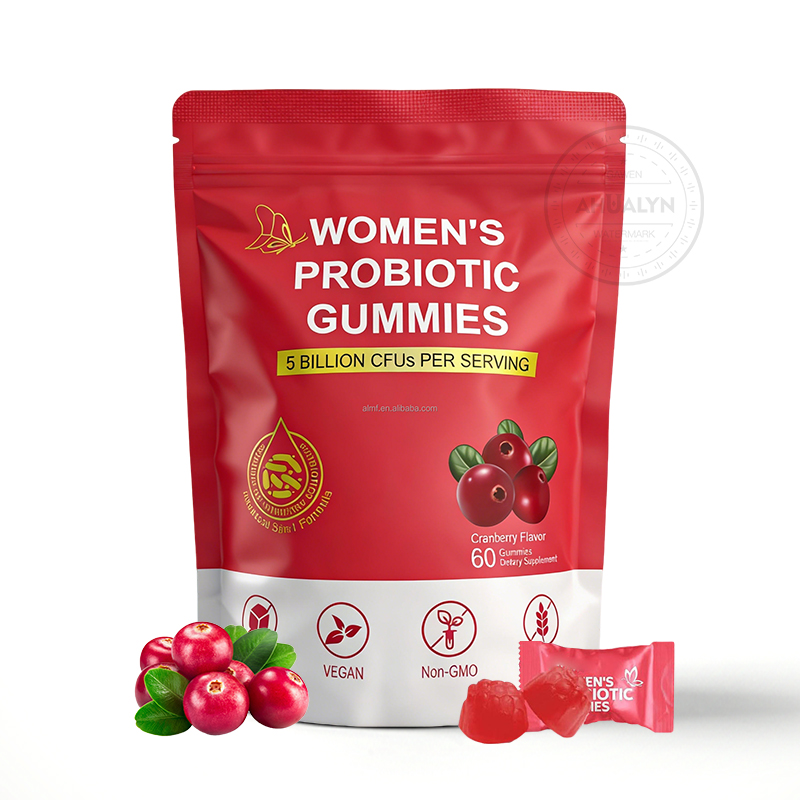 Women's Probiotic Gummies 60 Count
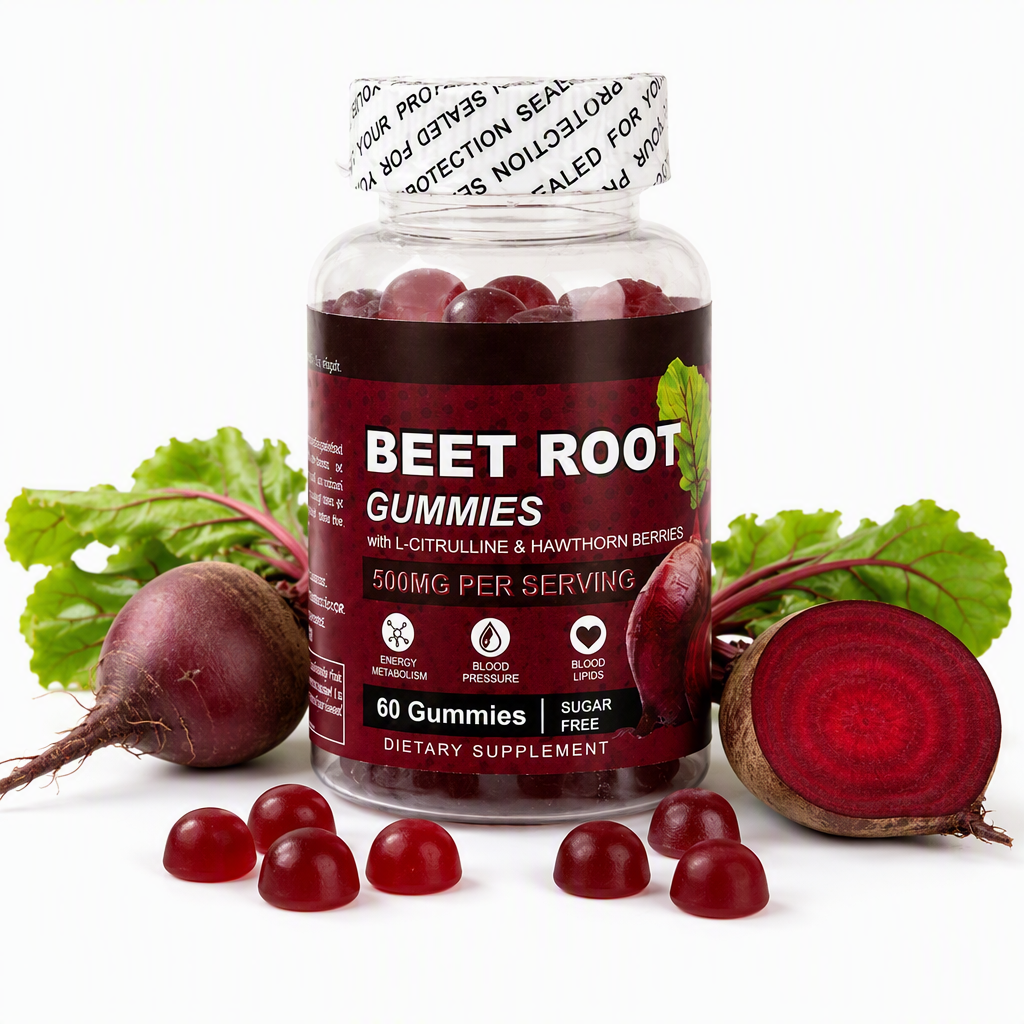 Beet Root Gummies
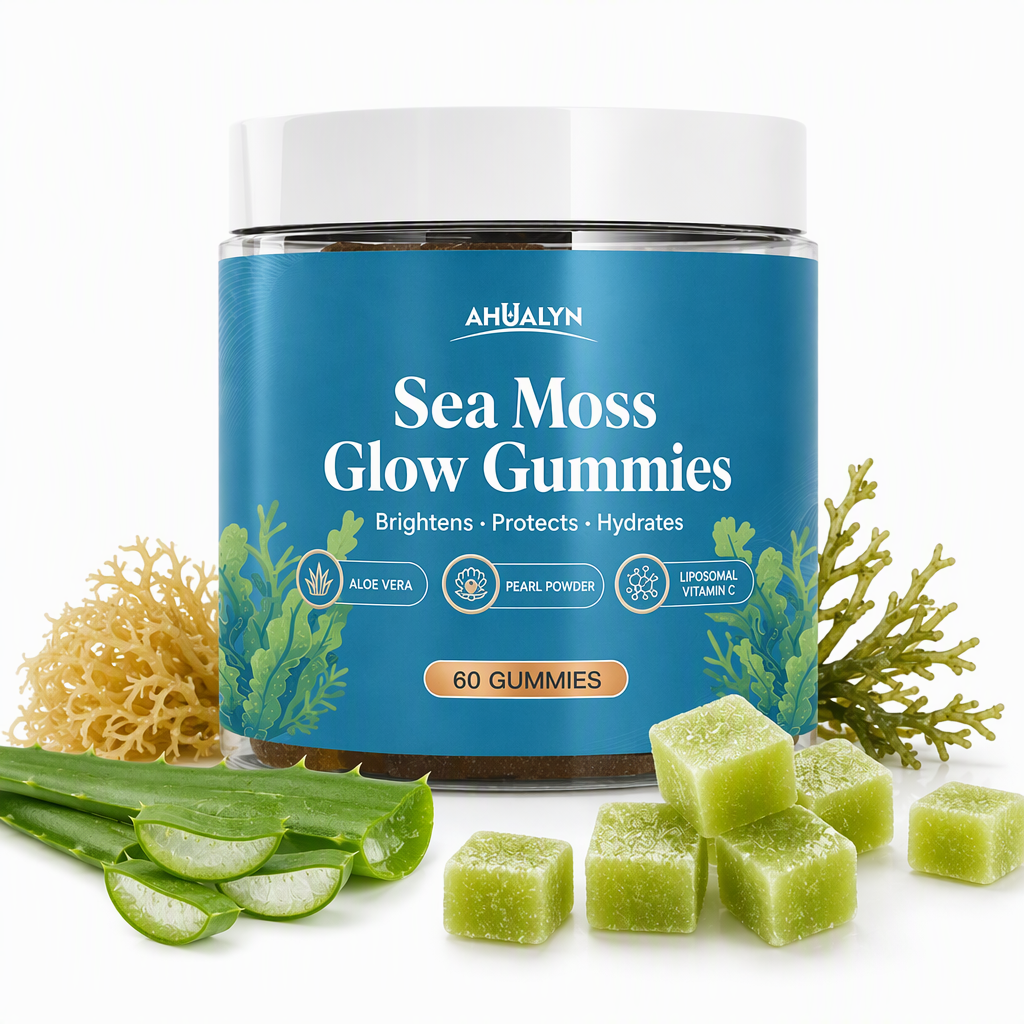 3-in-1 Sea Moss Glow Gummies
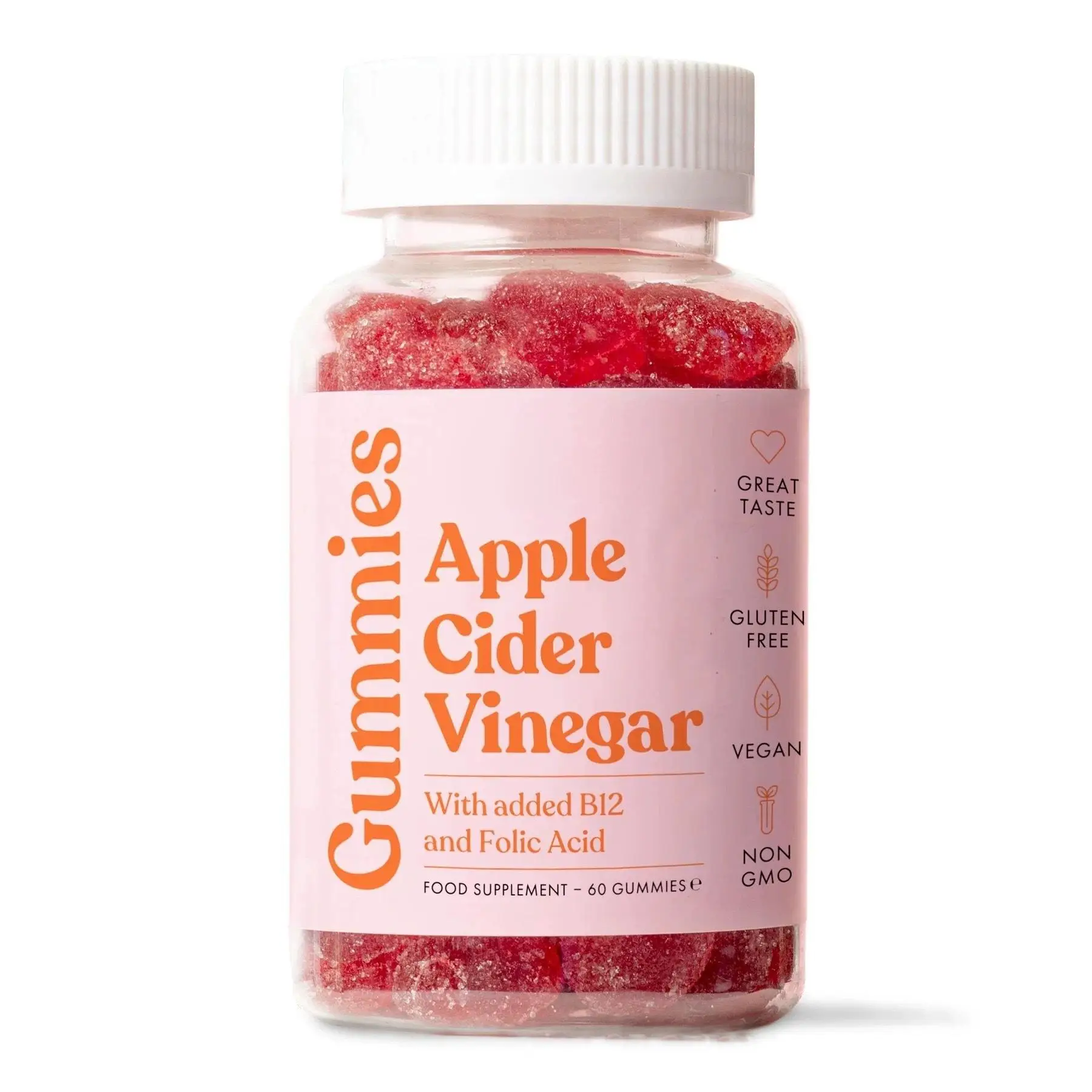 Apple Cider Vinegar Gummies
 Greens Daily Gummies
 Spicy Cubes Hot Peach Gummies
 Cold-Pressed Black Seed Oil 500mg
 OEM Body Deodorizing Capsules
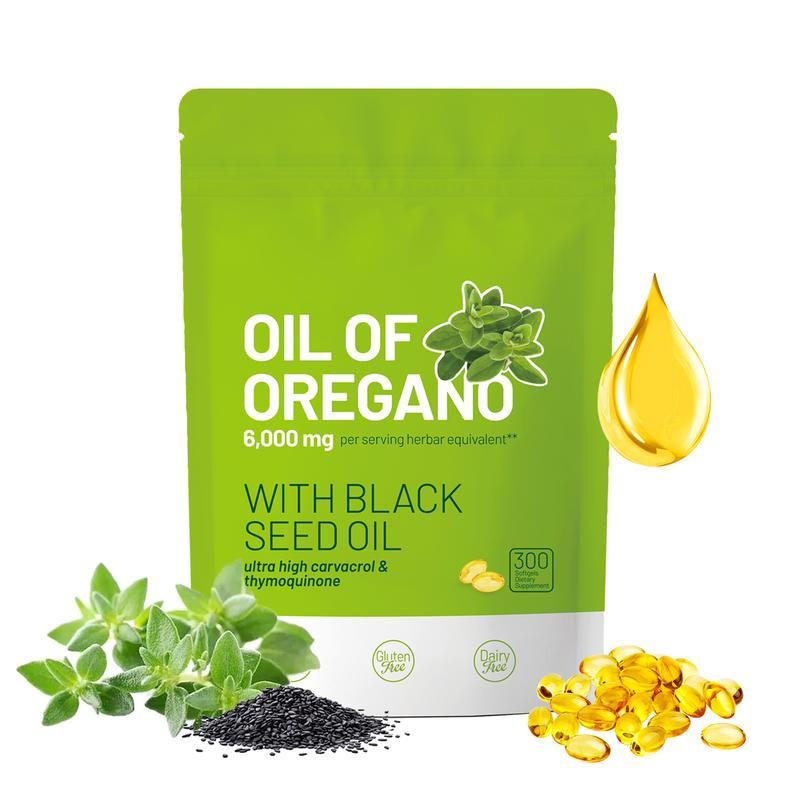 Oil of Oregano with Black Seed Oil
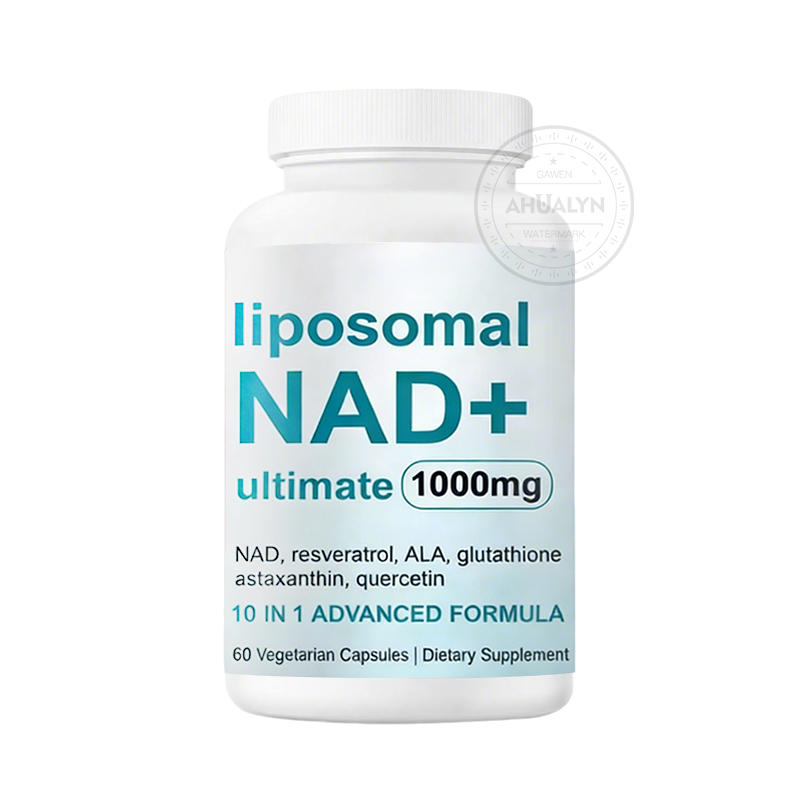 NAD+ Supplement Capsules
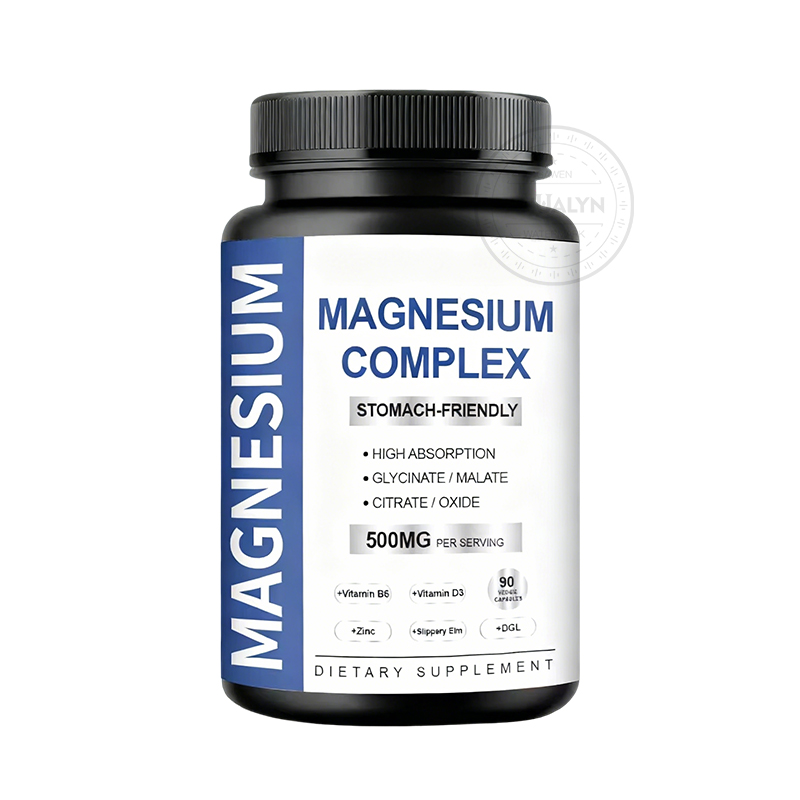 Magnesium Complex Capsules
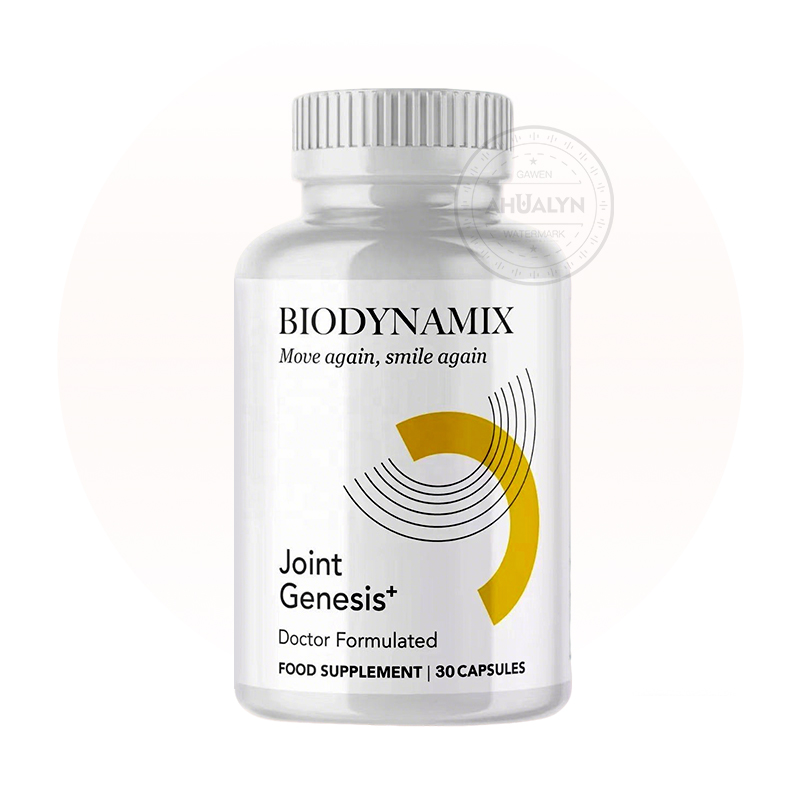 BIODYNAMIX Joint Genesis Capsules
 Collagen Matcha Latte
 Beauty Milk Collagen Drink
 Pure MACA + Aguaje Mixture Powder
 Mushroom Coffee - 10-in-1 Functional Blend
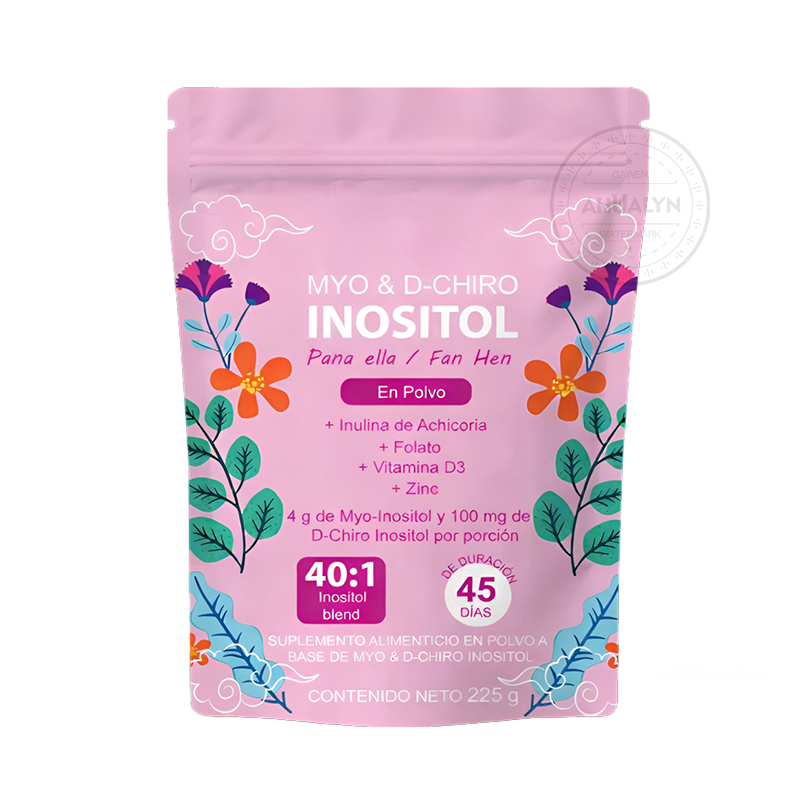 Myo & D-Chiro Inositol Powder 40:1
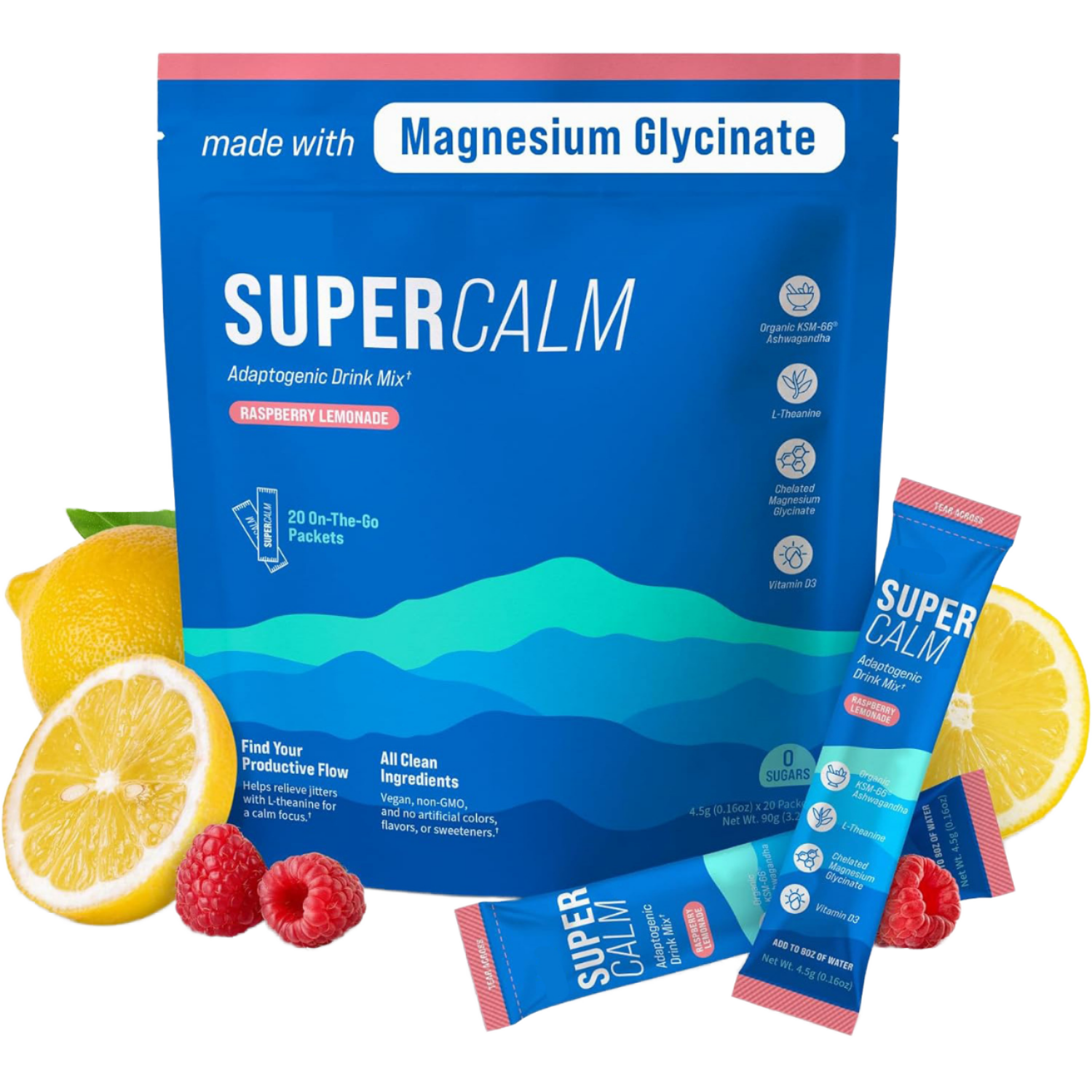 Super Calm Magnesium Powder Supplement
 Food Grade Sodium Hyaluronate
 Cross-linked Sodium Hyaluronate
 D-panthenol
 γ-Polyglutamic Acid
 Allantoin
 Alpha Arbutin
 Beta Arbutin
 Kojic Acid
 Kojic Acid Dipalmitate
 3-o Ethyl Ascorbic Acid
 Ascorbyl Glucoside
 β-Nicotinamide Mononucleotide(NMN)
 β-Nicotinamide Mononucleotide(NMN)
 Nicotinamide Adenine Dinucleotide(NAD+)
 Glutathione
 Coenzyme Q10
 Pyrroloquinoline Quinone(PQQ)
 Chondroitin Sulfate
 Methyl Sulfonyl Methane
 Glucosamine Hydrochloride
 Glucosamine Sulfate Potassium Chloride
 N-Acetyl-D-Glucosamine
 Vitamin K2