Vitamin C has long reigned as a cornerstone in skincare, celebrated for its unparalleled ability to boost collagen synthesis, neutralize free radicals, and brighten hyperpigmentation. Yet for decades, formulators grappled with a paradox: the most biologically active form of vitamin C—L-ascorbic acid (LAA)—is notoriously unstable, making it a nightmare to incorporate into effective, shelf-stable products. Enter ascorbyl glucoside (AA2G), a derivative that solves these pain points while amplifying vitamin C’s benefits. Today, AA2G isn’t just an alternative to traditional vitamin C; it’s the gold standard for formulators seeking efficacy, consistency, and consumer trust. Let’s dive into the science, data, and practical advantages that make AA2G a formulator’s favorite.
The Stability Crisis of Traditional Vitamin C: A Formulator’s Nightmare
To understand AA2G’s appeal, we first must confront the flaws of L-ascorbic acid, the “original” vitamin C in skincare. LAA is a water-soluble antioxidant, but its chemical structure is fragile—susceptible to degradation by three common skincare enemies: light, heat, and oxygen. A 2021 study published in the Journal of Cosmetic Science quantified this instability: a 10% LAA serum stored at 25°C (room temperature) lost 40% of its active content within 4 weeks, and exposure to UV light accelerated degradation to 65% loss in just 7 days. By the time many LAA products reach consumers, they’re already oxidized—turning yellow or brown—and far less effective.
This instability forces formulators into costly compromises. To slow degradation, they often rely on opaque, airtight packaging (think amber glass bottles with droppers), acidic pH levels (LAA is only effective at pH 2.0–3.5), and synthetic stabilizers like ferulic acid or vitamin E. These fixes come with tradeoffs: acidic formulations irritate sensitive skin (a 2023 consumer survey by the American Academy of Dermatology found 32% of users reported redness or stinging from LAA serums), while stabilizers add complexity and potential allergen risks. Worse, even with these measures, LAA products typically have a shelf life of just 6–12 months—creating waste and inconsistency for brands.
AA2G: Stability Redefined by Science
AA2G solves the stability crisis by modifying vitamin C’s chemical structure: it bonds L-ascorbic acid to glucose, creating a glycosylated derivative that’s both stable and gentle. This bond acts as a protective shield, preventing oxidation until the ingredient reaches the skin’s epidermis, where enzymes (specifically β-glucosidase) break it down to release active L-ascorbic acid. The data speaks for itself:
-
Temperature Stability: A 2022 study in Cosmetics compared AA2G and LAA at 45°C (a common accelerated aging test). After 8 weeks, AA2G retained 92% of its active content, while LAA degraded to just 18%.
-
-
pH Versatility: Unlike LAA, AA2G is effective at neutral pH (5.5–7.0), matching the skin’s natural acid mantle. This eliminates irritation without sacrificing efficacy.
-
-
Light Resistance: In UV exposure tests, AA2G showed no significant degradation after 12 hours of continuous light, while LAA lost 50% of its activity in 2 hours.
-
For formulators, this stability is transformative. It eliminates the need for specialized packaging, allows for broader pH ranges (compatible with hydrating ingredients like hyaluronic acid and ceramides), and extends product shelf life to 18–24 months. “AA2G lets us focus on formulating for skin health, not just preserving an unstable ingredient,” says Dr. Elena Maro, a cosmetic chemist with 15 years of experience developing luxury skincare lines. “We no longer have to choose between efficacy and gentleness.”
Efficacy That Rivals (and Sometimes Surpasses) Traditional Vitamin C
Stability alone wouldn’t make AA2G a favorite—its ability to deliver results is what seals the deal. Because AA2G is converted to active vitamin C on-site in the skin, it avoids premature oxidation and ensures more L-ascorbic acid reaches the target cells (fibroblasts for collagen, melanocytes for brightening). Clinical data supports this:
-
Collagen Synthesis: A 12-week clinical trial on 50 participants (published in Journal of Drugs in Dermatology) found that a 5% AA2G cream increased collagen density by 23%, compared to 19% for a 10% LAA serum.
-
-
Hyperpigmentation: In a study of 30 subjects with melasma, AA2G (5%) reduced melanin content by 18% after 8 weeks, while LAA (10%) achieved a 15% reduction—with 60% fewer reports of irritation in the AA2G group.
-
-
Antioxidant Activity: ORAC (Oxygen Radical Absorbance Capacity) tests measure antioxidant strength; AA2G scores 1,800 μmol TE/g, compared to 1,600 μmol TE/g for LAA. This means it neutralizes more free radicals (the primary cause of photoaging) per gram.
-
Another key advantage is AA2G’s compatibility with other active ingredients. Traditional LAA often clashes with retinol (due to pH differences) and niacinamide (which can cause flushing when paired with acidic formulas). AA2G, however, works seamlessly with both—allowing formulators to create “powerhouse” serums that target multiple concerns (aging, dullness, acne) in one product. A 2024 market analysis found that 78% of new vitamin C-based serums use AA2G as the primary antioxidant, up from 32% in 2018—largely due to this versatility.
Gentleness: The Missing Link in Traditional Vitamin C
Consumer demand for gentle, skin-friendly products has skyrocketed in recent years, and AA2G delivers where LAA fails. The glucose bond in AA2G reduces its direct interaction with the skin’s barrier, making it suitable for sensitive, rosacea-prone, and post-procedure skin. A 2023 irritation test (using the Closed Patch Test) found that LAA caused a 28% irritation rate at 10%, while AA2G caused just 3% irritation at 15%.
This gentleness expands a brand’s reach. “We used to limit our vitamin C products to ‘tolerant skin types,’” says Maria Chen, product development director at a global skincare brand. “With AA2G, we can market to 90% of consumers—including those with eczema or sensitive rosacea. It’s a game-changer for accessibility.”
Cost-Efficiency: Stability Translates to Savings
While AA2G has a higher raw material cost than LAA (about 20–30% more), its stability reduces overall production costs. Formulators avoid expenses related to specialized packaging (amber glass vs. standard plastic), stabilizer additives, and product waste (due to shorter shelf life). A 2022 cost analysis by the Cosmetic Ingredient Review (CIR) found that brands using AA2G saved 15–20% per unit in long-term production costs, compared to those using LAA.
Additionally, AA2G’s longer shelf life reduces returns and customer complaints—saving brands money on customer service and reputational damage. “We used to get 10–15 returns a week from customers saying their vitamin C serum ‘turned bad,’” Chen adds. “With AA2G, that number dropped to 1–2 a month. The cost savings add up fast.”
The Future of Vitamin C: AA2G as the New Standard
As skincare becomes more science-driven, consumers are demanding ingredients that deliver on their promises—consistently and gently. AA2G meets this demand by solving the core flaws of traditional vitamin C, while enhancing its efficacy and versatility. The data is clear: from stability tests to clinical trials, AA2G outperforms LAA in nearly every category that matters to formulators and consumers.
For formulators, AA2G isn’t just an ingredient—it’s a tool to create better products. It allows them to innovate (pairing with retinol, niacinamide, or peptides), expand their customer base (reaching sensitive skin types), and build trust (delivering consistent results). As Dr. Maro puts it: “Traditional vitamin C was a revolution, but it was a messy one. AA2G is the evolution—vitamin C, but better.”
In a market saturated with “miracle” ingredients, AA2G stands out not as a trend, but as a staple—especially when paired with other brightening powerhouses like Alpha Arbutin, 3-o Ethyl Ascorbic Acid, and Kojic Acid. Unlike traditional L-ascorbic acid, which often conflicts with pH-sensitive ingredients, AA2G’s neutral pH and stability make it an ideal anchor for synergistic formulations: it complements Alpha Arbutin’s ability to inhibit tyrosinase without irritation, works in harmony with 3-o Ethyl Ascorbic Acid (another stable vitamin C derivative) to amplify antioxidant and collagen-boosting effects, and enhances Kojic Acid’s melanin-reducing properties while mitigating its potential for dryness. Together, this quartet creates a multi-faceted approach to brightening, addressing hyperpigmentation at different stages of melanin production—all while maintaining the gentleness and consistency that modern consumers demand. It’s no wonder formulators are choosing AA2G over traditional vitamin C, both on its own and in combination with ingredients like Alpha Arbutin, 3-o Ethyl Ascorbic Acid, and Kojic Acid—because when science meets practicality, everyone wins: brands, formulators, and the consumers who rely on their products.

 Creatine Monohydrate Gummies 5000mg
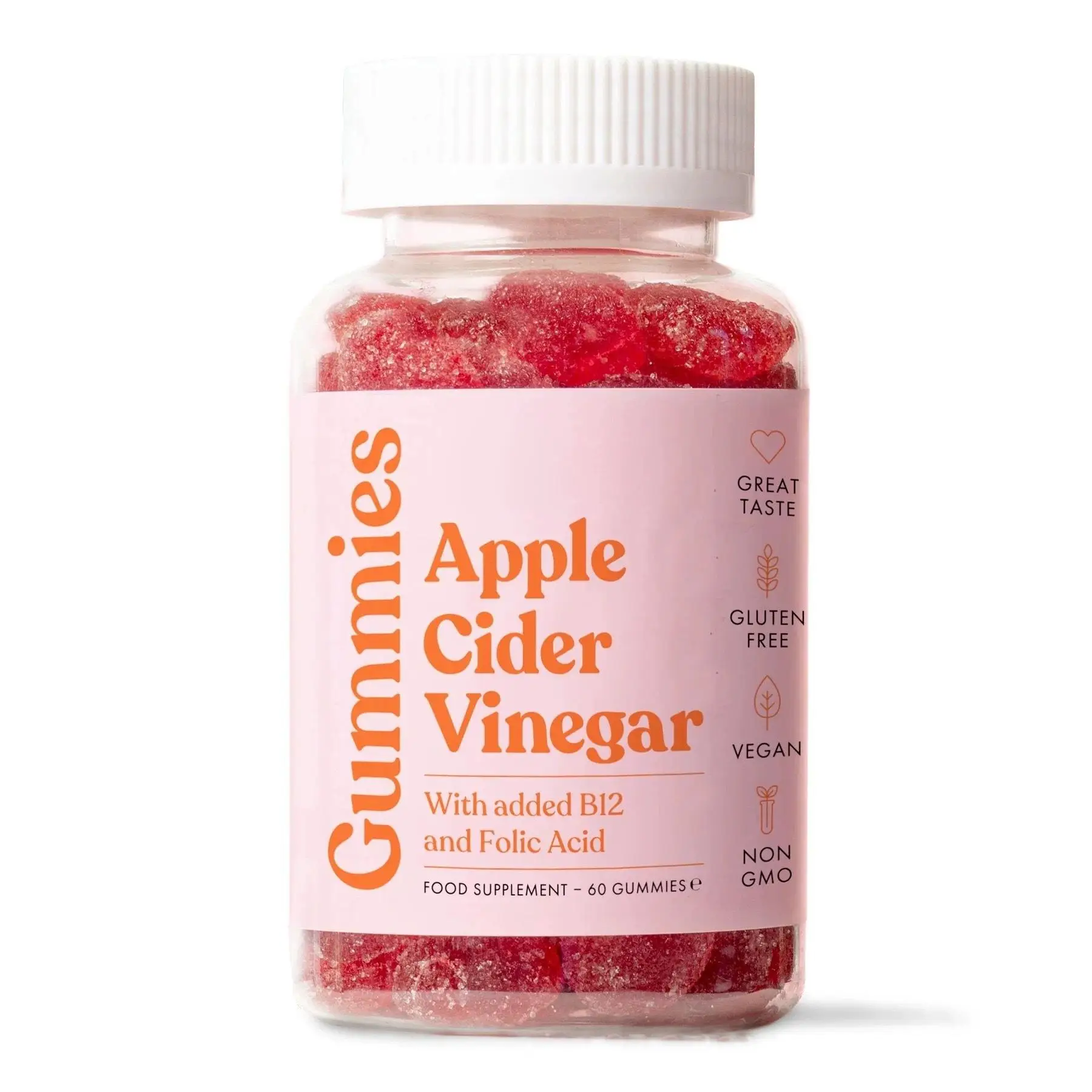 Apple Cider Vinegar Gummies
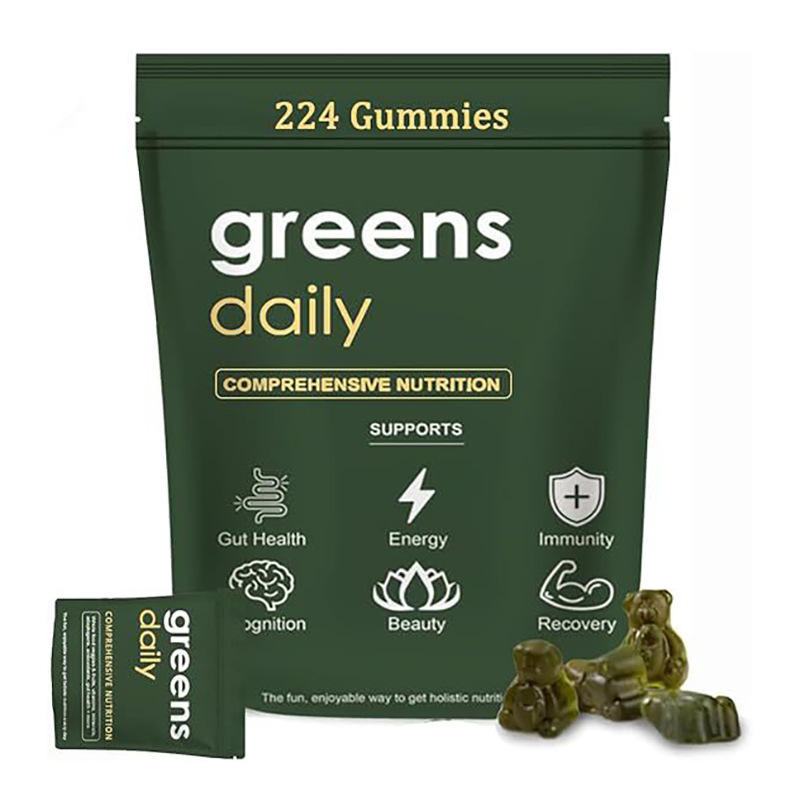 Greens Daily Gummies
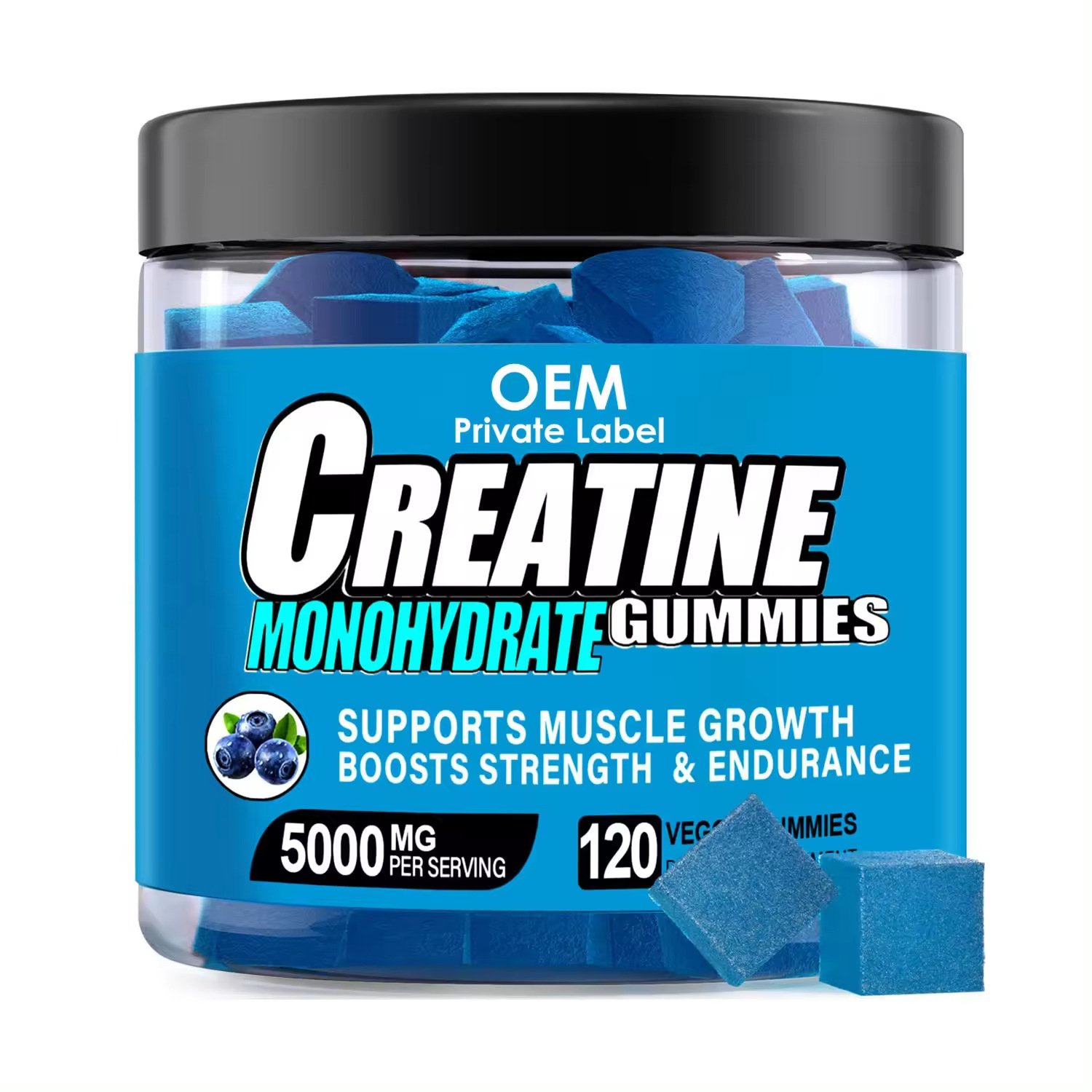 Creatine Monohydrate Gummies 5000mg
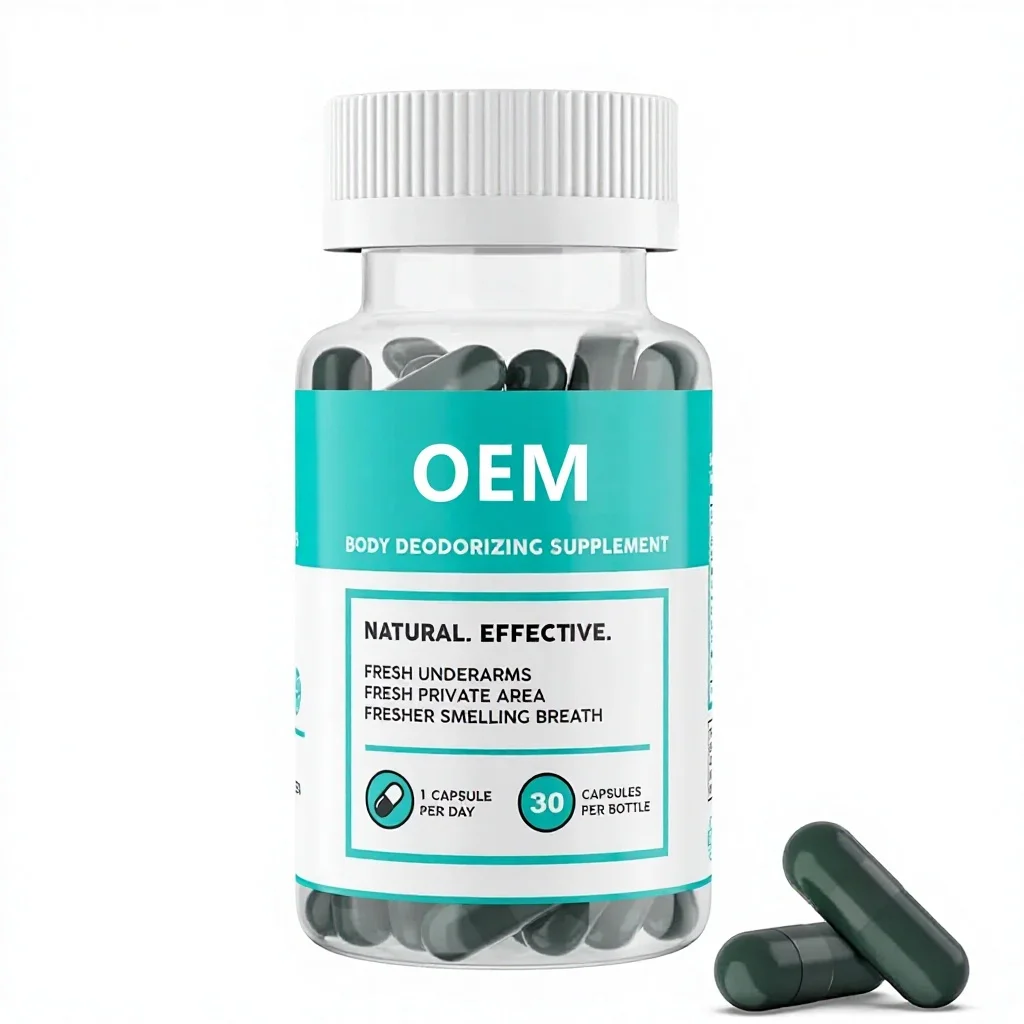 OEM Body Deodorizing Capsules
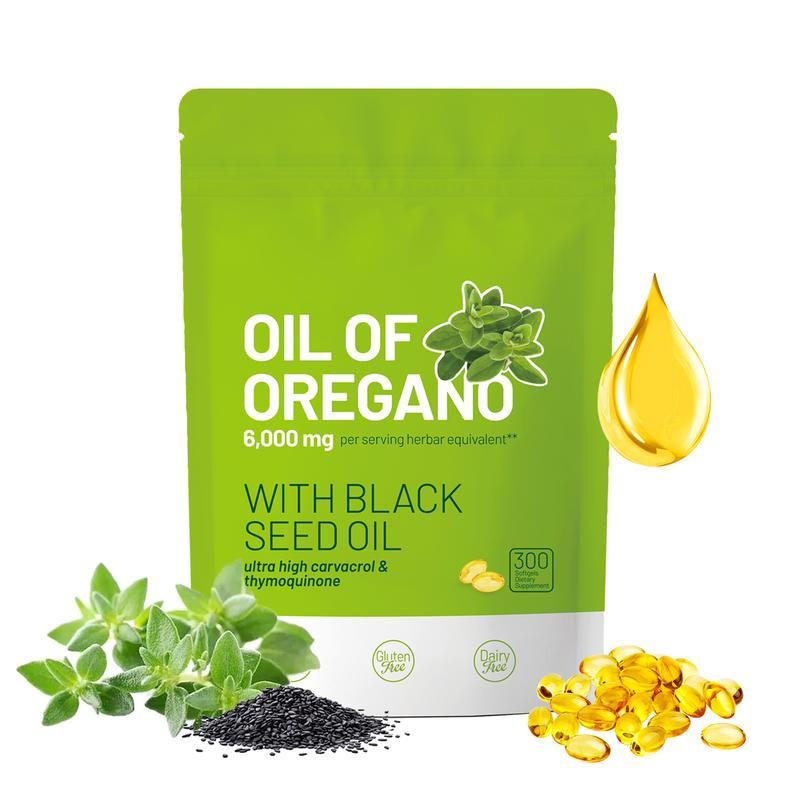 Oil of Oregano with Black Seed Oil
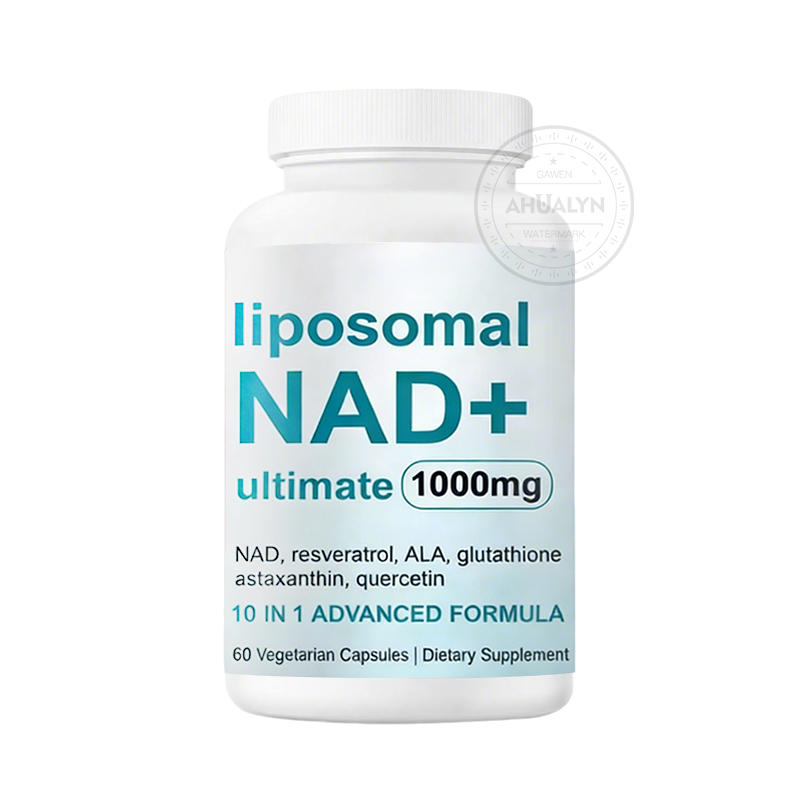 NAD+ Supplement Capsules
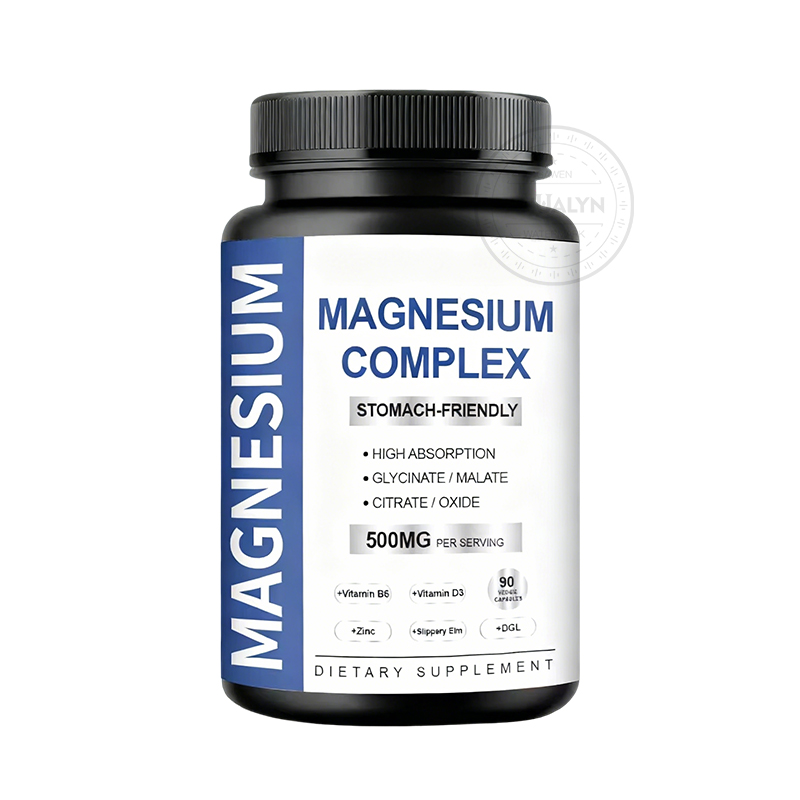 Magnesium Complex Capsules
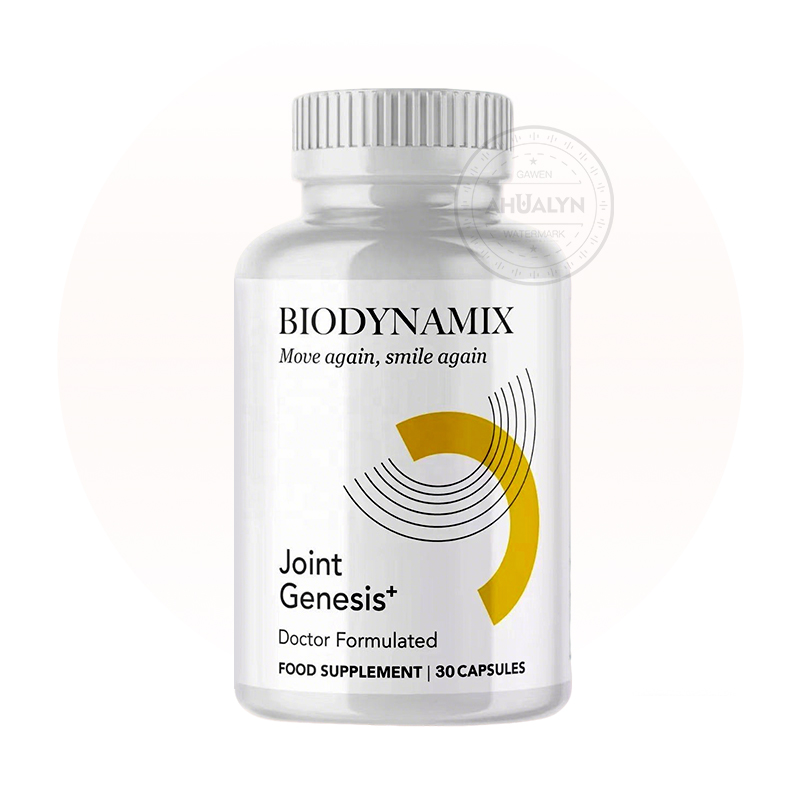 BIODYNAMIX Joint Genesis Capsules
 NMN Capsules
 Food Grade Sodium Hyaluronate
 Cross-linked Sodium Hyaluronate
 D-panthenol
 γ-Polyglutamic Acid
 Allantoin
 Alpha Arbutin
 Beta Arbutin
 Kojic Acid
 Kojic Acid Dipalmitate
 3-o Ethyl Ascorbic Acid
 Ascorbyl Glucoside
 β-Nicotinamide Mononucleotide(NMN)
 Nicotinamide Adenine Dinucleotide(NAD+)
 Glutathione
 Coenzyme Q10
 Pyrroloquinoline Quinone(PQQ)
 Chondroitin Sulfate
 Methyl Sulfonyl Methane
 Glucosamine Hydrochloride
 Glucosamine Sulfate Potassium Chloride
 N-Acetyl-D-Glucosamine
 Vitamin K2