Introduction
In an era where consumers demand clean-label, additive-free foods without sacrificing shelf life, nisin has emerged as a game-changing solution. Derived from the bacterium Lactococcus lactis, this natural peptide is revolutionizing food preservation by inhibiting harmful bacteria—all while avoiding the synthetic chemicals that many shoppers avoid. But what exactly is nisin? How does it work in food preservation, and is it safe for regular consumption? This guide dives into the science, uses, and safety of nisin, backed by research and industry expertise.
What Is Nisin?
Nisin is a naturally occurring antimicrobial peptide produced by strains of Lactococcus lactis, a gram-positive bacterium commonly found in fermented dairy products like cheese and yogurt. First identified in the 1920s, it’s classified as a “bacteriocin”—a substance made by bacteria to inhibit the growth of competing microbes.
Unlike synthetic preservatives (e.g., sodium benzoate or potassium sorbate), nisin is biodegradable, non-toxic, and recognized as “Generally Recognized as Safe (GRAS)” by the U.S. Food and Drug Administration (FDA) and the European Food Safety Authority (EFSA). Its unique mode of action targets the cell walls of gram-positive bacteria (such as Staphylococcus aureus, Listeria monocytogenes, and Clostridium botulinum), making it highly effective against foodborne pathogens and spoilage organisms.
Key Uses of Nisin: Beyond Food Preservation
While nisin is most famous for its role in food preservation, its versatility extends to multiple industries. Below are its primary applications, with a focus on food-related uses:
1. Food Preservation (Primary Use)
Nisin is added to a wide range of foods to extend shelf life and prevent bacterial growth:
• Dairy Products: Cheese (especially processed and soft cheeses) uses nisin to inhibit clostridia, which cause “late blowing” (gas formation) and spoilage. It also preserves yogurt, cream, and milk-based beverages without altering flavor.
• Meat & Poultry: Sausages, ham, and deli meats benefit from nisin’s ability to fight Listeria and Staphylococcus, reducing the risk of foodborne illness.
• Baked Goods: Bread, pastries, and pies use nisin to prevent mold and bacterial spoilage, extending freshness by 2–3 days.
• Plant-Based Foods: Vegan meats, soy milk, and fermented plant products rely on nisin as a natural alternative to synthetic preservatives.
2. Other Industrial Uses
• Pharmaceuticals: Nisin is used in topical creams and wound dressings to inhibit bacterial infections (e.g., MRSA) without promoting antibiotic resistance.
• Agriculture: It’s incorporated into animal feed to reduce pathogenic bacteria in livestock, improving food safety from farm to fork.
Nisin Safety: What Science Says
A common concern with food additives is safety—and nisin stands out for its excellent track record. Here’s the evidence:
GRAS Status & Regulatory Approval
• The FDA approved nisin as GRAS in 1988, allowing its use in food at concentrations up to 250 ppm (parts per million).
• The EFSA confirms that nisin is “not genotoxic, not carcinogenic, and does not cause adverse effects on reproduction or development” at recommended doses.
• International bodies like the World Health Organization (WHO) and Codex Alimentarius have also endorsed nisin as safe for all populations, including infants, pregnant women, and those with dietary restrictions.
Metabolism & Toxicity
Nisin is broken down in the human digestive system into amino acids—just like dietary protein. Unlike synthetic preservatives, it does not accumulate in the body or cause organ damage. Studies show that even high doses (10x the recommended level) do not trigger adverse effects like nausea, diarrhea, or allergic reactions.
Allergen Considerations
Nisin is not a common allergen. It’s produced from bacteria, not dairy proteins (though it’s often used in dairy products), making it safe for those with lactose intolerance or milk allergies. However, individuals with rare sensitivities to bacteriocins should check food labels.
Why Nisin Is a Top Choice for Clean-Label Foods
In today’s market, “clean label” is no longer a trend—it’s a requirement. Nisin aligns with this demand for three key reasons:
1. Natural Origin: Derived from fermented bacteria, it avoids the “chemical” stigma of synthetic preservatives.
2. Minimal Dosage: Effective at low concentrations (10–50 ppm), so it doesn’t appear prominently on ingredient lists.
3. No Flavor Impact: Unlike some preservatives (e.g., sorbic acid), nisin doesn’t alter the taste, smell, or texture of foods.
Food manufacturers also appreciate nisin’s compatibility with other preservatives (e.g., natamycin) for broad-spectrum protection. This synergistic effect allows lower doses of each additive, further enhancing safety and consumer trust.
Frequently Asked Questions (FAQs)
Q1: Is nisin vegan?
A: Yes! Nisin is produced by bacteria, not animal products. It’s certified vegan by organizations like the Vegan Society and suitable for plant-based diets.
Q2: Can nisin replace refrigeration?
A: No—nisin extends shelf life but does not eliminate the need for proper storage. It works best when combined with refrigeration or heat treatment (e.g., pasteurization).
Q3: Is nisin used in organic foods?
A: Yes! Many organic certifiers (e.g., USDA Organic, EU Organic) allow nisin as a “non-synthetic” preservative, as it’s derived from natural fermentation.
Conclusion
Nisin is more than just a food preservative—it’s a natural, safe, and versatile ingredient that meets the demands of modern consumers and manufacturers alike. Its ability to inhibit harmful bacteria, extend shelf life, and support clean-label claims makes it an invaluable tool in the food industry. Backed by decades of research and regulatory approval, nisin is a testament to how nature can provide solutions for food safety and sustainability.
Whether you’re a food manufacturer looking to improve product quality or a consumer seeking healthier options, nisin offers a win-win: safer food without compromising on taste or integrity.
Sources: FDA GRAS Notification No. GRN 000021; EFSA Journal 2017, 15(10); WHO Technical Report Series No. 950 (2009).

 Creatine Monohydrate Gummies 5000mg
 Apple Cider Vinegar Gummies
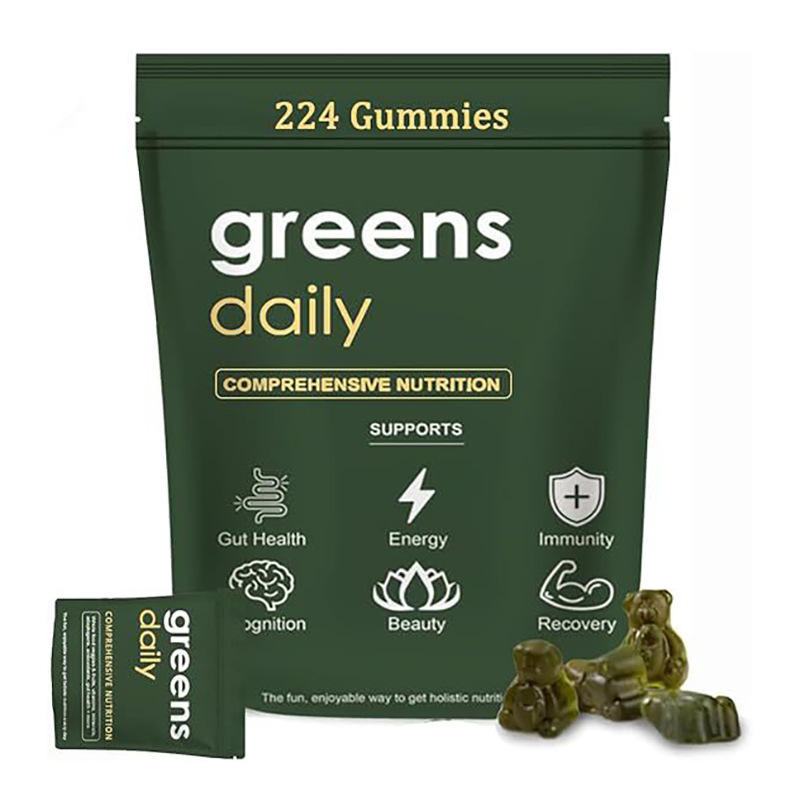 Greens Daily Gummies
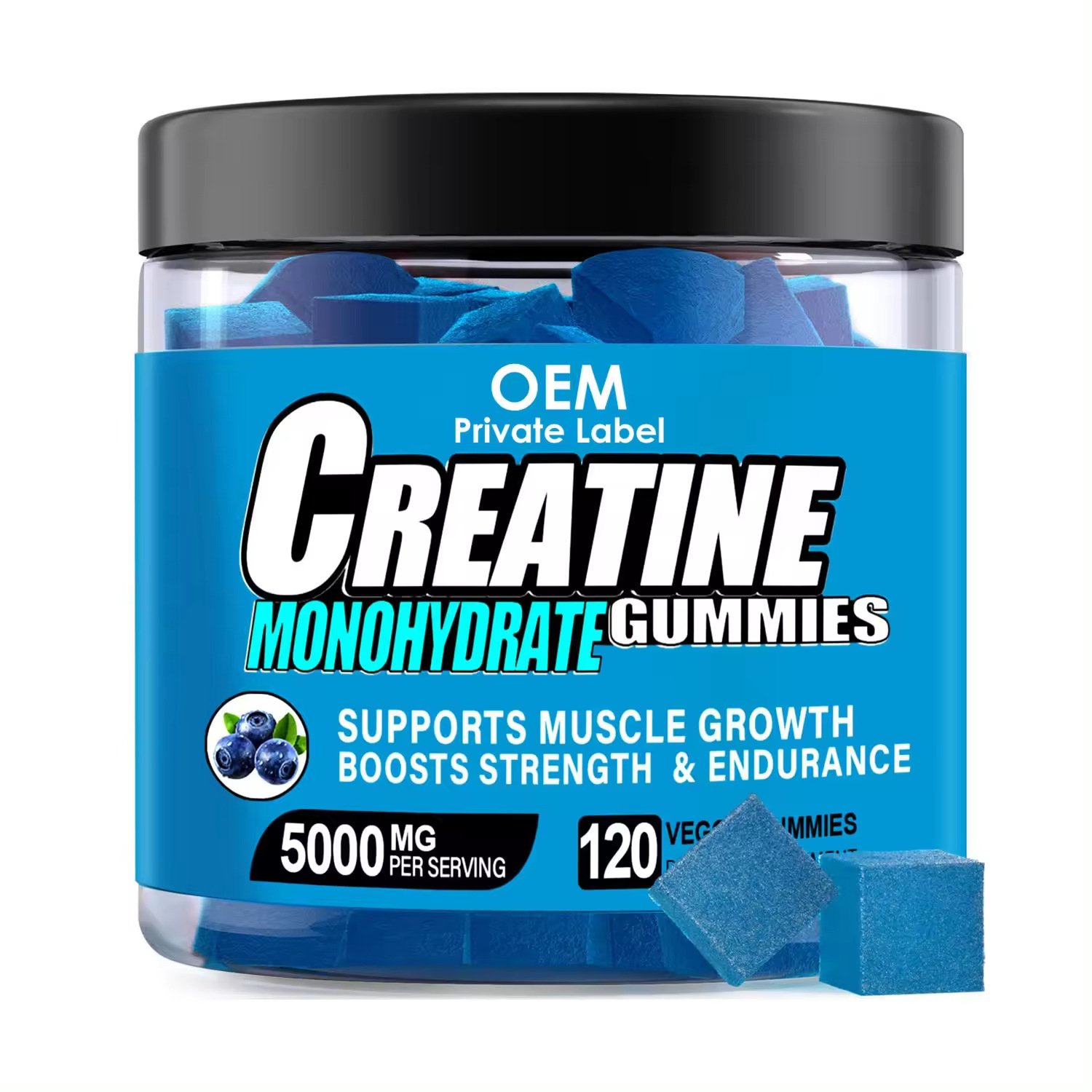 Creatine Monohydrate Gummies 5000mg
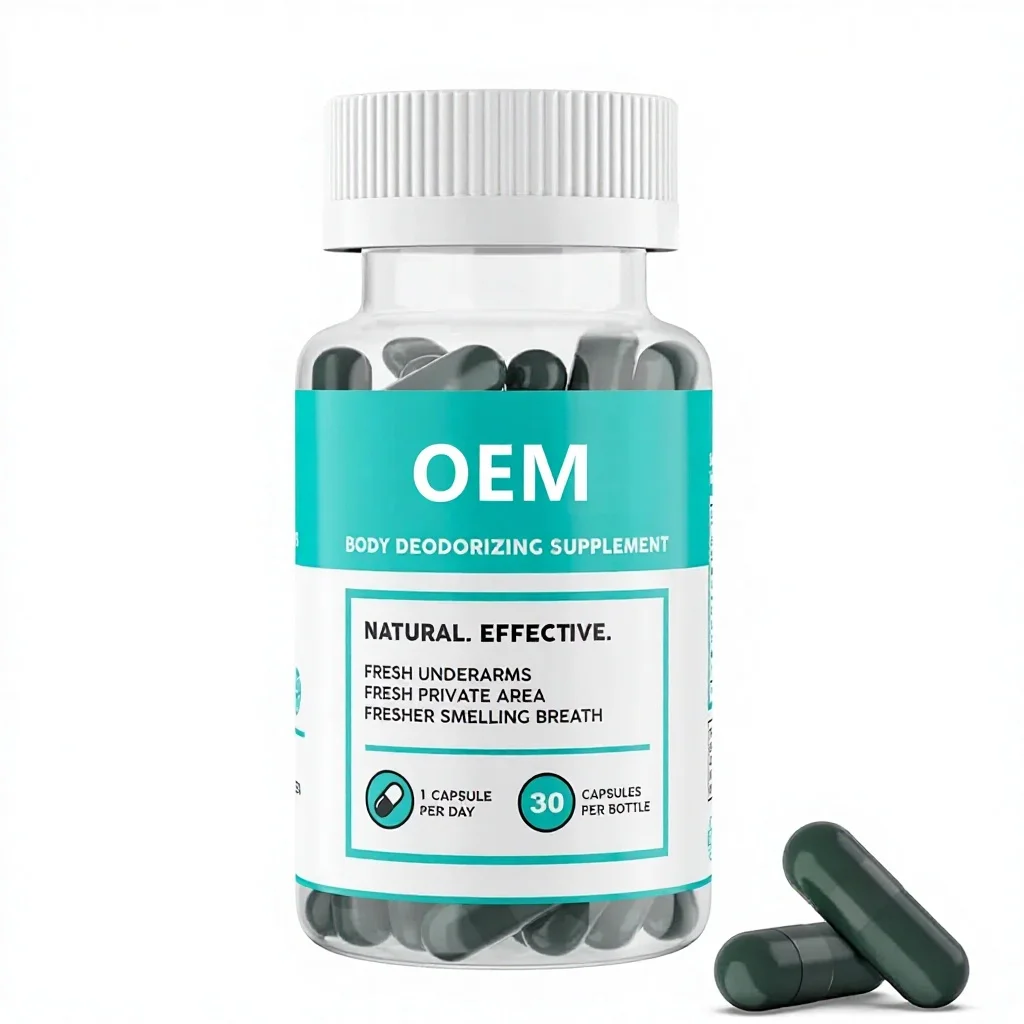 OEM Body Deodorizing Capsules
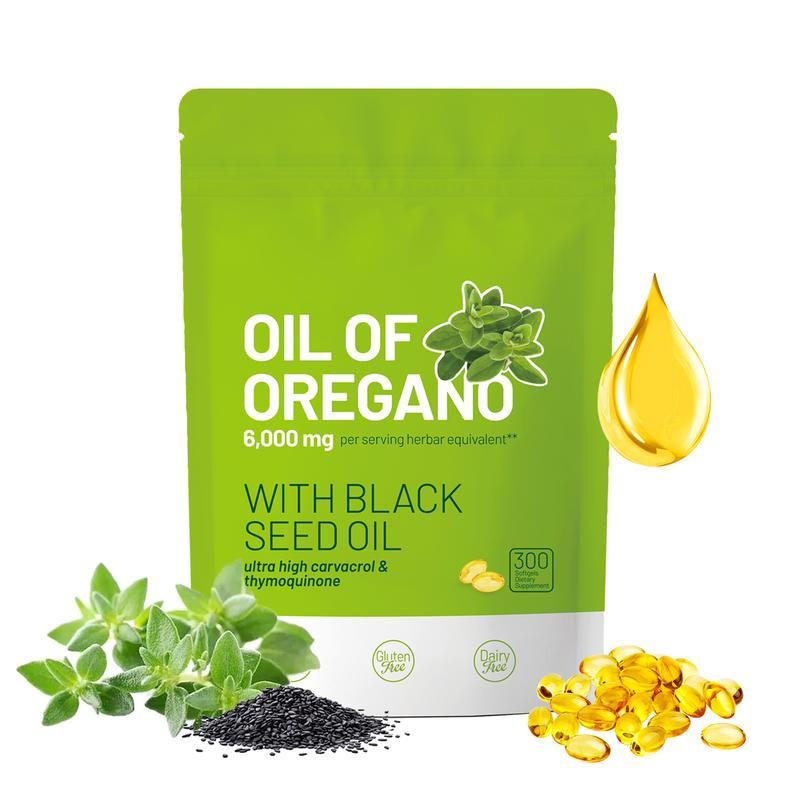 Oil of Oregano with Black Seed Oil
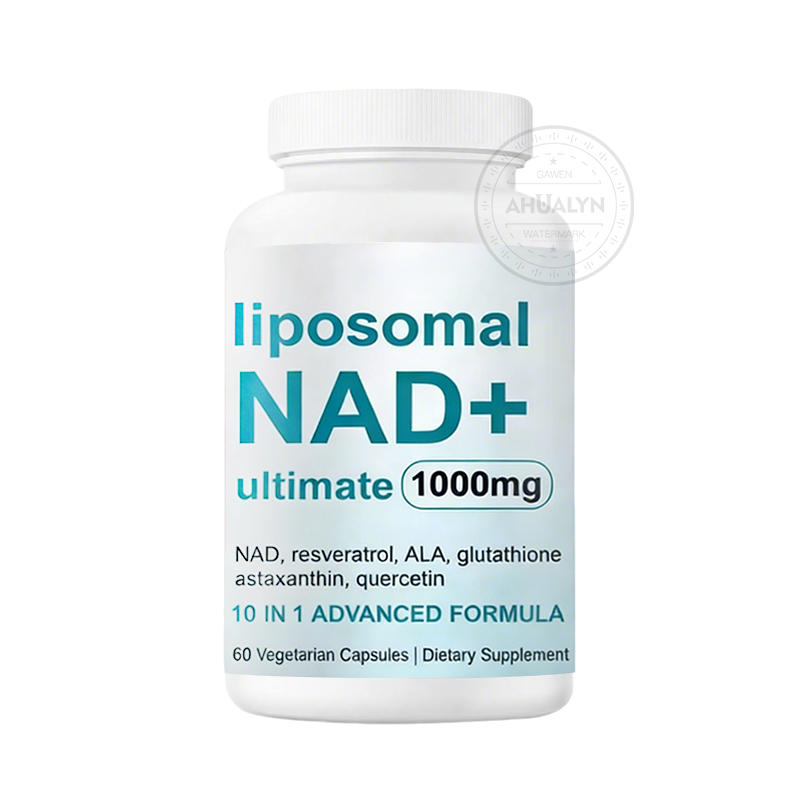 NAD+ Supplement Capsules
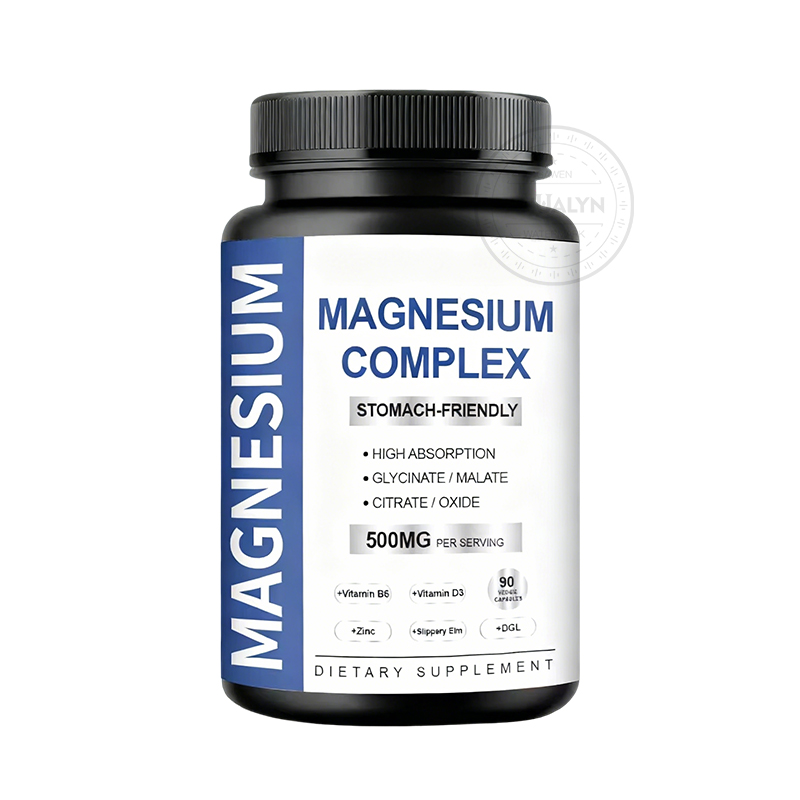 Magnesium Complex Capsules
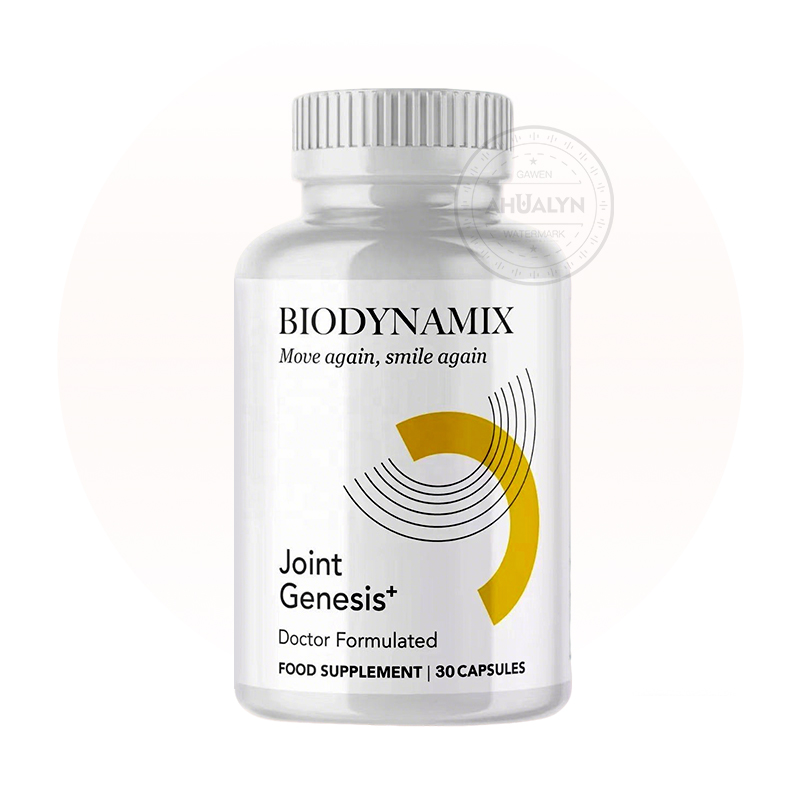 BIODYNAMIX Joint Genesis Capsules
 NMN Capsules
 Food Grade Sodium Hyaluronate
 Cross-linked Sodium Hyaluronate
 D-panthenol
 γ-Polyglutamic Acid
 Allantoin
 Alpha Arbutin
 Beta Arbutin
 Kojic Acid
 Kojic Acid Dipalmitate
 3-o Ethyl Ascorbic Acid
 Ascorbyl Glucoside
 β-Nicotinamide Mononucleotide(NMN)
 Nicotinamide Adenine Dinucleotide(NAD+)
 Glutathione
 Coenzyme Q10
 Pyrroloquinoline Quinone(PQQ)
 Chondroitin Sulfate
 Methyl Sulfonyl Methane
 Glucosamine Hydrochloride
 Glucosamine Sulfate Potassium Chloride
 N-Acetyl-D-Glucosamine
 Vitamin K2