Have you ever wondered how some of your favorite packaged foods stay fresh for so long without artificial chemicals? In this comprehensive guide, you'll discover the remarkable story of Nisin – a natural, powerful preservative that's revolutionizing food safety. You'll gain a deep understanding of how this bacteriocin works at the molecular level, explore its diverse applications across the food industry, learn why it's often preferred over synthetic alternatives, and discover how modern technology can optimize its effectiveness in your production processes.
What is Nisin? A Natural Antimicrobial Powerhouse
Nisin is a natural antibacterial peptide classified as a lantibiotic. It's produced through the fermentation of the food-grade bacterium Lactococcus lactis. Discovered in 1928, it wasn't until the 1950s that its commercial potential was truly recognized. Today, it holds the distinction of being the most extensively studied and widely used bacteriocin in the world. Its approval by global food safety authorities as a preservative (E234 in Europe, INS 234 internationally) underscores its safety and efficacy.
The Precision Mechanism: How Nisin Targets and Kills Bacteria
Unlike broad-spectrum chemical preservatives, Nisin exhibits a targeted, two-pronged attack against gram-positive bacteria, making it exceptionally effective against spoilage organisms and dangerous pathogens like Listeria monocytogenes and Clostridium botulinum.
1. High-Affinity Binding to Lipid II
Nisin's first move is strategic: it seeks out and binds with high affinity to Lipid II. This molecule is essential for bacteria as it's the fundamental building block transporter for cell wall synthesis (peptidoglycan). By binding to Lipid II, Nisin effectively hijacks this critical resource.
2. Formation of Lethal Pores
Once bound, multiple Nisin molecules come together. Using the bound Lipid II as an anchor, they insert themselves into the bacterial membrane, forming stable transmembrane pores. These pores create unregulated channels that breach the cell's integrity.
The Fatal Result: Cell Depletion and Death
The pores cause the rapid efflux of vital ions (like K+), amino acids, and ATP—the cell's energy currency. This sudden depletion leads to the collapse of the proton motive force, halting energy production and ultimately causing bacterial cell death. This dual mechanism is key—it makes the development of bacterial resistance extremely difficult, as overcoming both barriers simultaneously is a significant evolutionary challenge.
Diverse Applications in the Food Industry
Nisin's stability across various pH levels and its heat tolerance make it incredibly versatile. Here's where you'll commonly find it at work:
|
Food Category
|
Primary Target Bacteria
|
Benefit
|
|
Cheese & Dairy Products
|
Clostridium tyrobutyricum, Listeria
|
Prevents late blowing in hard cheeses, extends shelf life in processed cheese spreads.
|
|
Meat & Poultry
|
Listeria monocytogenes, Brochothrix thermosphacta
|
Reduces or eliminates Listeria in ready-to-eat products like sausages and sliced meats.
|
|
Canned & Thermally Processed Foods
|
Thermophilic spore-formers (e.g., Bacillus stearothermophilus)
|
Allows for milder heat treatments, preserving food quality while ensuring safety.
|
|
Beverages & Fermented Products
|
Lactic acid bacteria, spoilage yeasts
|
Controls microbial contamination in wines, beers, and some fruit juices.
|
|
Plant-Based Alternatives
|
Various spoilage organisms
|
Acts as a clean-label preservative in vegan cheeses and meat analogues.
|
Key Advantages Over Chemical Preservatives
-
Clean-Label Appeal: Derived from natural fermentation, it aligns with consumer demand for recognizable ingredients.
-
Potency at Low Levels: Effective in concentrations as low as 1-5 ppm (parts per million) in many applications.
-
Synergy with Hurdle Technology: Works exceptionally well when combined with other mild preservation methods (e.g., mild heat, reduced pH, or salt), allowing for overall gentler food processing.
-
Heat Stability: Retains activity after pasteurization and can survive in heated products, unlike many natural antimicrobials.
-
Bactericidal, Not Just Bacteriostatic: It kills bacteria rather than merely inhibiting their growth.
Optimizing Preservation with Precise Environmental Control
The effectiveness of natural preservatives like Nisin can be maximized when production conditions are precisely controlled. Critical parameters that influence both the growth of desired cultures and the inhibition of pathogens include pH Levels, Temperature, and Water Activity (aw).
Implementing a robust monitoring system is crucial. For instance, the GAIMC Series of integrated sensors available at www.ahualyn.com provides real-time data on water quality, temperature, and conductivity. This allows you to create the ideal environment for both producing Nisin via fermentation and ensuring its maximum efficacy in your final food products, enhancing your food safety and quality assurance protocols.
Frequently Asked Questions About Nisin
Is Nisin considered safe for everyone?
Yes. Nisin has been granted GRAS (Generally Recognized As Safe) status by the FDA and is approved by the WHO/FAO Joint Expert Committee on Food Additives (JECFA). It is broken down by digestive enzymes in the human gut and does not contribute to antibiotic resistance in human pathogens.
Does Nisin work against all bacteria?
No, its primary activity is against Gram-positive bacteria. It is generally not effective against Gram-negative bacteria (like E. coli or Salmonella) because their outer membrane blocks access to Lipid II. However, this specificity can be an advantage, as it preserves beneficial microbiota in fermented foods.
Can Nisin be used in organic food production?
Regulations vary by country and certifying body. In many regions, because Nisin is produced by natural fermentation, it is permitted for use in certain organic products. Always check with your specific organic certification agency for the latest guidelines.
How is Nisin typically applied in food manufacturing?
It is commercially available as a purified powder or in standardized preparations. It can be directly added to food matrices, applied as a surface treatment (e.g., spray or dip for meats), or incorporated into packaging films as part of active packaging solutions.
How can Ahualyn's solutions support my use of natural preservatives?
Ahualyn provides advanced monitoring technology crucial for modern food preservation. From precise pH and conductivity meters to ensure optimal fermentation conditions for producing bacteriocins, to sophisticated temperature logging systems that guarantee proper storage conditions, our equipment helps you maintain the consistent environmental parameters necessary for natural preservatives to perform at their peak. Explore our solutions at www.ahualyn.com.
Ready to Enhance Your Food Preservation Strategy?
Whether you're exploring natural preservatives like Nisin for clean-label products or need to implement precise environmental controls to maximize their effectiveness, having the right knowledge and technology is key. A holistic approach to food safety combines potent antimicrobials with rigorous process monitoring.
Let us help you build a safer, more sustainable preservation system.
Get Your Customized Solution Consultation
Sources & Authoritative References:
-
Delves-Broughton, J. (2012). "Nisin and Its Applications as a Food Preservative." International Journal of Dairy Technology.
-
Joint FAO/WHO Expert Committee on Food Additives (JECFA) Monographs and Evaluations.
-
European Food Safety Authority (EFSA) Panel on Food Additives and Nutrient Sources (2017). "Re-evaluation of nisin (E 234) as a food additive." EFSA Journal.
-
U.S. Food and Drug Administration (FDA), Code of Federal Regulations Title 21.
-
International Scientific Association for Probiotics and Prebiotics (ISAPP) consensus definitions.

 Creatine Monohydrate Gummies 5000mg
 Apple Cider Vinegar Gummies
 Greens Daily Gummies
 Creatine Monohydrate Gummies 5000mg
 OEM Body Deodorizing Capsules
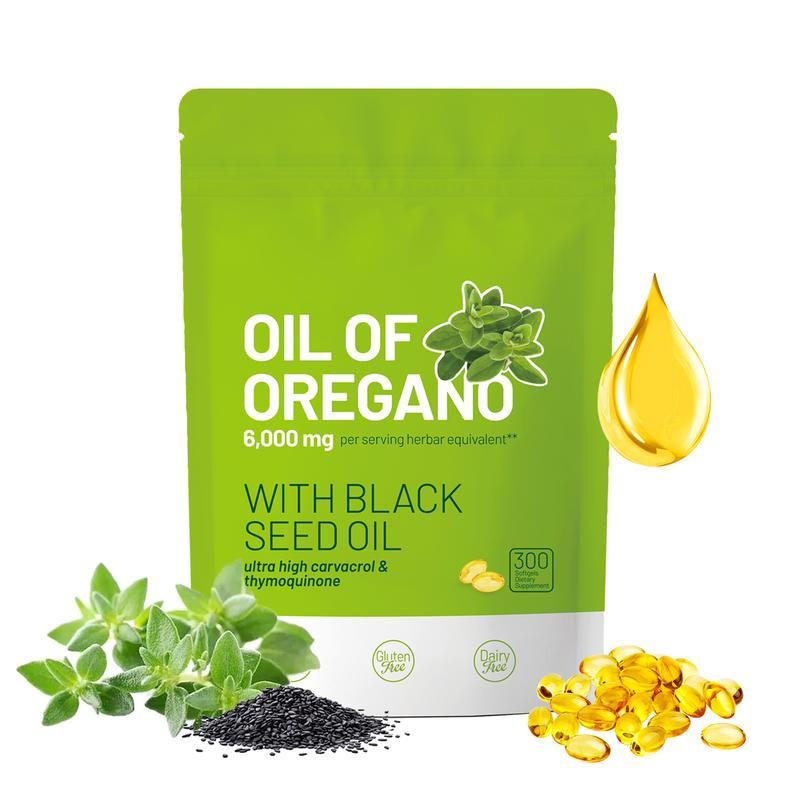 Oil of Oregano with Black Seed Oil
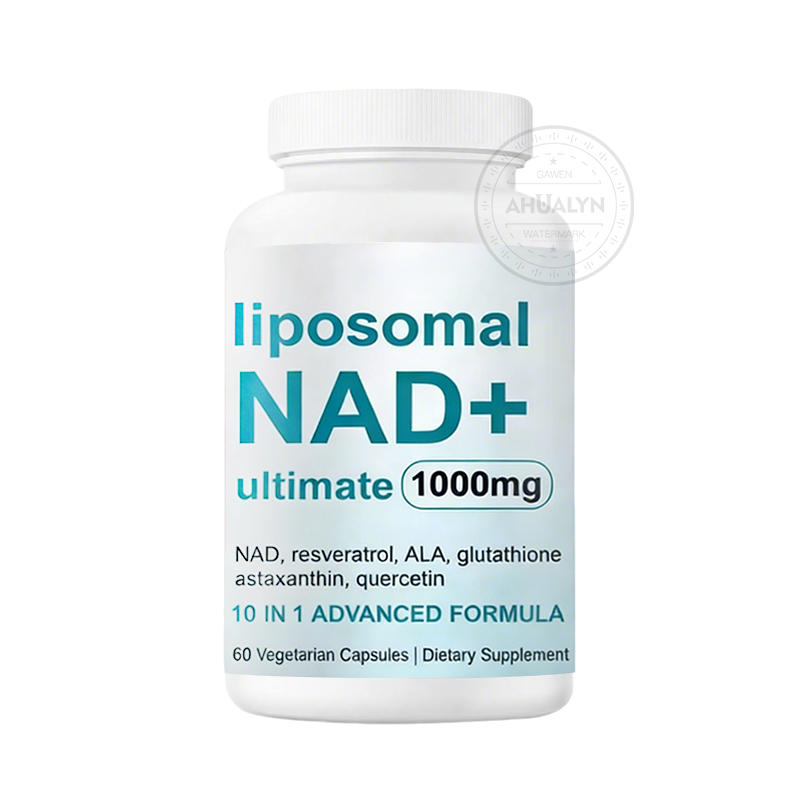 NAD+ Supplement Capsules
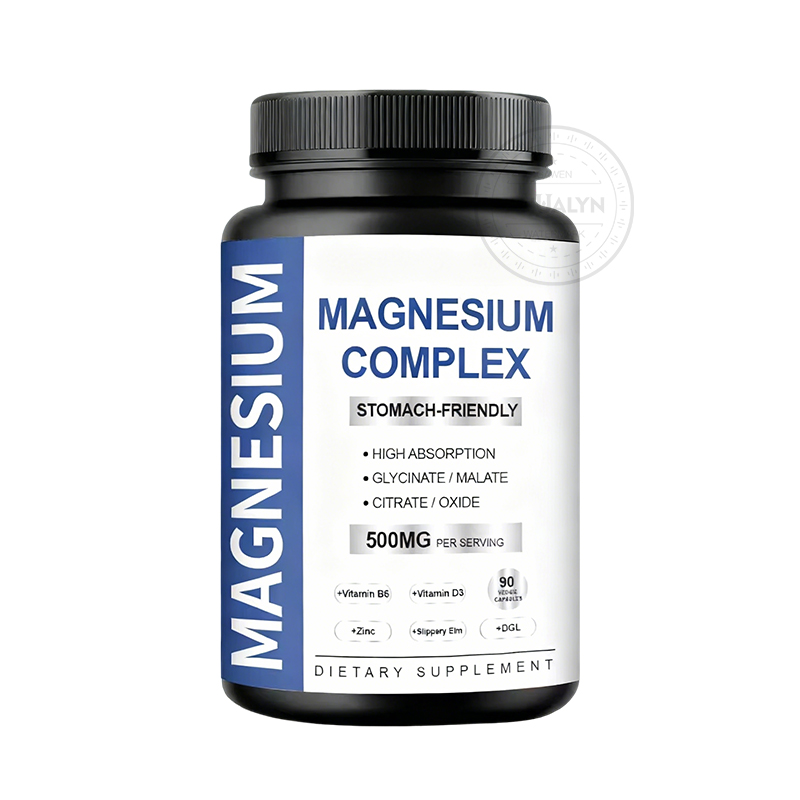 Magnesium Complex Capsules
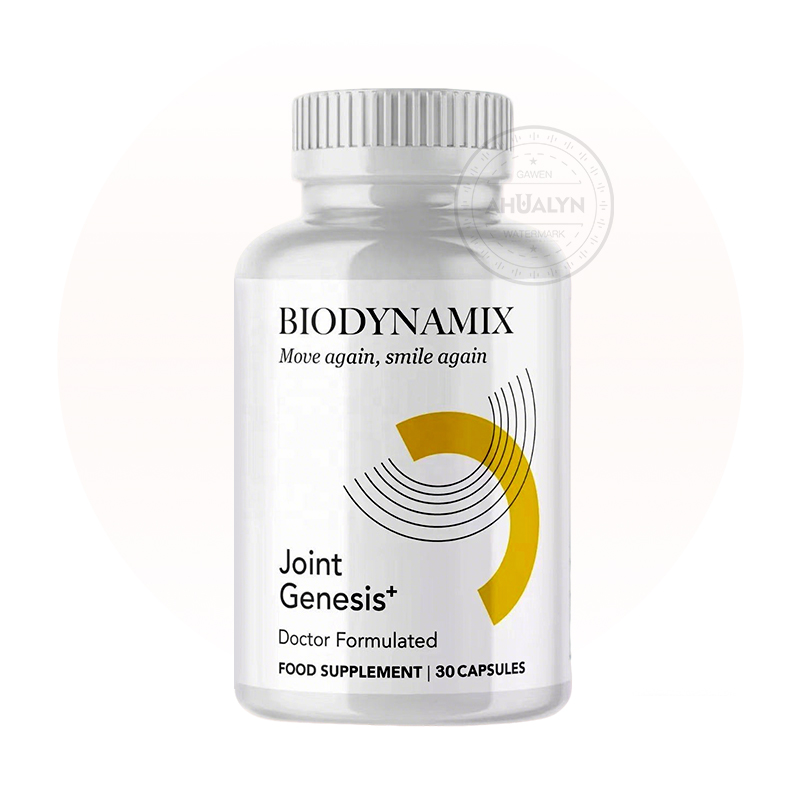 BIODYNAMIX Joint Genesis Capsules
 NMN Capsules
 Food Grade Sodium Hyaluronate
 Cross-linked Sodium Hyaluronate
 D-panthenol
 γ-Polyglutamic Acid
 Allantoin
 Alpha Arbutin
 Beta Arbutin
 Kojic Acid
 Kojic Acid Dipalmitate
 3-o Ethyl Ascorbic Acid
 Ascorbyl Glucoside
 β-Nicotinamide Mononucleotide(NMN)
 Nicotinamide Adenine Dinucleotide(NAD+)
 Glutathione
 Coenzyme Q10
 Pyrroloquinoline Quinone(PQQ)
 Chondroitin Sulfate
 Methyl Sulfonyl Methane
 Glucosamine Hydrochloride
 Glucosamine Sulfate Potassium Chloride
 N-Acetyl-D-Glucosamine
 Vitamin K2