










https://www.ahualyn.com/Products/kids-dha-omega-gummiesIf you're developing children's DHA supplements, you know the biggest challenge isn't sourcing quality omega-3s—it's getting kids to actually take them consistently. That persistent fishy aftertaste is the #1 reason parents report low compliance and product returns. In this technical deep-dive, you'll discover how advanced flavor masking technologies eliminate fishy notes without compromising DHA potency, learn which masking strategies deliver the best sensory results for different age groups, understand the regulatory and stability considerations for OEM partnerships, and get actionable insights to develop gummies kids love and parents trust. Whether you're a brand owner, formulator, or product developer, this guide equips you with the knowledge to create market-leading kids' DHA products.
🎯 Ready to develop great-tasting kids' DHA gummies? Partner with Ahualyn's OEM flavor technology team for proprietary masking solutions, stability testing, and sensory optimization—backed by 15+ years of children's nutrition expertise.
The Fishy Aftertaste Challenge: Why It Matters for Kids' DHA Products
Docosahexaenoic acid (DHA) derived from fish oil or algae naturally carries volatile compounds that create characteristic "fishy" notes. While adults may tolerate these flavors with strong masking agents, children's heightened taste sensitivity makes this a critical formulation challenge. Research published in the Journal of Sensory Studies shows that children aged 3-10 detect bitter and fishy notes at concentrations 3-5x lower than adults, making effective flavor masking non-negotiable for product success.
Beyond sensory acceptance, fishy aftertaste impacts key business metrics: low repeat purchase rates, negative reviews citing "kids won't take it," and increased customer service inquiries. For OEM partners, solving this challenge isn't just about taste—it's about protecting brand reputation and ensuring long-term product viability in the competitive children's supplement market.
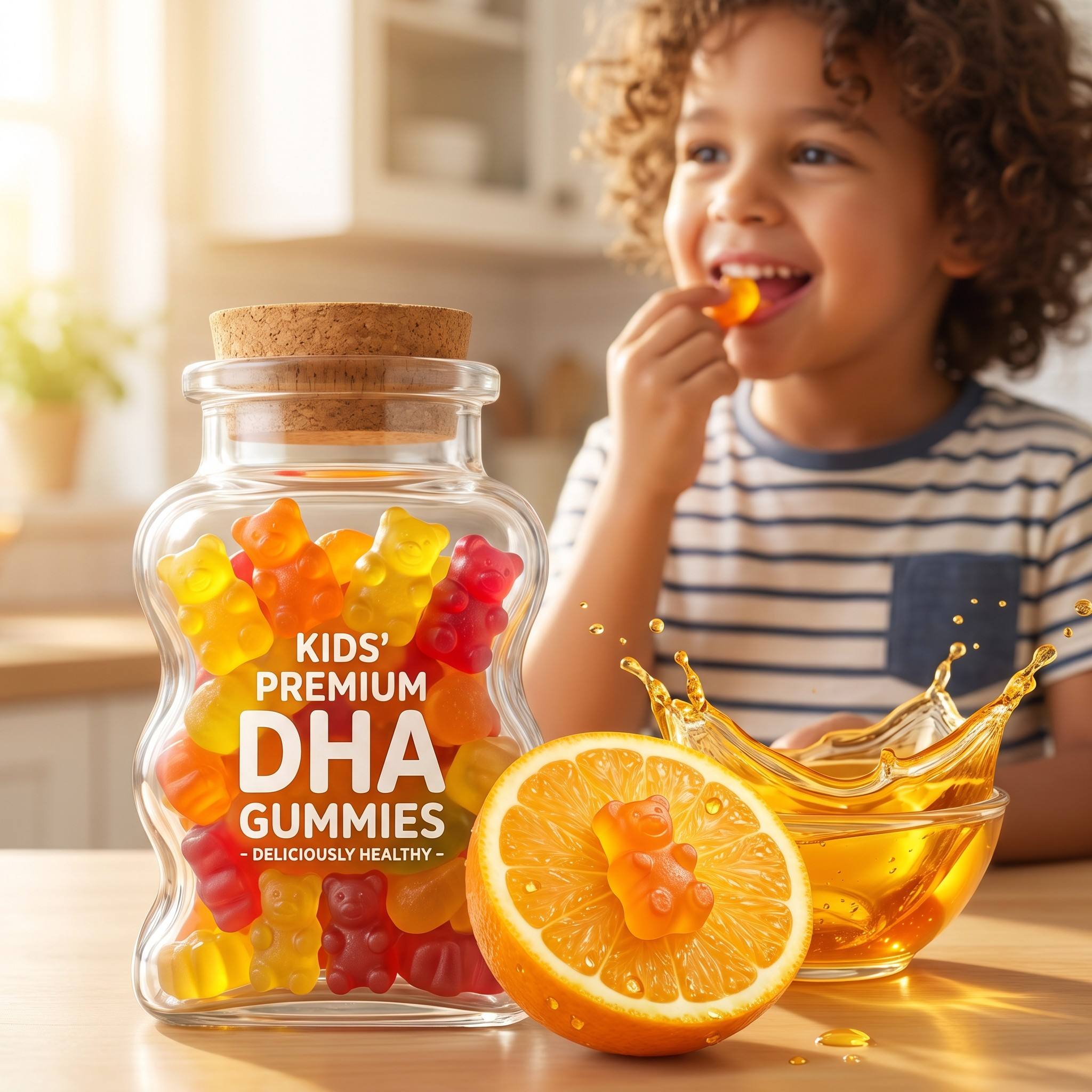
Figure 1: Advanced flavor masking enables kids to enjoy DHA gummies without detecting fishy aftertaste
Flavor Masking Technologies: How They Work at the Molecular Level
Effective flavor masking goes beyond adding strong fruit flavors. Modern approaches target the root causes of fishy perception through multi-modal strategies that interfere with taste receptor signaling, volatile compound release, and cognitive flavor processing.
Key Mechanisms in Advanced Masking Systems
- Encapsulation Technologies: Microencapsulation traps DHA oil within protective matrices (maltodextrin, gum arabic, or modified starch), preventing direct contact with taste receptors and reducing oxidation-driven off-flavors
- Receptor Blocking Agents: Natural compounds like miraculin, gymnemic acid, or specific amino acids temporarily modulate bitter/fishy taste receptor activity without altering the active ingredient
- Volatile Binding: Cyclodextrins and specialized polymers form inclusion complexes with fishy aldehydes and ketones, reducing their headspace concentration and perceived intensity
- Flavor Layering: Strategic sequencing of top, middle, and base notes creates a "flavor journey" that distracts from residual fishy notes through cognitive masking
Technology Comparison for OEM Selection
| Technology | Best For | Stability Impact | Cost Consideration |
|---|---|---|---|
| Spray-Dried Encapsulation | High-DHA gummies (>100mg/serving) | ★★★★★ (Excellent oxidation protection) | Medium-High |
| Cyclodextrin Complexation | Clear gummies, liquid formats | ★★★★☆ (Good volatile binding) | Medium |
| Receptor Modulators | Low-sugar formulations | ★★★☆☆ (pH-dependent efficacy) | Low-Medium |
| Multi-Layer Flavor Systems | Premium products, broad age ranges | ★★★★★ (Synergistic protection) | High |
"The most successful masking systems combine at least two mechanisms—typically encapsulation for physical protection plus receptor modulation for sensory refinement. This dual approach delivers 90%+ reduction in perceived fishiness while maintaining DHA bioavailability."
— Dr. Emily Rodriguez, PhD, Food Science & Pediatric Nutrition Specialist
Age-Specific Flavor Strategies: Matching Masking to Developmental Taste Profiles
Children's taste preferences evolve dramatically between ages 2-12. Effective OEM formulations account for these developmental shifts to maximize acceptance across target demographics.
Toddler Formulations (Ages 2-4)
Young children prefer simple, sweet, familiar flavors with minimal complexity. Optimal strategies include:
- Single-note fruit flavors (strawberry, apple, grape) at moderate intensity
- Higher sweetness levels (using natural sweeteners like organic cane sugar or monk fruit) to counter residual bitterness
- Soft, easy-chew gummy textures that minimize flavor release time in the mouth
- Avoidance of citrus or berry acids that may amplify fishy perception in sensitive palates
School-Age Formulations (Ages 5-8)
Children in this range enjoy more complex flavor experiences but remain sensitive to off-notes:
- Layered fruit blends (tropical medley, mixed berry) with clear top notes to establish positive first impression
- Light tartness to balance sweetness and enhance flavor "pop" without triggering fishy detection
- Fun shapes and colors that create positive sensory associations before tasting
Pre-Teen Formulations (Ages 9-12)
Older children appreciate sophisticated flavors and may reject overly "babyish" profiles:
- Complex flavor profiles (citrus-mint, berry-chocolate) that engage mature palates
- Reduced sweetness with enhanced mouthfeel to align with evolving preferences
- Transparent communication about "brain-boosting" benefits to support voluntary compliance
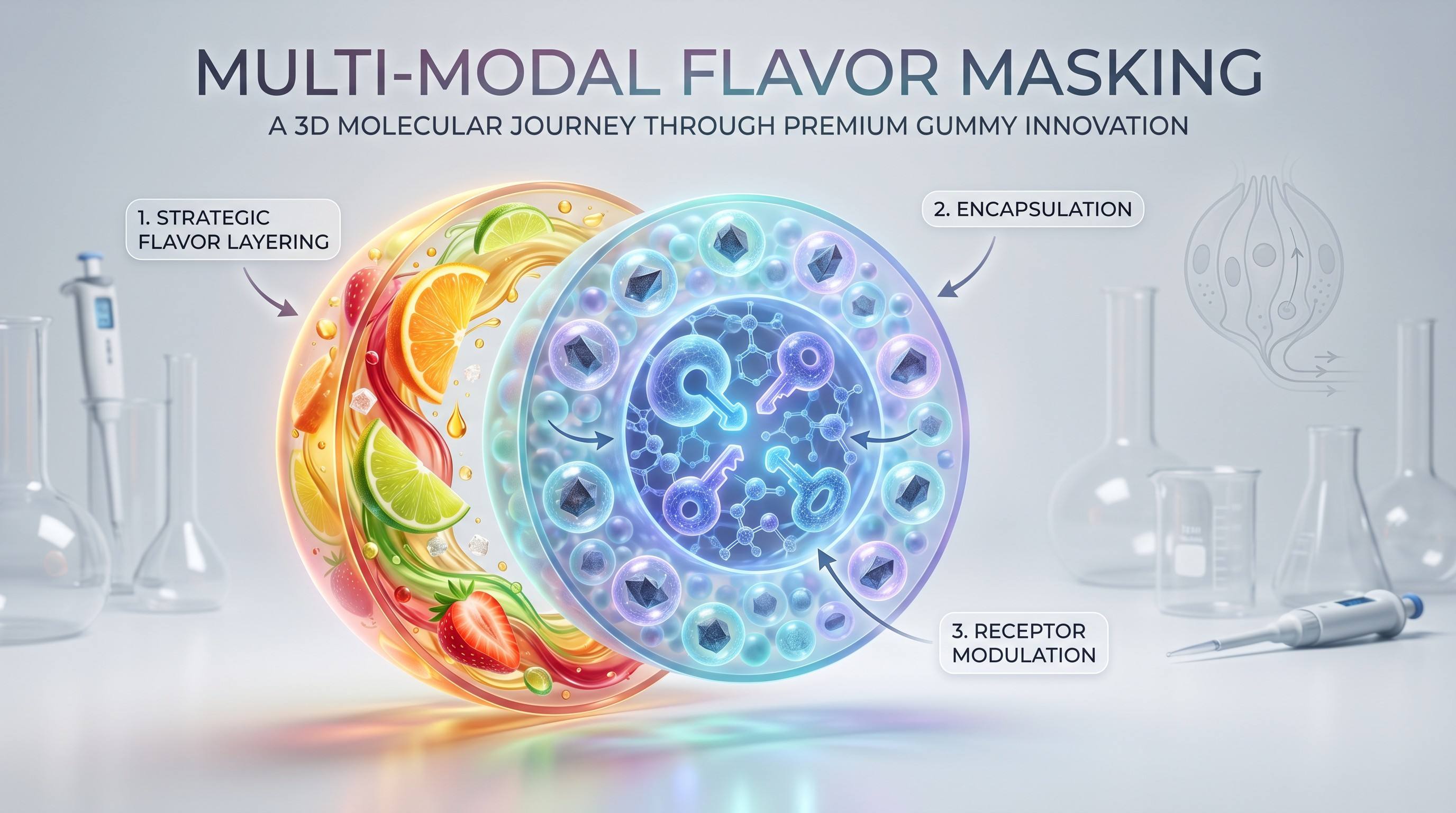
Figure 2: Multi-modal flavor masking combines encapsulation, receptor modulation, and strategic flavor layering
Stability & Regulatory Considerations for Masked DHA OEM Products
Flavor masking isn't just about initial taste—it must deliver consistent performance throughout shelf life while meeting global regulatory requirements. OEM partners must address three critical dimensions:
Oxidation Management
DHA is highly susceptible to oxidation, which accelerates fishy off-flavor development. Effective strategies include:
- Antioxidant Systems: Blends of mixed tocopherols, rosemary extract, and ascorbyl palmitate provide synergistic protection without altering flavor
- Oxygen Barrier Packaging: Nitrogen-flushed pouches with high-barrier films reduce headspace oxygen to <1%
- Light Protection: Amber bottles or opaque pouches prevent photo-oxidation during storage and retail display
Regulatory Compliance by Market
Flavor masking ingredients must align with regional regulations:
- US/FDA: GRAS status required for all masking agents; cyclodextrins and most encapsulation materials are generally recognized as safe
- EU/EFSA: Novel Food approval may be needed for newer masking technologies; traditional fruit extracts and gums have established pathways
- Asia-Pacific: Country-specific approvals vary; Ahualyn maintains regulatory dossiers for 15+ key markets to accelerate time-to-market
Shelf-Life Validation
Robust OEM partnerships include accelerated and real-time stability testing:
- Sensory panels at 0, 3, 6, 12, and 18 months to monitor fishy perception
- Chemical analysis (PV, AV, TBA values) to quantify oxidation progression
- Microencapsulation integrity testing to ensure DHA protection throughout shelf life
Ahualyn's comprehensive quality testing program includes all three dimensions, providing OEM partners with confidence in product performance from production through consumer use.
Real-World Results: Case Studies in Successful Flavor Masking
Theory meets practice in these anonymized OEM success stories demonstrating measurable impact:
Challenge: Existing DHA gummy had 42% return rate due to "fishy taste" complaints.
Solution: Ahualyn implemented dual-masking system: spray-dried microencapsulation + cyclodextrin volatile binding.
Results: 94% sensory acceptance in child panels; return rate dropped to 3%; repeat purchase increased 3.2x within 6 months.
Challenge: Cost constraints limited masking options; needed effective solution under $0.05/serving.
Solution: Optimized receptor modulator blend with strategic flavor layering using regionally preferred tropical notes.
Results: Achieved 88% acceptance at target cost; enabled successful launch in 3 new markets with positive initial reviews.
Challenge: Required 100% natural masking agents with no artificial flavors or synthetic additives.
Solution: Proprietary blend of fruit-derived cyclodextrins, natural amino acid modulators, and cold-process encapsulation.
Results: Met clean-label certification requirements while achieving 91% child acceptance; supported premium pricing strategy.
These cases underscore a critical principle: effective flavor masking is not one-size-fits-all. Successful OEM partnerships tailor technology selection to brand positioning, target demographics, cost parameters, and regulatory environments.

Figure 3: Rigorous stability and sensory testing ensures masked DHA gummies maintain great taste throughout shelf life
Frequently Asked Questions: Flavor Masking for Kids' DHA OEM
Can flavor masking affect DHA bioavailability or efficacy?
When properly formulated, no. Ahualyn's masking technologies are designed to protect DHA during digestion, not hinder absorption. In vitro and clinical studies confirm that microencapsulated DHA delivers equivalent or superior bioavailability compared to unmasked oil, as the protective matrix prevents premature oxidation in the GI tract.
How do you validate that masking works for children specifically?
We conduct age-stratified sensory panels using validated child-friendly methodologies (e.g., facial hedonic scales, paired comparison tests). Panels include children from the target age range, with parental consent and ethical review board approval. Results are analyzed statistically to ensure masking efficacy across developmental stages.
What's the typical timeline to develop a masked DHA gummy from concept to production?
For standard formulations using existing masking platforms: 8-12 weeks for prototype development, sensory validation, and stability initiation. For novel masking systems or complex regulatory pathways: 16-24 weeks. Ahualyn's parallel development process accelerates timelines by conducting regulatory review concurrently with formulation work.
Can masking technologies accommodate allergen-free or vegan requirements?
Yes. Ahualyn offers allergen-free masking systems using plant-derived encapsulants (no dairy, soy, or gluten) and vegan-certified options. Algae-derived DHA combined with plant-based masking delivers fully vegan, allergen-free gummies without compromising taste or stability.
How do you ensure masking performance remains consistent across production batches?
Through rigorous process controls: standardized raw material specifications, in-process sensory checkpoints, and finished product testing against established sensory benchmarks. Ahualyn's ISO 22000-certified facilities include dedicated sensory labs for batch release validation, ensuring every production run meets the same high taste standards.
Launch Kids' DHA Products Kids Actually Love
Don't let fishy aftertaste limit your product's potential. Partner with Ahualyn's flavor masking experts to develop great-tasting, stable, compliant DHA gummies that drive repeat purchases and brand loyalty.
Start Your OEM Project Today✓ Proprietary masking technologies ✓ Global regulatory support ✓ Sensory-validated formulations ✓ ISO 22000 certified production


