








You drink coffee to power through a demanding task. Thirty minutes later, your mind is racing, your hands are shaky, and the focus you wanted has been replaced by anxiety. Sound familiar?
This is the fundamental problem with caffeine alone: it stimulates, but it doesn't direct that stimulation where you need it. The result is often as much distraction as focus.
There is a well-researched alternative: pairing caffeine with L-theanine—an amino acid found naturally in green tea—in a specific ratio. Four randomized controlled trials and a 2014 meta-analysis have tested this combination head-to-head against caffeine alone. The pattern is remarkably consistent: the combination delivers the alertness of caffeine with significantly fewer side effects and, in many cases, better cognitive performance.
In this guide, we'll walk through exactly what the research shows, why the ratio matters, and how to use this combination effectively—whether you're a student preparing for exams, a professional managing deep work, or a brand exploring functional formulations.
1. How Caffeine and L-Theanine Work Together
Caffeine and L-theanine operate through distinct but complementary mechanisms in the brain.
Caffeine is a methylxanthine that blocks adenosine receptors. Adenosine builds up throughout the day and signals fatigue; by occupying its receptors, caffeine prevents that fatigue signal from being received. The result is increased alertness, faster reaction time, and improved sustained attention. The downside—especially at higher doses—is overstimulation: jitteriness, anxiety, and a subsequent energy crash as the blockade wears off.
L-theanine is a non-protein amino acid found predominantly in Camellia sinensis (tea leaves). It crosses the blood-brain barrier and modulates several neurotransmitter systems—increasing GABA (promoting calm), influencing serotonin and dopamine (supporting mood), and boosting alpha brain wave activity (associated with a state of "relaxed alertness").
When combined, their effects are synergistic rather than merely additive:
- Calm alertness: Caffeine provides stimulation; L-theanine smooths the overactivation that causes jitters and anxiety.
- Sustained focus: The combination supports alpha brain wave patterns linked to attentive yet relaxed mental states—the optimal mode for deep work.
- Reduced crash: L-theanine appears to extend and stabilize caffeine's effects, muting the post-peak energy slump.
- Improved mood: The dual effects on dopamine, serotonin, and GABA create a stable, positive cognitive baseline.
2. Clinical Evidence: What the Research Actually Shows
The caffeine-L-theanine combination is not a wellness trend—it's one of the more consistently replicated findings in nutritional cognitive science. Here are the key studies:
Randomized Controlled Trials
Design: Randomized, placebo-controlled, double-blind, balanced crossover study in healthy adults.
Key finding: The caffeine + L-theanine combination significantly improved digit vigilance reaction time, numeric working memory, and sentence verification accuracy compared to placebo. Importantly, it also reduced self-reported mental fatigue and headache ratings versus L-theanine alone.
View on PubMed →
Design: Randomized, placebo-controlled crossover trial (n = 27). Tested 50mg caffeine + 100mg L-theanine (2:1 ratio).
Key finding: The combination improved both speed and accuracy on attention-switching tasks and reduced susceptibility to distraction in working memory tasks—benefits not seen with caffeine alone at the same dose.
View on PubMed →
Design: Randomized, placebo-controlled, double-blind study (n = 44). Tested 97mg L-theanine + 40mg caffeine.
Key finding: Significantly improved accuracy on task-switching and increased self-reported alertness (both P < 0.01), while reducing self-reported tiredness (P < 0.05). No significant effects on blood pressure or heart rate.
View on PubMed →
Meta-Analysis
Design: Systematic review and meta-analysis of 11 randomized placebo-controlled trials.
Key finding: Moderate effect sizes in favor of the caffeine + L-theanine combination for alertness and attentional switching accuracy within the first 2 hours post-dose. Caffeine dose was a stronger moderator of effect size than L-theanine dose, particularly in the first hour.
View on PubMed →
The takeaway: Across four independent research groups, different doses, and different cognitive tests, the pattern is consistent: caffeine + L-theanine outperforms caffeine alone on measures of focused attention, accuracy, and subjective comfort—without additional cardiovascular side effects.
3. Why the 2:1 Ratio Matters
You'll notice a pattern in the studies above: L-theanine is consistently dosed at roughly twice the caffeine dose. This isn't arbitrary. Three lines of evidence support the 2:1 ratio:
Pharmacokinetic Synchronization
Both compounds reach peak plasma concentrations within approximately 30–60 minutes of oral administration. This means their effects rise and fall on similar timelines, allowing their mechanisms to interact throughout the effective window rather than peaking at different times.
Receptor-Level Balance
At a 2:1 ratio, L-theanine's GABAergic calming activity appears to offset caffeine's adenosine-blocking stimulation without eliminating it. Lower ratios (more caffeine relative to L-theanine) trend toward caffeine's side-effect profile; higher ratios (more L-theanine) risk sedation rather than calm focus.
Subjective Tolerability
Across the clinical trials, the 2:1 ratio consistently produces the highest ratio of "alertness benefit" to "jitteriness cost" in participant self-reports. This is the practical sweet spot that makes sustained daily use viable.
4. Choosing the Right Delivery Format
Even the best formulation is only as good as its delivery system. The format you choose affects onset time, convenience, dosing precision, and—critically—whether you'll actually use it consistently.
| Format | Onset Time | Convenience | Dose Control | Best For |
|---|---|---|---|---|
| Functional Gum | 10–15 min (buccal) | ★★★★★ No prep, portable | ★★★★☆ Per-piece control | On-demand focus, meetings, travel |
| Capsules / Tablets | 30–45 min (gastric) | ★★★☆☆ Needs water | ★★★☆☆ Fixed per unit | Planned daily supplementation |
| Beverages | 15–30 min | ★★★☆☆ Needs preparation | ★★☆☆☆ Often fixed serving | Ritual-based consumption |
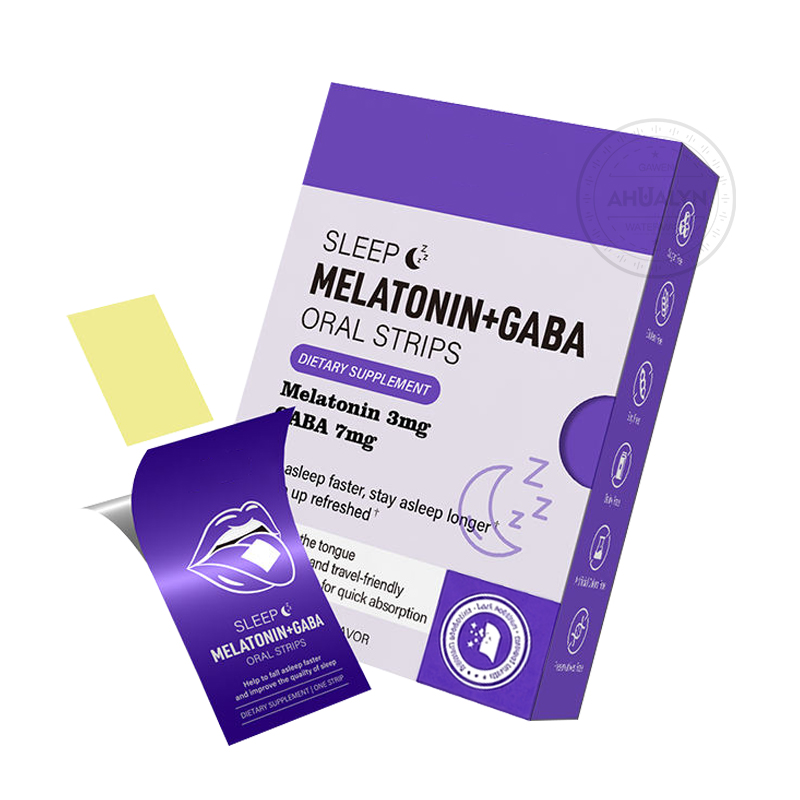
| Sublingual Strips | 5–10 min (mucosal) | ★★★★☆ Portable, quick | ★★★☆☆ Fixed per strip | Fastest possible onset |
Why Buccal Delivery (Gum) Stands Out
Functional gum uses buccal absorption—compounds enter the bloodstream through the oral mucosa, bypassing first-pass liver metabolism. This means:
- Faster onset: Users typically report effects within 10–15 minutes, versus 30–45 minutes for capsules.
- Precise titration: Each piece delivers a pre-measured dose. Take one for mild support, two or three for demanding tasks—you control the intensity.
- Discreet and portable: No water, no preparation, no equipment. Ideal for meetings, travel, or any context where pulling out a bottle of pills isn't practical.
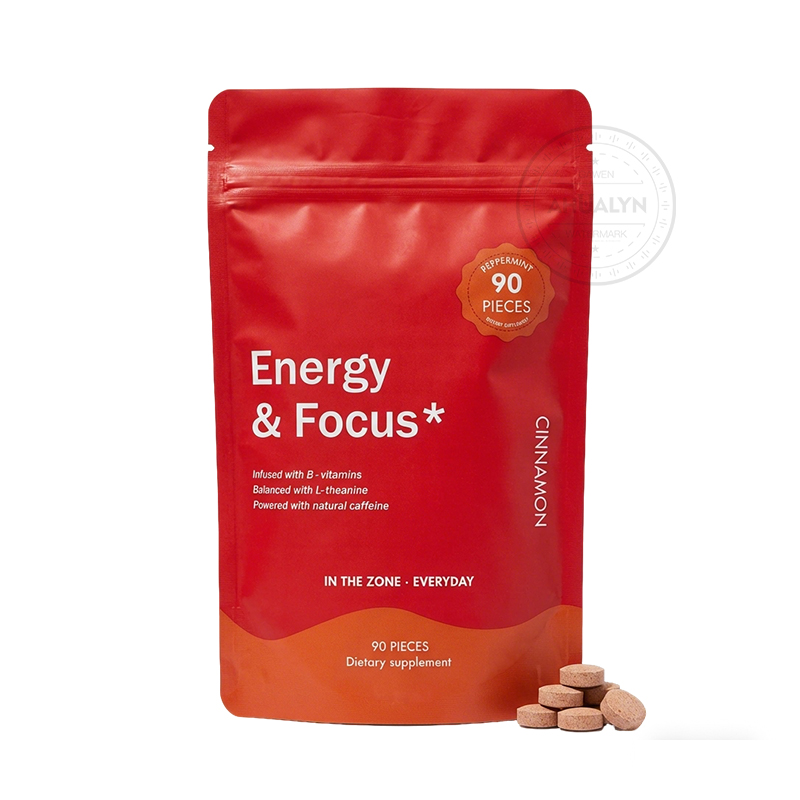
Energy Mint Gum — 2:1 Ratio, Ready to Use
- Precisely dosed: 25mg caffeine + 50mg L-theanine per piece
- Buccal absorption for rapid onset (10–15 min)
- Natural peppermint oil for refreshment
- Third-party tested for potency and purity
- GMP-certified manufacturing
5. How to Use Caffeine + L-Theanine Effectively
Timing Guidelines by Scenario
- Deep work sessions: Take 15–20 minutes before starting. Effects typically last 2–3 hours. Plan your most demanding cognitive work for this window.
- Meetings & presentations: Take 10 minutes prior. The "calm alertness" state supports clear communication without overstimulation.
- Creative work: The alpha brain wave boost may support divergent thinking. Experiment with timing to match your creative rhythm.
- Travel & time zone shifts: The gum format is ideal—no liquid restrictions, no preparation. Use strategically to align alertness with the local schedule.
Personalization Tips
- Start low: If you're new to stimulants or sensitive to caffeine, start with one piece (25mg caffeine) and assess tolerance before increasing.
- Mind your sleep: Caffeine has a half-life of 3–5 hours. Avoid use within 4–6 hours of bedtime to protect sleep architecture.
- Consider cycling: Some regular users benefit from occasional "reset days" without stimulants to maintain long-term responsiveness.
- Pair well: This combination works synergistically with proper hydration, light physical movement, and structured work intervals (e.g., Pomodoro technique).
Complete Guide to Functional Nootropic Formulations
Get our free 20-page guide covering ingredient synergies, dosage science, delivery format selection, and regulatory considerations for cognitive wellness products.
6. Frequently Asked Questions
How quickly will I notice effects from the caffeine-L-theanine combination?
When taken via buccal absorption (e.g., gum format), initial effects are typically reported within 10–15 minutes. Peak cognitive benefits occur around 30–60 minutes after dosing and may last 2–3 hours. Individual response varies based on metabolism, body weight, and prior caffeine tolerance.
Is the 2:1 ratio suitable for caffeine-sensitive individuals?
Many caffeine-sensitive individuals report better tolerance of the combination compared to caffeine alone, as L-theanine helps smooth out overstimulation. We recommend starting with a low dose (e.g., 25mg caffeine + 50mg L-theanine) and assessing your response. If you have significant sensitivity or a medical condition, consult a healthcare provider before use.
Is it safe to use daily?
Current research supports the safety of moderate daily intake (up to 200mg caffeine per day) for healthy adults. As with any regular supplementation, periodically reassess your tolerance and response. To protect sleep quality, avoid consumption within 4–6 hours of bedtime.
Can I combine caffeine-L-theanine with other supplements?
Caffeine-L-theanine generally complements adaptogens (rhodiola, ashwagandha), B-vitamins, and omega-3 fatty acids. Do not combine with additional caffeine sources (coffee, energy drinks, pre-workouts) to avoid overstimulation. When taking multiple supplements, spacing them 30–60 minutes apart can help optimize absorption.
Is this combination appropriate for students?
While the combination is well-tolerated by adults in the clinical trials, caffeine-containing products are generally not recommended for individuals under 18 without medical guidance. Adult university students may benefit from the focus-enhancing effects, but should prioritize adequate sleep, nutrition, and study habits as the foundation for cognitive performance.


