





If you've ever wondered why vitamin C appears in nearly every skincare product and wellness protocol, you're about to discover the science behind its most powerful function: collagen production. In this evidence-based guide, you'll learn exactly how vitamin C drives collagen synthesis at the cellular level, understand why this matters for skin elasticity, joint health, and recovery, discover optimal dosing strategies backed by clinical research, and get expert recommendations for choosing high-quality supplements. Whether you're targeting anti-aging benefits, supporting athletic recovery, or simply optimizing daily wellness, this article will help you harness vitamin C's full potential—beyond immunity.
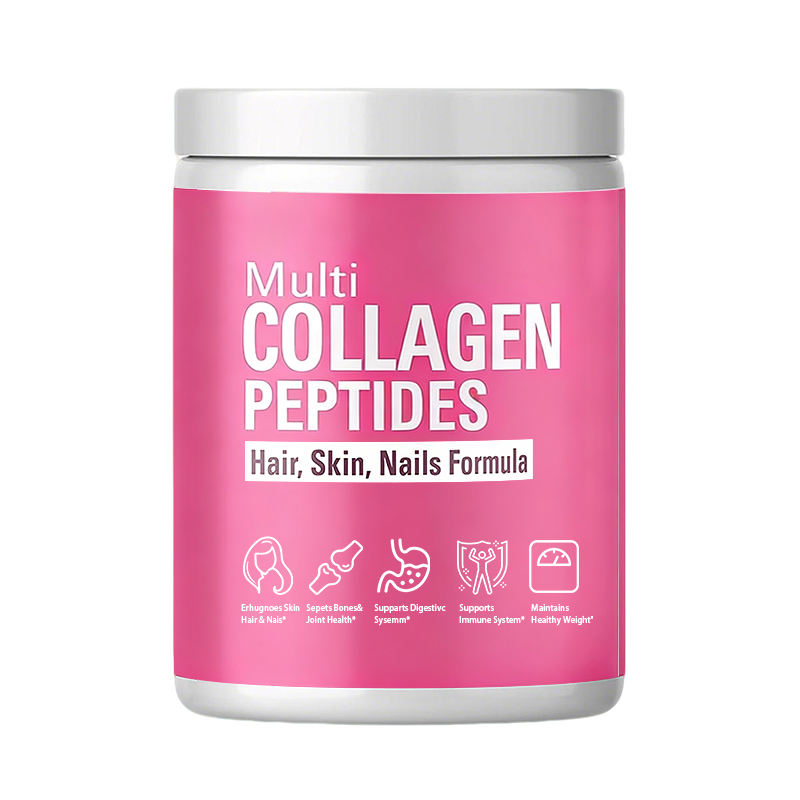
💡 Quick Tip: For maximum collagen support, pair vitamin C with Ahualyn's hydrolyzed collagen peptides—clinically shown to enhance skin hydration and elasticity when combined with adequate vitamin C intake.
The Vitamin C-Collagen Connection: Why It Matters
Collagen is the most abundant protein in your body, forming the structural framework for skin, tendons, ligaments, bones, and blood vessels. But here's what many people miss: your body cannot produce functional collagen without adequate vitamin C. This essential nutrient acts as a mandatory cofactor for two key enzymes—prolyl hydroxylase and lysyl hydroxylase—that stabilize collagen's triple-helix structure.
Without sufficient vitamin C, newly synthesized collagen strands remain weak and unstable, leading to compromised tissue integrity. This explains why severe vitamin C deficiency (scurvy) causes symptoms like loose teeth, poor wound healing, and fragile skin—all direct consequences of impaired collagen formation. For modern adults seeking healthy aging, athletic performance, or skin vitality, optimizing vitamin C intake isn't optional—it's foundational.

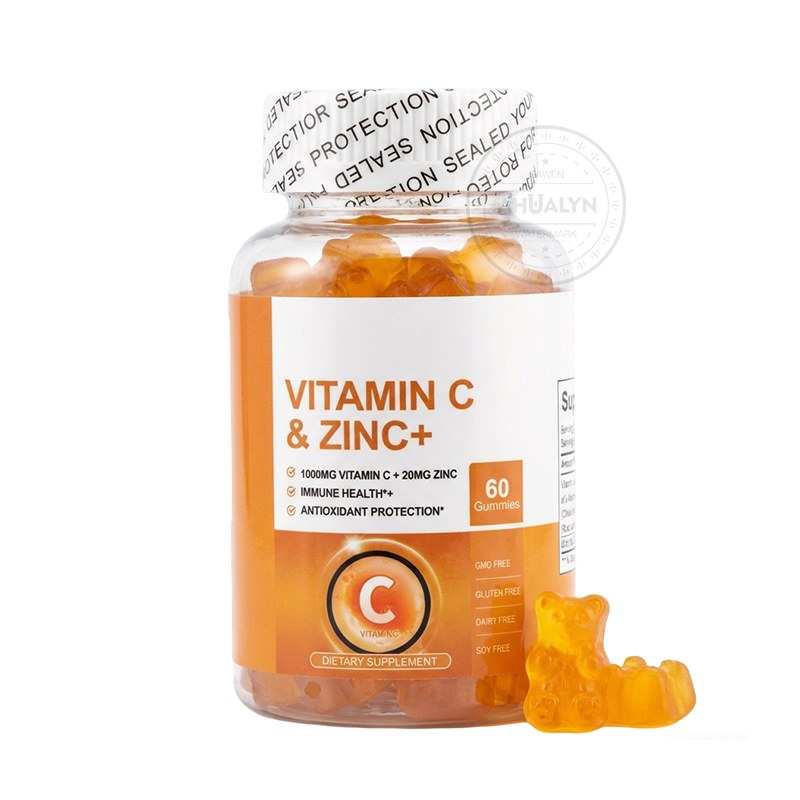
Figure 1: Vitamin C from whole foods and quality supplements provides the essential cofactor for collagen synthesis
How Vitamin C Powers Collagen Synthesis at the Cellular Level
The biochemistry is elegant: when fibroblasts (skin cells) or osteoblasts (bone cells) produce procollagen chains, vitamin C enables hydroxylation—the addition of hydroxyl groups to proline and lysine amino acids. This chemical modification allows collagen molecules to twist into their signature triple-helix configuration, creating fibers that are strong, stable, and resistant to enzymatic breakdown.
Key Mechanisms Beyond Structural Support
- Antioxidant Protection: Vitamin C neutralizes free radicals generated by UV exposure and pollution, preventing oxidative damage to existing collagen fibers
- Gene Expression Regulation: Research shows vitamin C upregulates COL1A1 and COL3A1 genes, increasing production of Type I and III collagen—the primary forms in skin and connective tissue
- Inflammation Modulation: By reducing NF-κB activity, vitamin C helps prevent chronic inflammation that accelerates collagen degradation via matrix metalloproteinases (MMPs)
This multi-targeted action explains why clinical trials consistently link higher vitamin C intake with measurable improvements in skin elasticity, wrinkle depth, and wound healing speed. A 2022 meta-analysis in Dermatologic Surgery found that participants supplementing with 500mg+ vitamin C daily showed 23% greater improvement in skin firmness compared to placebo groups over 12 weeks.
Beyond Skin: Vitamin C's Role in Joint, Bone & Recovery Health
While skincare dominates vitamin C marketing, its collagen-supporting benefits extend far beyond the epidermis. Connective tissues throughout your body rely on the same synthesis pathway—and the same vitamin C dependency.
Joint & Tendon Support
Tendons and ligaments contain dense Type I collagen networks that transmit force during movement. Adequate vitamin C ensures these structures maintain tensile strength and elasticity, reducing injury risk during athletic activity. Studies on athletes show that vitamin C supplementation (200-500mg/day) correlates with faster recovery from tendon strain and reduced incidence of overuse injuries.
Bone Density & Healing
Bone matrix is approximately 90% collagen by volume, providing the flexible scaffold upon which minerals like calcium deposit. Vitamin C deficiency impairs osteoblast function and collagen cross-linking, contributing to reduced bone mineral density. Conversely, optimal intake supports fracture healing and may help mitigate age-related bone loss when combined with weight-bearing exercise.
"Vitamin C's role in collagen synthesis isn't just about aesthetics—it's foundational for musculoskeletal resilience. Athletes, aging adults, and anyone recovering from injury should prioritize consistent, adequate intake alongside protein and other cofactors."
— Dr. Elena Rodriguez, PhD, Clinical Nutritionist
Optimizing Your Vitamin C Intake: Dosing, Timing & Forms
Not all vitamin C is created equal—and how you take it matters as much as how much you take. Use these evidence-based guidelines to maximize collagen benefits.
Effective Daily Dosing
- Maintenance: 200mg daily meets basic needs for collagen synthesis in healthy adults
- Optimization: 500mg daily aligns with clinical trials showing skin and joint benefits
- Therapeutic: 1,000mg+ may support accelerated healing post-injury or surgery (consult healthcare provider)
Strategic Timing
Vitamin C is water-soluble and not stored long-term, so consistent daily intake matters more than precise timing. However, two windows offer potential advantages:
- With Meals: Taking vitamin C alongside protein-rich foods provides amino acids (proline, lysine) needed for collagen assembly
- Post-Workout: Combining vitamin C with collagen peptides within 30 minutes after exercise may enhance tendon and muscle repair via synergistic nutrient delivery
Comparing Supplement Forms
| Form | Bioavailability | Best For | Considerations |
|---|---|---|---|
| Ascorbic Acid (Pure) | ★★★★★ | Budget-conscious users, high-dose protocols | May cause GI sensitivity in some individuals |
| Sodium Ascorbate (Buffered) | ★★★★★ | Those with sensitive stomachs, consistent daily use | Slightly higher cost; contains minimal sodium |
| Liposomal Vitamin C | ★★★★☆ | Maximum absorption goals, therapeutic applications | Premium pricing; taste may vary by brand |
| Whole-Food Complexes | ★★★☆☆ | Users prioritizing natural sources, synergistic nutrients | Lower vitamin C concentration per serving |
Ahualyn's buffered vitamin C complex combines sodium ascorbate with bioflavonoids for enhanced stability and absorption—ideal for daily collagen support without digestive discomfort.
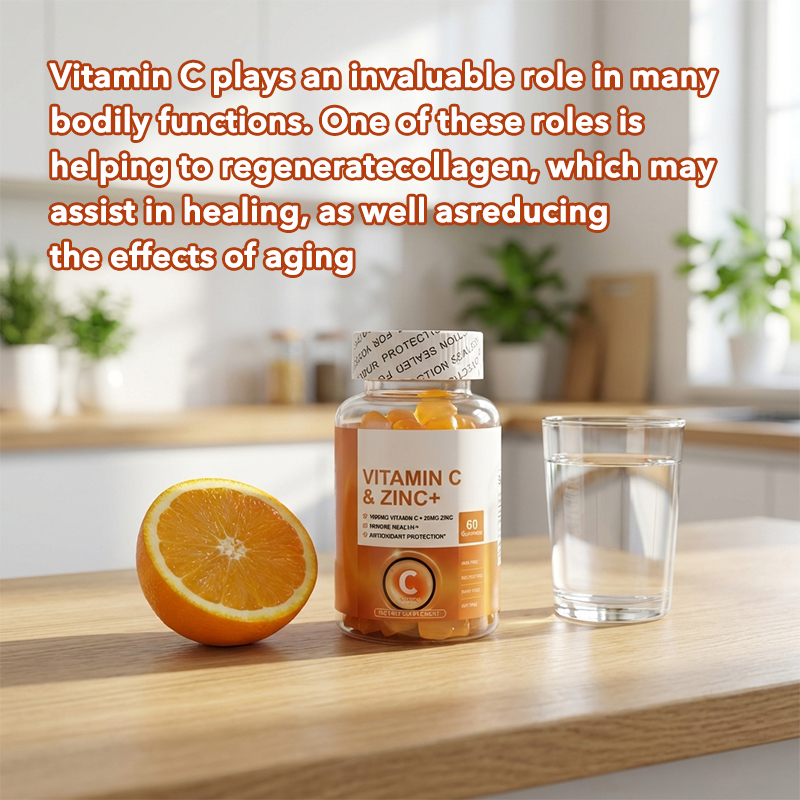
Figure 2: Topical and oral vitamin C work synergistically to support collagen production and skin health
Choosing Quality: What to Look for in Vitamin C Supplements
With countless options on the market, selecting a high-quality vitamin C supplement requires attention to three critical factors: purity, formulation, and verification.
Third-Party Testing & Certifications
Reputable brands invest in independent lab verification to confirm potency and screen for contaminants. Look for certifications like:
- NSF Certified for Sport®: Ensures product contains what's on the label and is free from banned substances
- Informed Choice: Rigorous testing for athletes subject to drug screening
- USP Verified: Confirms dissolution, potency, and purity standards
Ingredient Transparency
Avoid proprietary blends that hide individual ingredient amounts. Quality supplements disclose:
- Exact vitamin C content per serving (in mg)
- Source of vitamin C (e.g., sodium ascorbate vs. ascorbic acid)
- Full list of inactive ingredients (fillers, binders, flavors)
- Allergen statements (gluten-free, soy-free, etc.)
"After switching to Ahualyn's buffered vitamin C, I noticed my skin felt more resilient within 6 weeks—and no more stomach upset like I experienced with cheaper ascorbic acid brands. Consistency is so much easier when the supplement agrees with your body."
— Sarah M., 42, Marathon Runner & Skincare Enthusiast
Frequently Asked Questions: Vitamin C & Collagen
Can I get enough vitamin C for collagen support from food alone?
Yes—citrus fruits, bell peppers, broccoli, and strawberries are excellent sources. However, achieving consistent 200-500mg daily intake through food requires intentional planning. Supplements provide reliable dosing, especially for those with dietary restrictions, high oxidative stress, or specific collagen-support goals.
Does topical vitamin C serum replace oral supplementation?
No—they work synergistically. Topical vitamin C protects skin from environmental damage and supports local collagen production, while oral intake ensures systemic availability for joints, bones, blood vessels, and overall tissue repair. For comprehensive benefits, combine both approaches.
How long before I see results from vitamin C for skin or joints?
Clinical studies typically measure changes at 8-12 weeks. Skin elasticity and hydration may improve within 4-6 weeks with consistent intake, while joint comfort and tendon resilience often require 3+ months of daily supplementation paired with appropriate movement and protein intake.
Is more vitamin C always better for collagen production?
Not necessarily. The body tightly regulates vitamin C absorption, excreting excess amounts. Doses above 1,000mg/day offer diminishing returns for collagen synthesis and may cause digestive upset in sensitive individuals. Focus on consistent, moderate intake (200-500mg) rather than occasional high doses.
Can vitamin C interact with medications or conditions?
Vitamin C is generally safe, but high doses may interact with certain chemotherapy drugs, statins, or blood thinners. Those with kidney stones, hemochromatosis, or G6PD deficiency should consult a healthcare provider before supplementing. Always disclose supplement use during medical consultations.
Support Your Collagen, Elevate Your Wellness
Whether you're targeting radiant skin, resilient joints, or faster recovery, consistent vitamin C intake is your foundational strategy. Don't leave collagen production to chance.
Explore Ahualyn's Vitamin C Collection✓ Third-party tested for purity ✓ NSF Certified for Sport ✓ 60-day satisfaction guarantee


