- Products
- Gummies Capsules Powders Tablets Liquids & Drops Oral Strips
-
Women's Probiotic Gummies 60 Count Beet Root Gummies 3-in-1 Sea Moss Glow Gummies Apple Cider Vinegar Gummies Greens Daily Gummies Spicy Cubes Hot Peach Gummies
Cold-Pressed Black Seed Oil 500mg OEM Body Deodorizing Capsules Oil of Oregano with Black Seed Oil NAD+ Supplement Capsules Magnesium Complex Capsules BIODYNAMIX Joint Genesis Capsules
Collagen Matcha Latte Beauty Milk Collagen Drink Pure MACA + Aguaje Mixture Powder Mushroom Coffee - 10-in-1 Functional Blend Myo & D-Chiro Inositol Powder 40:1 Super Calm Magnesium Powder Supplement
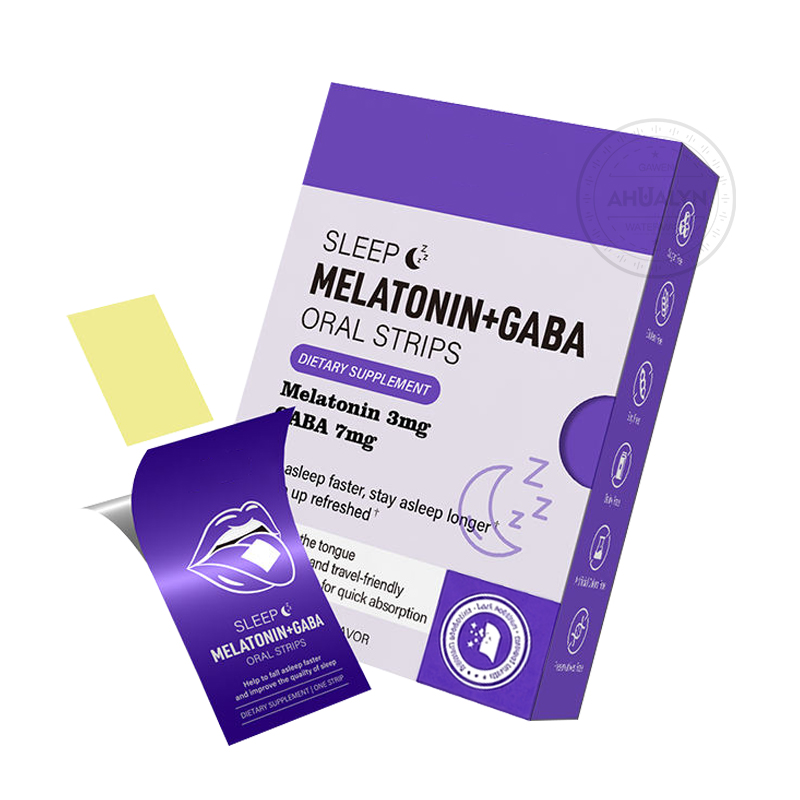
Melatonin+GABA Oral Strips Melatonin+GABA Oral Strips Melatonin+GABA Oral Strips Melatonin+GABA Oral Strips
- Moisturizing Skin Whitening Anti-aging Antibacterial Blend Thickener
-
Food Grade Sodium Hyaluronate Cross-linked Sodium Hyaluronate Cosmetic Grade Sodium Hyaluronate D-panthenol γ-Polyglutamic Acid Allantoin
Alpha Arbutin Beta Arbutin Kojic Acid Kojic Acid Dipalmitate 3-o Ethyl Ascorbic Acid Ascorbyl Glucoside
PDRN polydeoxyribonucleotide L-Ergothioneine Acetyl Hexapeptide-8 Dipeptide Diaminobutyroyl Benzylamide Diacetate
Salicylic Acid Azelaic Acid Alpha Bisabolol Potassium Azeloyl Diglycinate
Carbopol 940 Carbopol 980 Carbopol 680 Carbopol 981 Carbopol U20
- Antioxidant Joint Health Collagen Peptides Nutrition Enhancer
-
β-Nicotinamide Mononucleotide(NMN) β-Nicotinamide Mononucleotide(NMN) Nicotinamide Adenine Dinucleotide(NAD+) Glutathione Coenzyme Q10 Pyrroloquinoline Quinone(PQQ)
Chondroitin Sulfate Methyl Sulfonyl Methane Glucosamine Hydrochloride Glucosamine Sulfate Potassium Chloride N-Acetyl-D-Glucosamine Vitamin K2
Bovine Collagen Peptide Strawberry Flavor Collagen Peptide Vanilla Flavor Collagen Peptide Original Flavor Fish Collagen Peptide Fish Collagen Peptide Type II Collagen Peptide
DHA Algae Oil DHA Algae Oil Powder L-Theanine γ-Aminobutyric Acid Choline Glycerophosphate
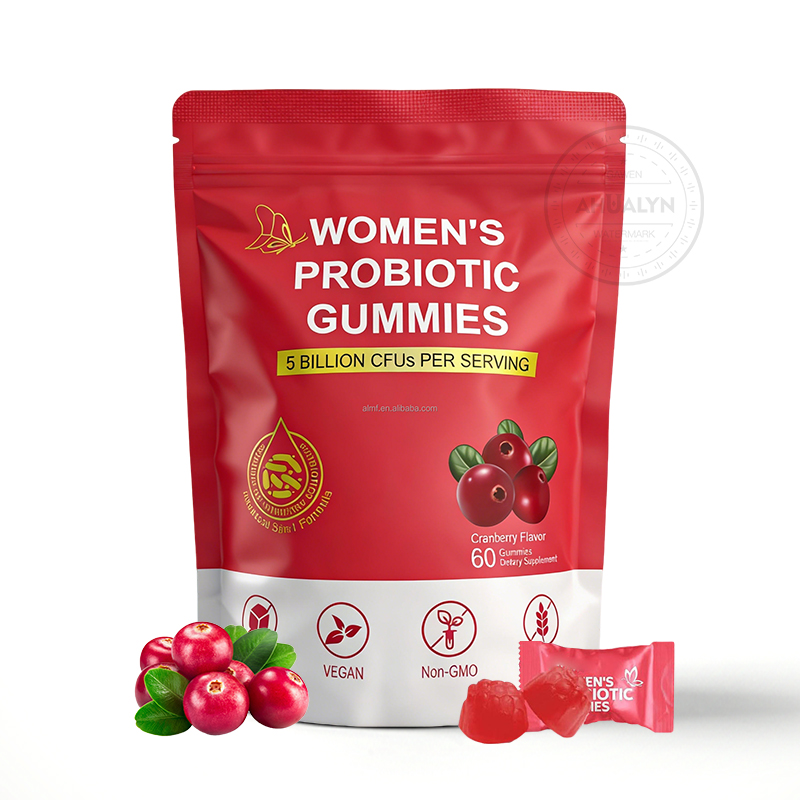 Women's Probiotic Gummies 60 Count
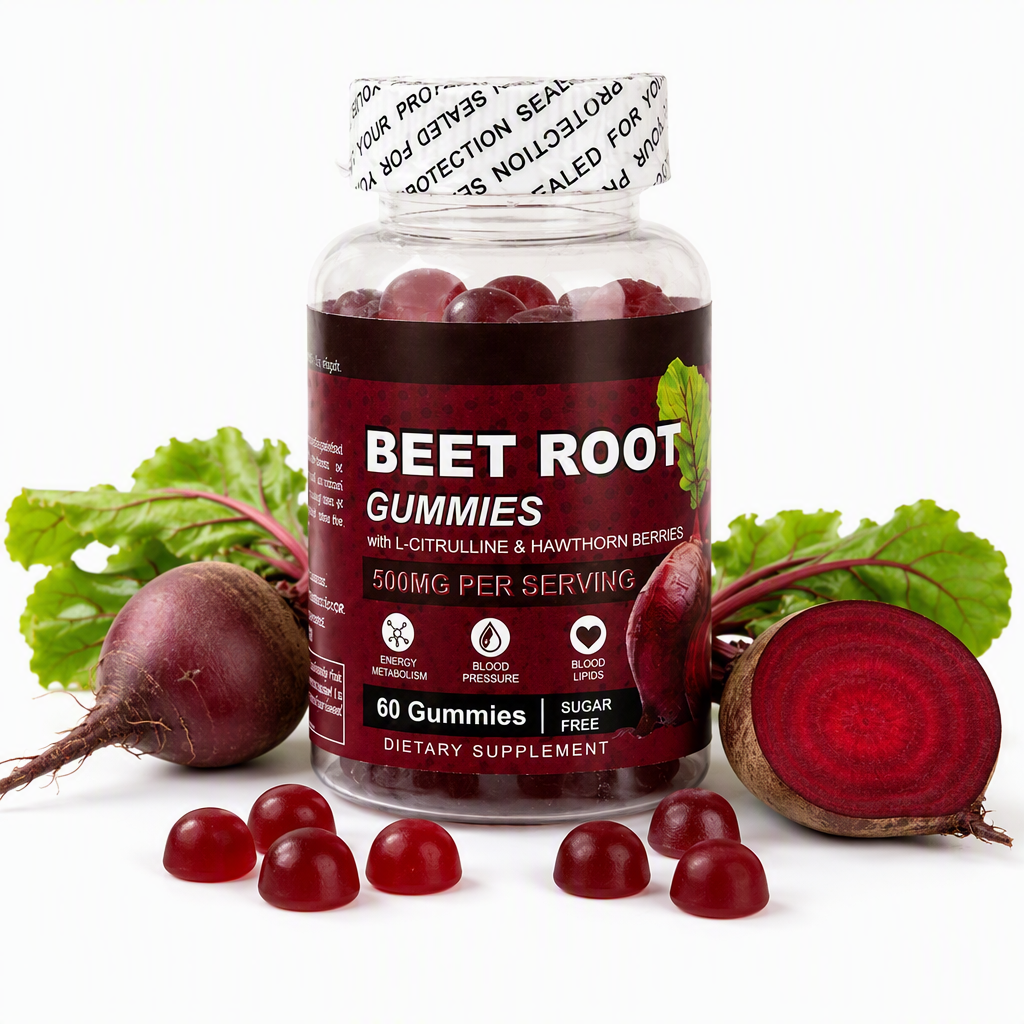 Beet Root Gummies
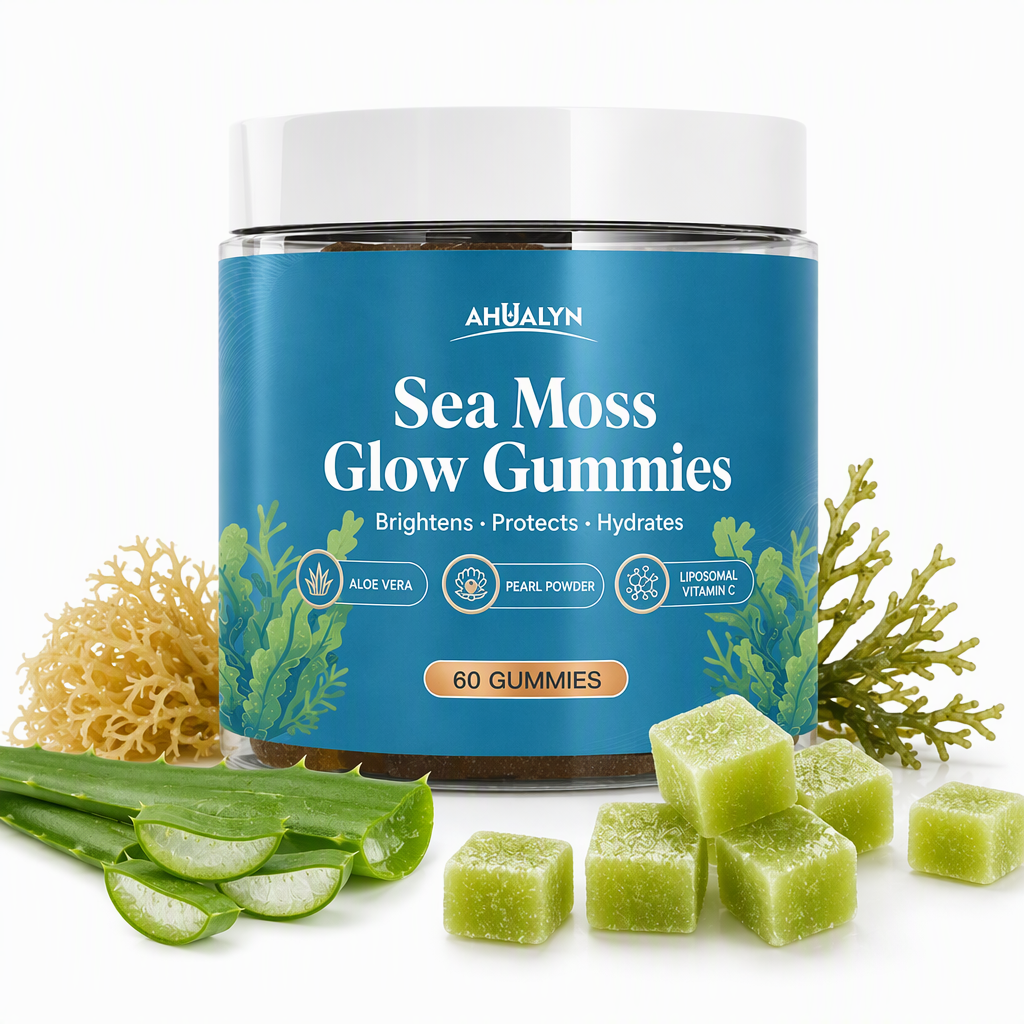 3-in-1 Sea Moss Glow Gummies
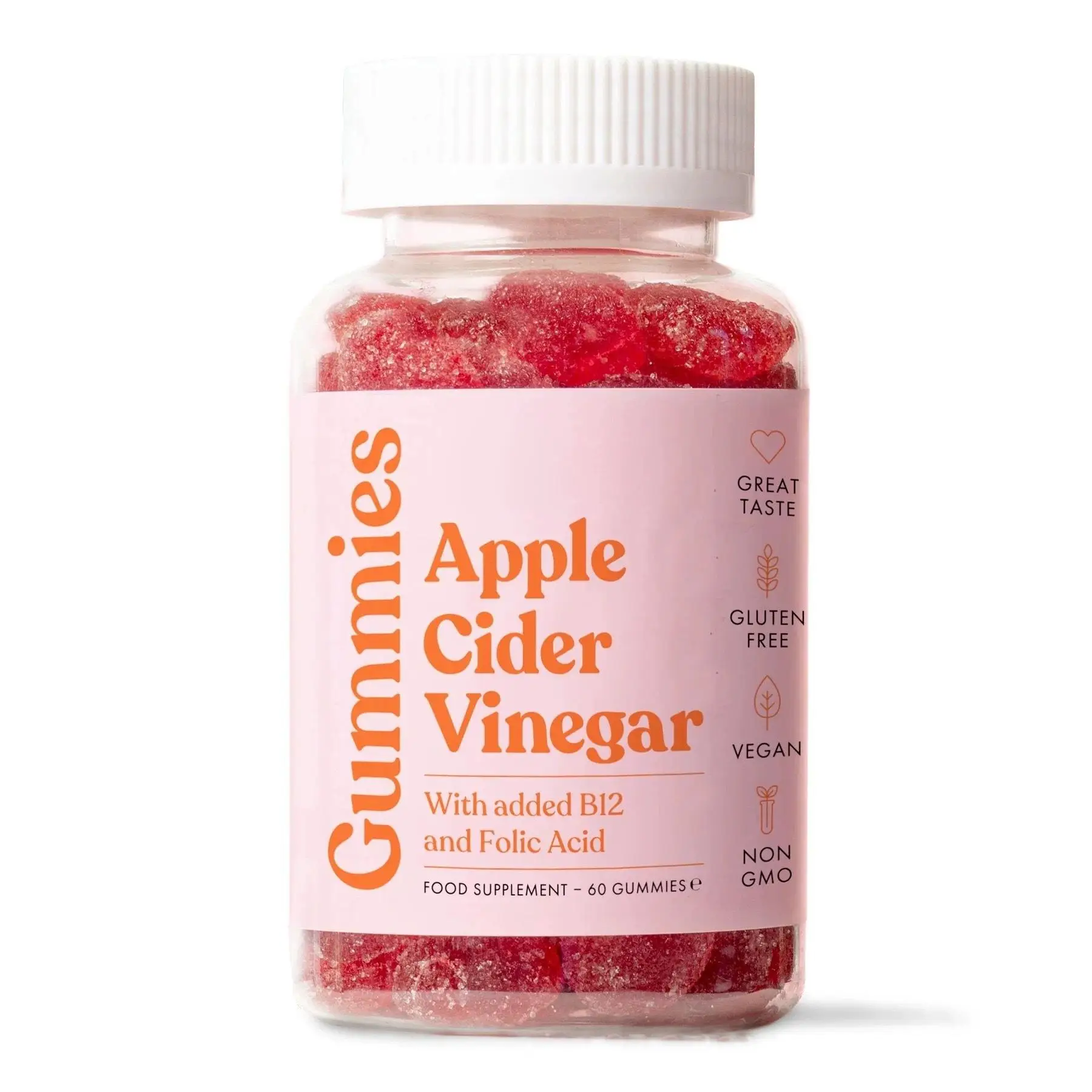 Apple Cider Vinegar Gummies
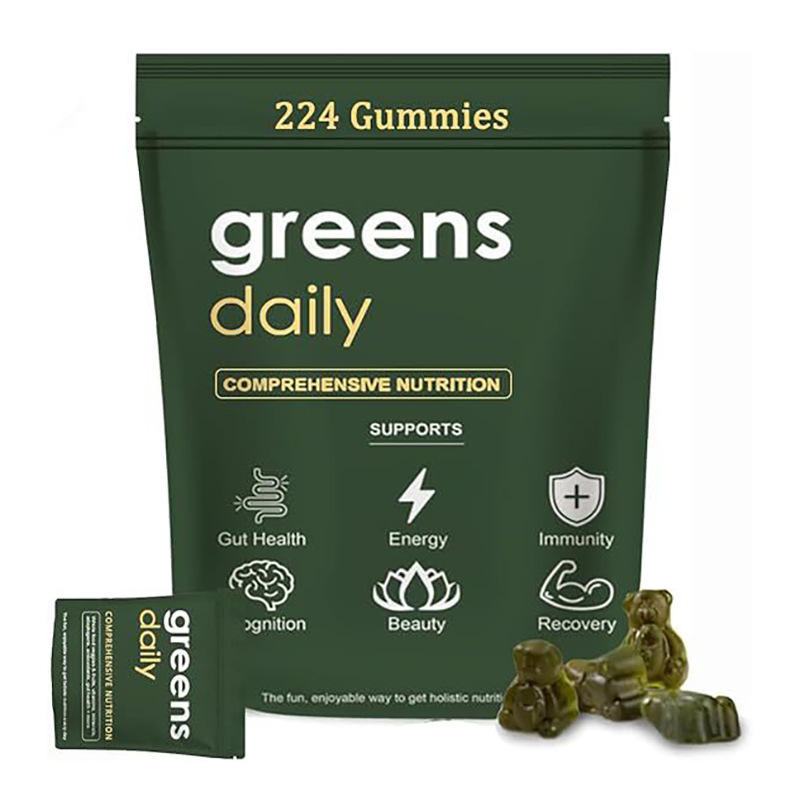 Greens Daily Gummies
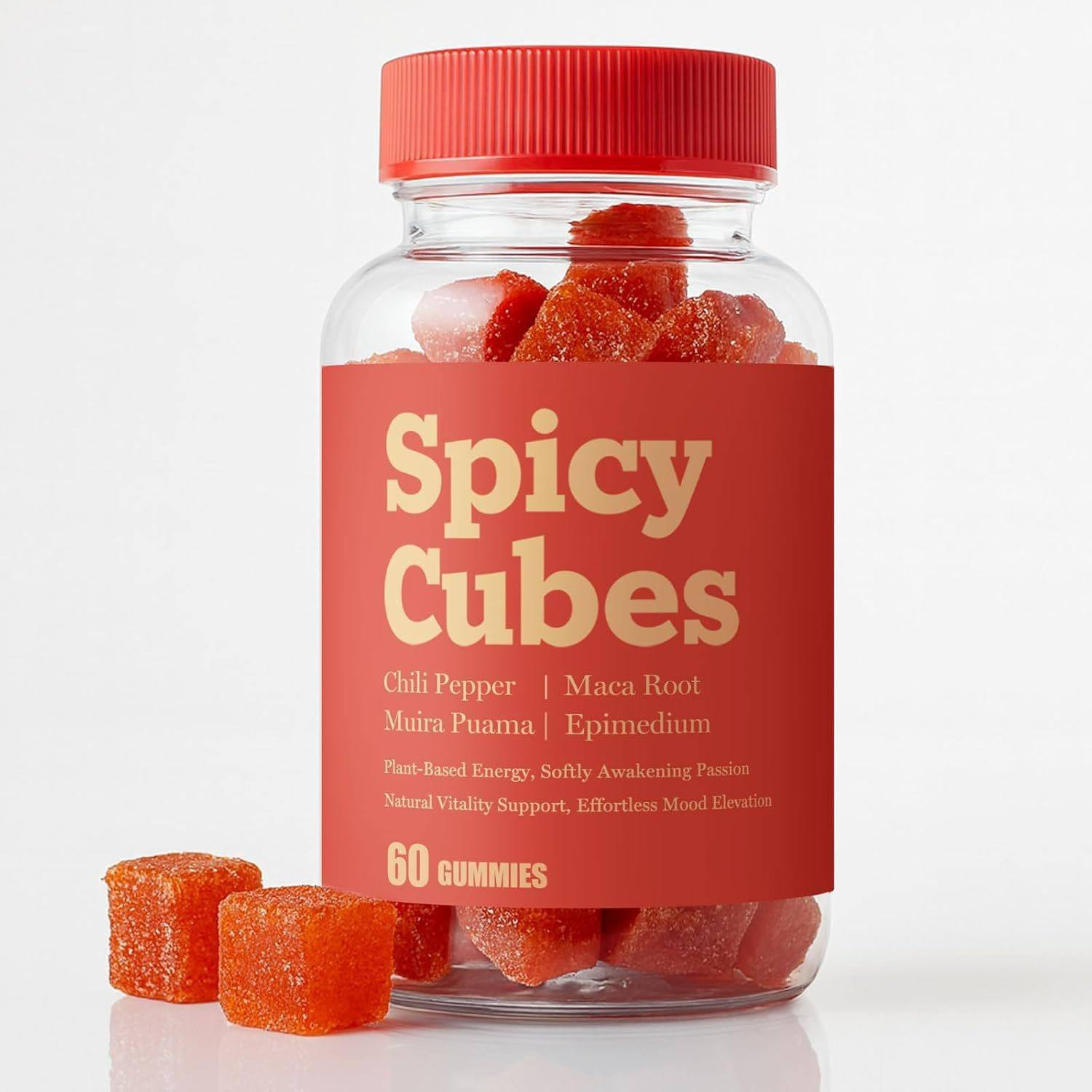 Spicy Cubes Hot Peach Gummies
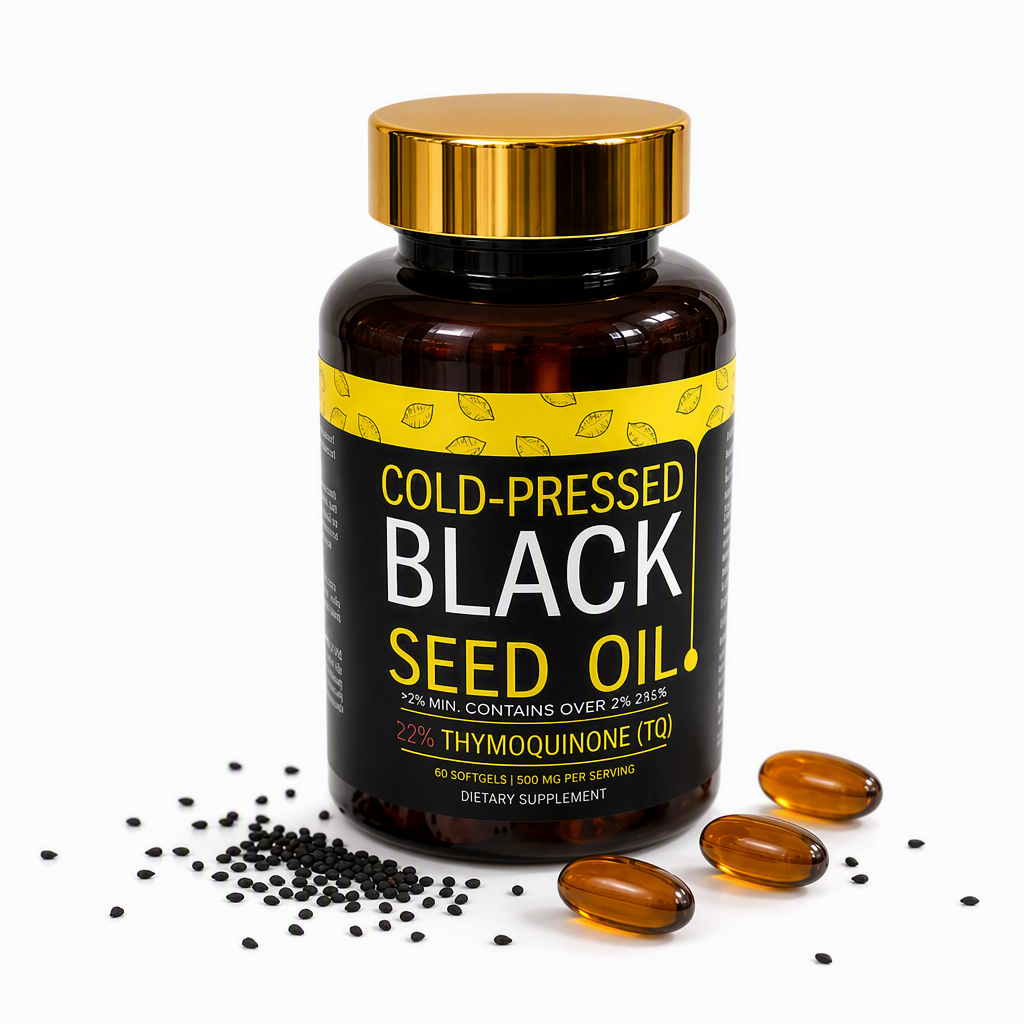 Cold-Pressed Black Seed Oil 500mg
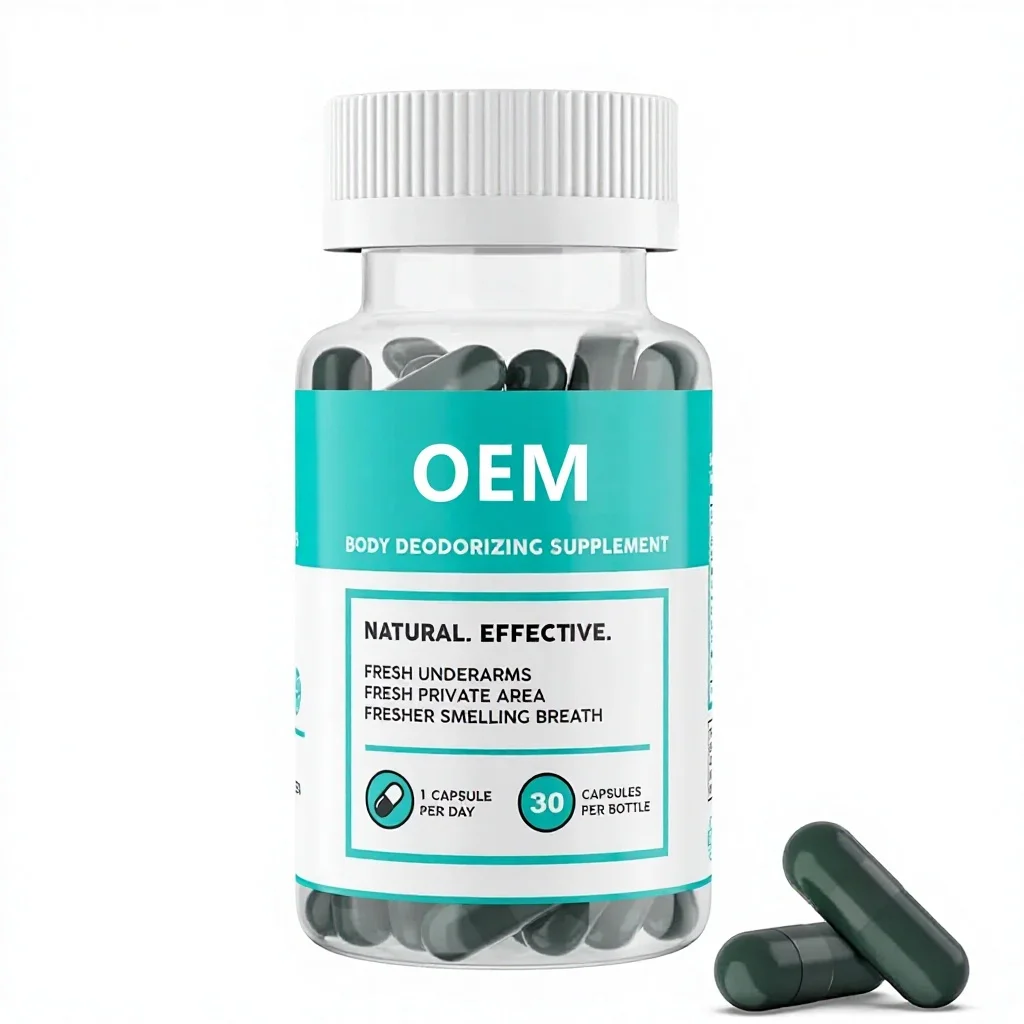 OEM Body Deodorizing Capsules
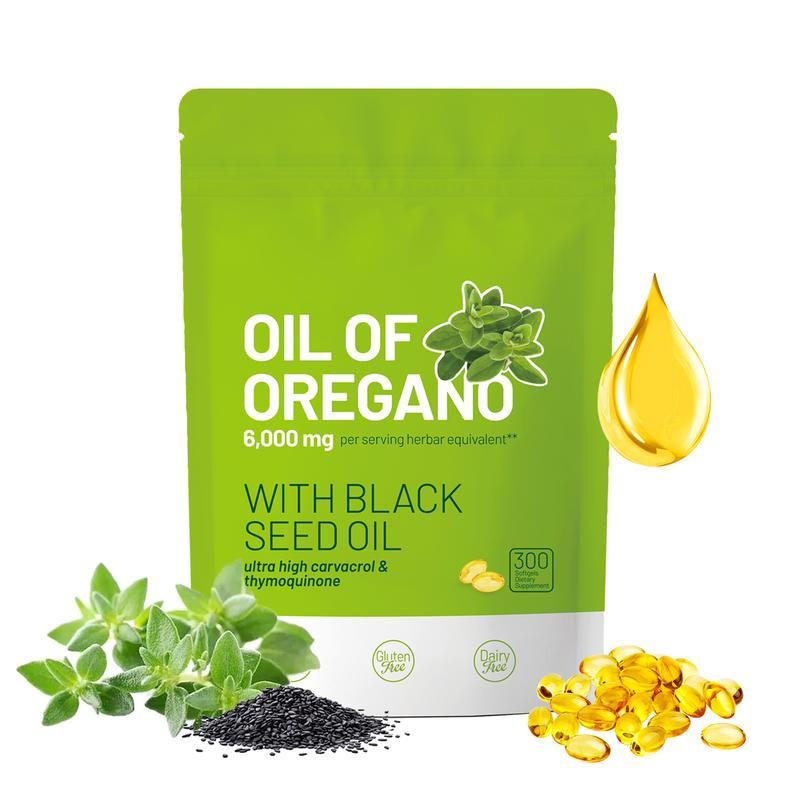 Oil of Oregano with Black Seed Oil
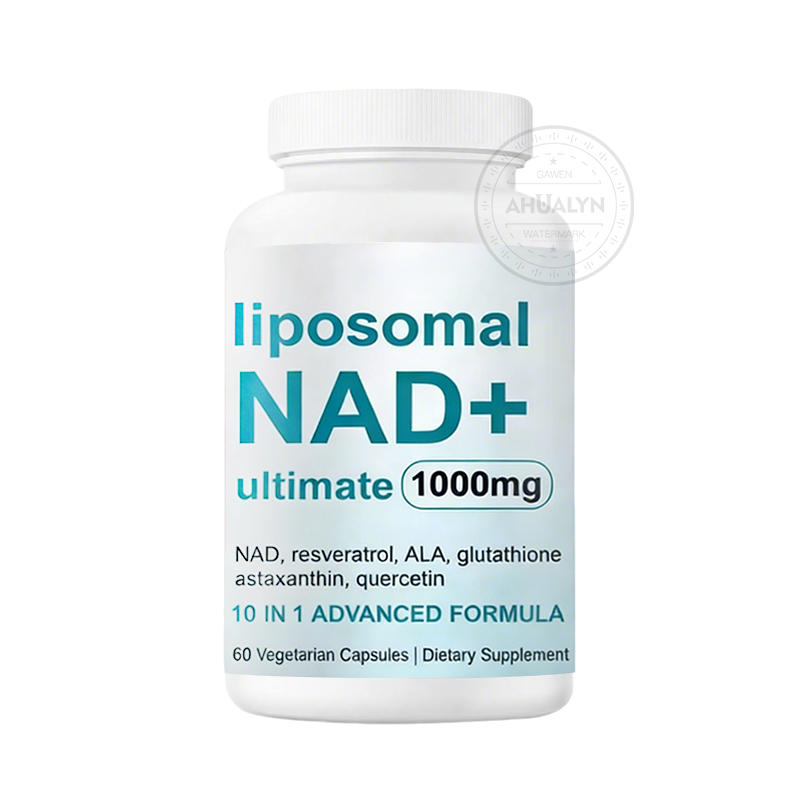 NAD+ Supplement Capsules
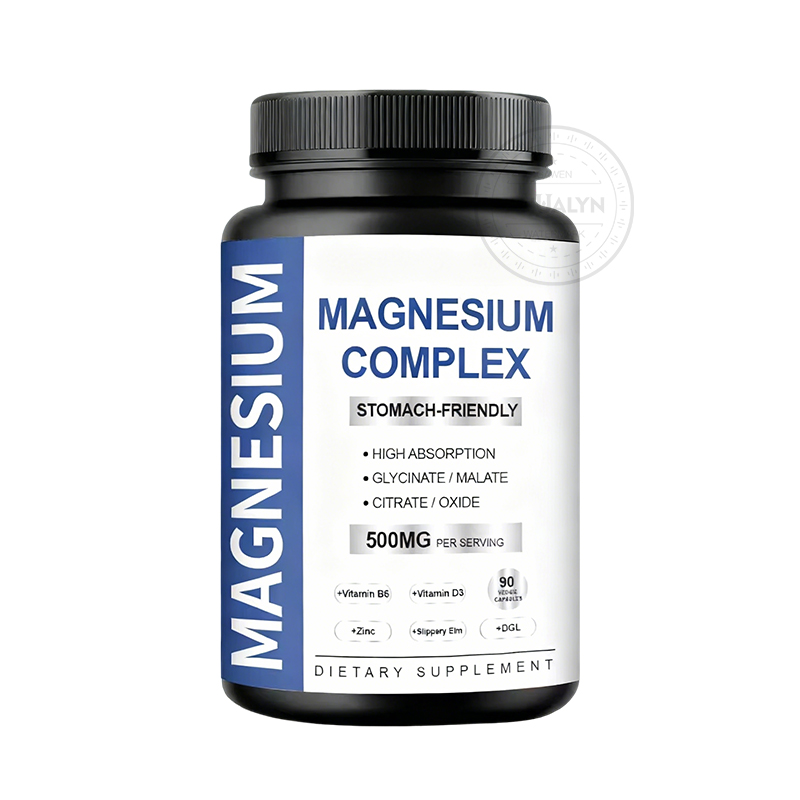 Magnesium Complex Capsules
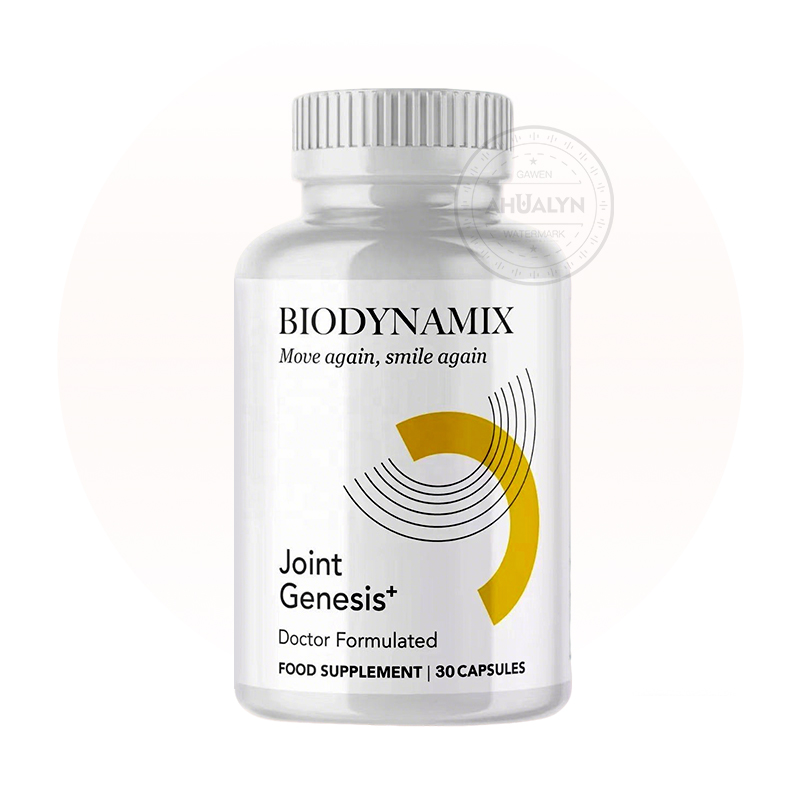 BIODYNAMIX Joint Genesis Capsules
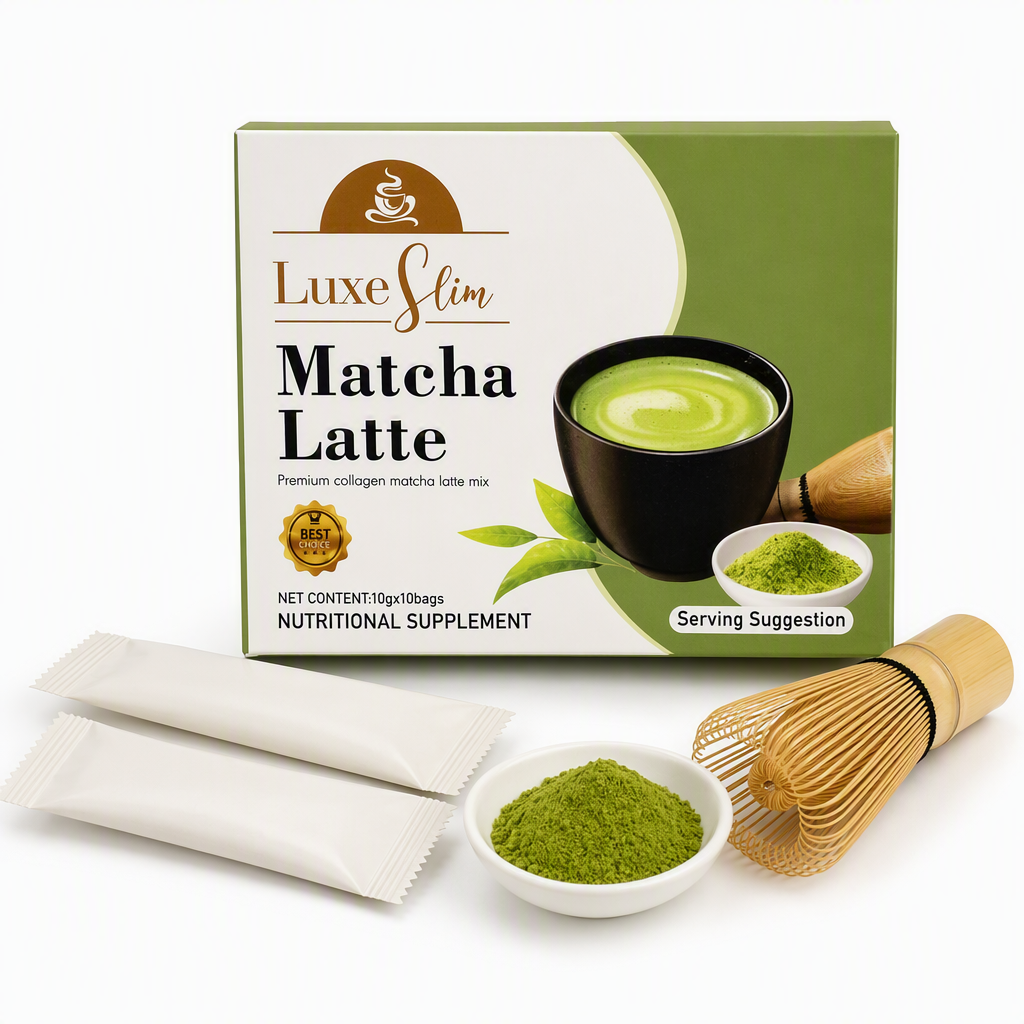 Collagen Matcha Latte
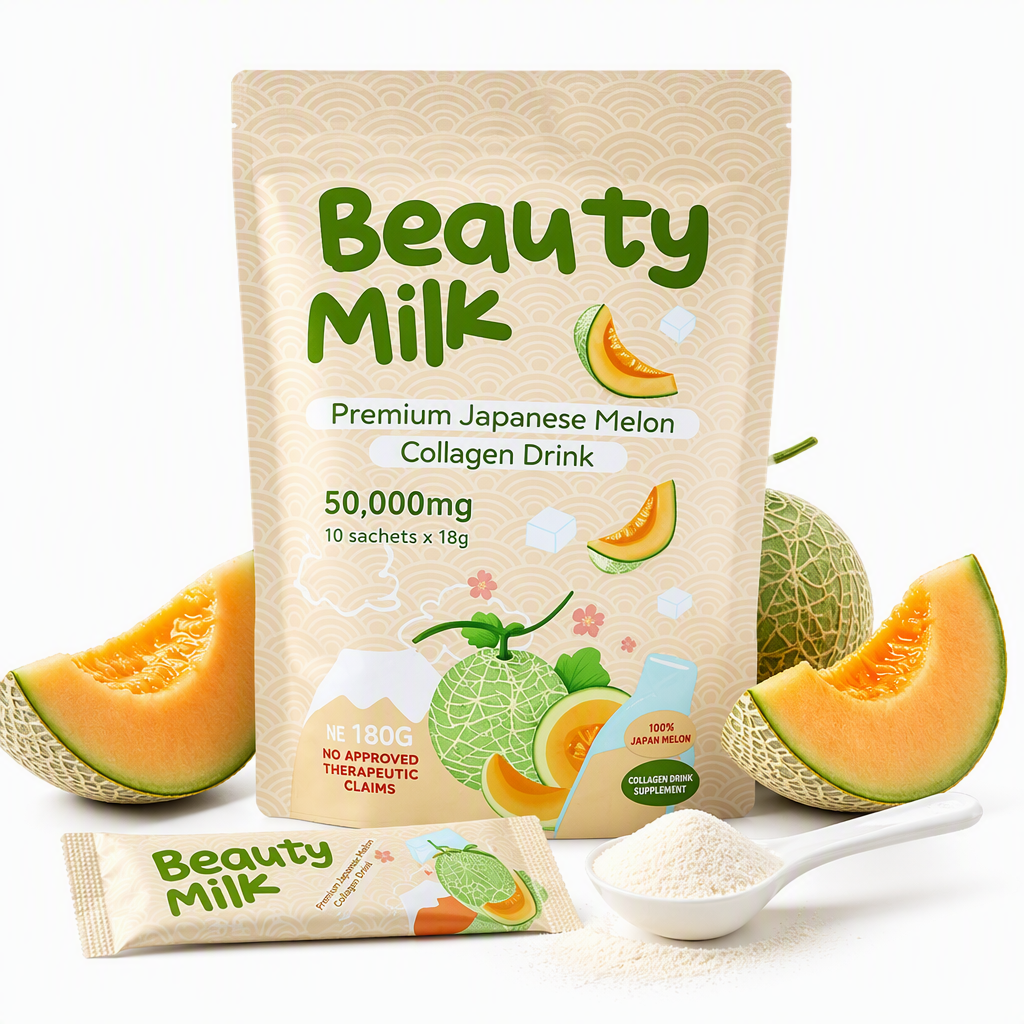 Beauty Milk Collagen Drink
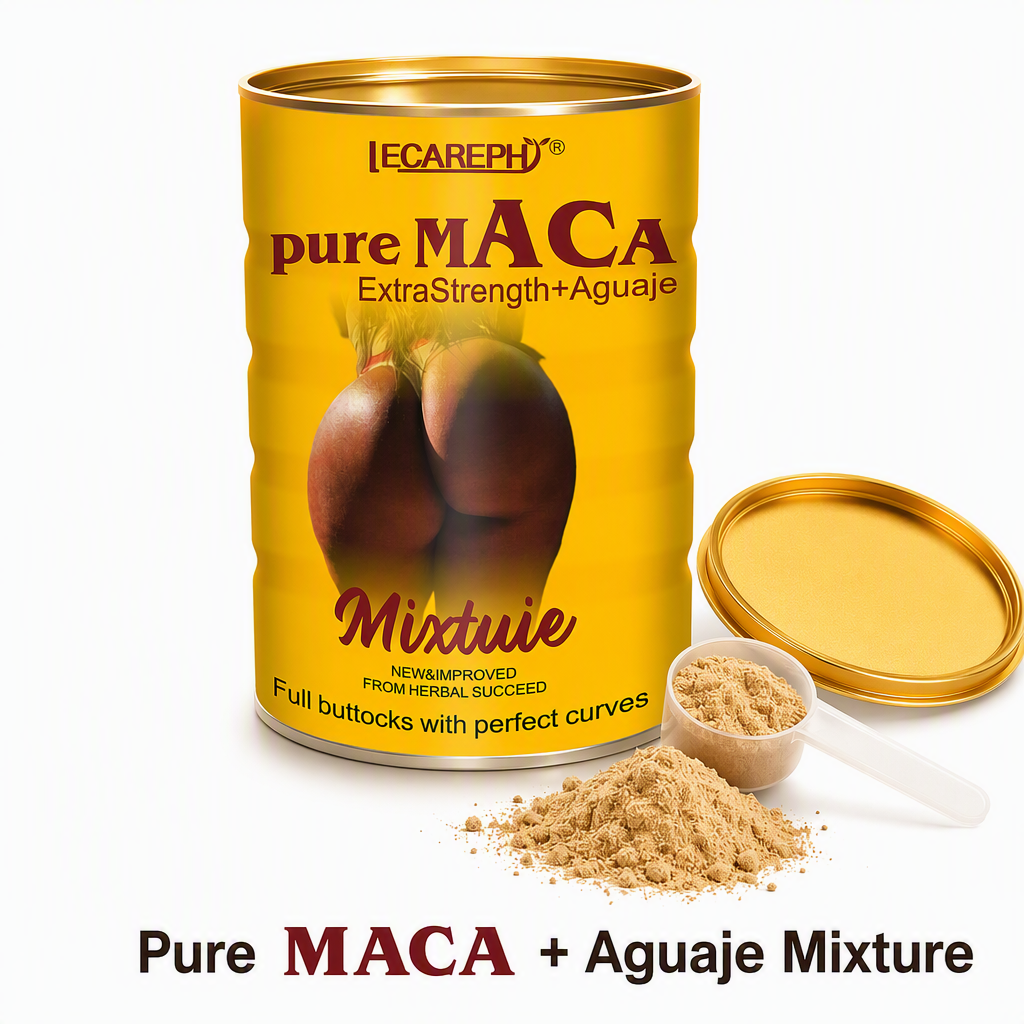 Pure MACA + Aguaje Mixture Powder
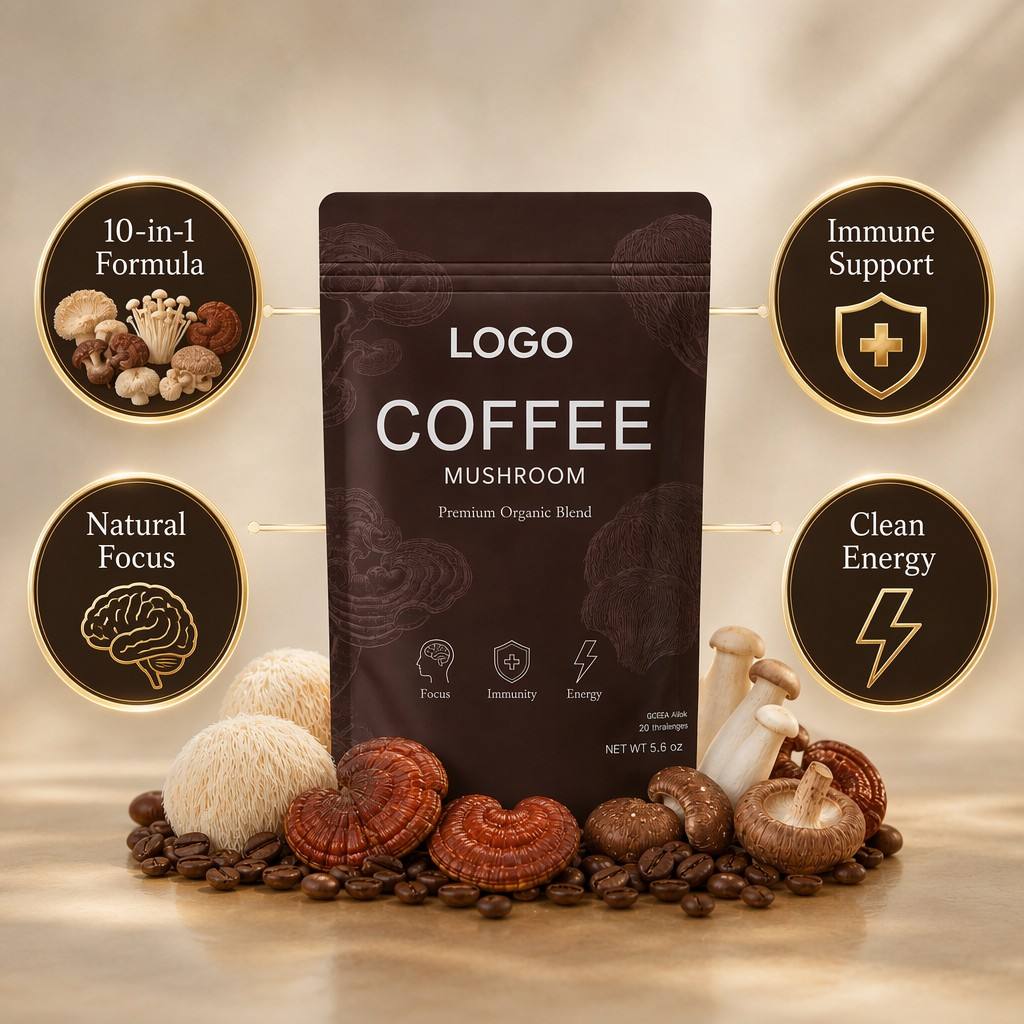 Mushroom Coffee - 10-in-1 Functional Blend
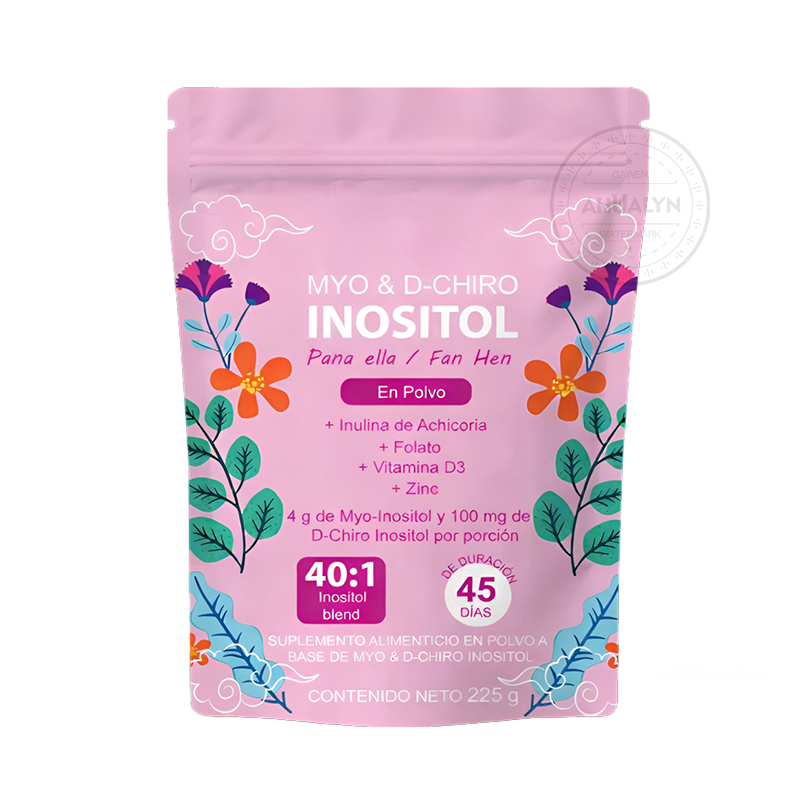 Myo & D-Chiro Inositol Powder 40:1
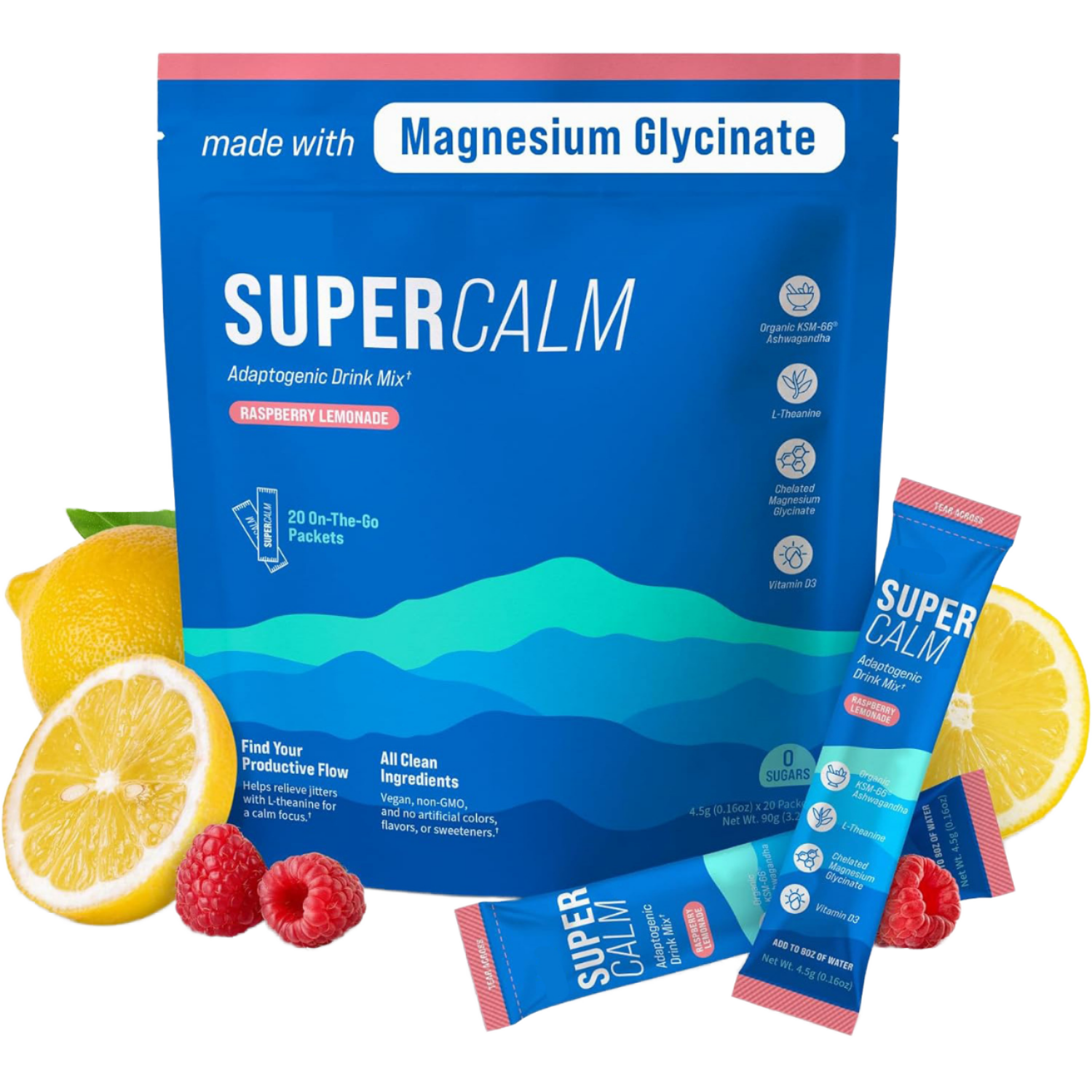 Super Calm Magnesium Powder Supplement
 Food Grade Sodium Hyaluronate
 Cross-linked Sodium Hyaluronate
- Cosmetic Grade Sodium Hyaluronate
 D-panthenol
 γ-Polyglutamic Acid
 Allantoin
 Alpha Arbutin
 Beta Arbutin
 Kojic Acid
 Kojic Acid Dipalmitate
 3-o Ethyl Ascorbic Acid
 Ascorbyl Glucoside
 β-Nicotinamide Mononucleotide(NMN)
 β-Nicotinamide Mononucleotide(NMN)
 Nicotinamide Adenine Dinucleotide(NAD+)
 Glutathione
 Coenzyme Q10
 Pyrroloquinoline Quinone(PQQ)
 Chondroitin Sulfate
 Methyl Sulfonyl Methane
 Glucosamine Hydrochloride
 Glucosamine Sulfate Potassium Chloride
 N-Acetyl-D-Glucosamine
 Vitamin K2
- Industries
- OEM/ODM
- Support