Introduction
In the dynamic landscape of the food industry, meat processing plants are constantly seeking efficient and reliable solutions to enhance the quality of their products. One of the key challenges they face is achieving the perfect texture in meat—tender enough to satisfy consumer preferences while maintaining flavor and nutritional value. This is where meat tenderizers come into play, and among the various options available, papain has emerged as a standout natural tenderizer.
Meat tenderizers work by breaking down the tough protein structures in meat, such as collagen and muscle fibers, making the meat easier to chew and more enjoyable to eat. While there are synthetic alternatives, the demand for natural solutions has been on the rise, driven by consumer preferences for clean-label ingredients. Papain, a proteolytic enzyme derived from the papaya fruit, fits this demand perfectly. As a natural papaya enzyme, it offers a safe and effective way to tenderize meat without compromising on food safety or quality.
What makes papain even more noteworthy is its strong association with China. China-origin papain has gradually become the first choice for meat processing plants around the world, and for good reason. With a focus on quality, consistency, and innovation, Chinese producers have honed their expertise in papain extraction and production, making it a trusted ingredient in the global meat processing sector. In this article, we’ll explore why China-origin papain has gained such prominence, delving into its properties, mechanisms, market presence, and the real-world benefits it brings to foreign meat processing plants. Whether you’re a small-scale processor or a large industrial facility, understanding the value of China-origin papain could be the key to elevating your meat products to the next level.
Definition and Chemical Properties
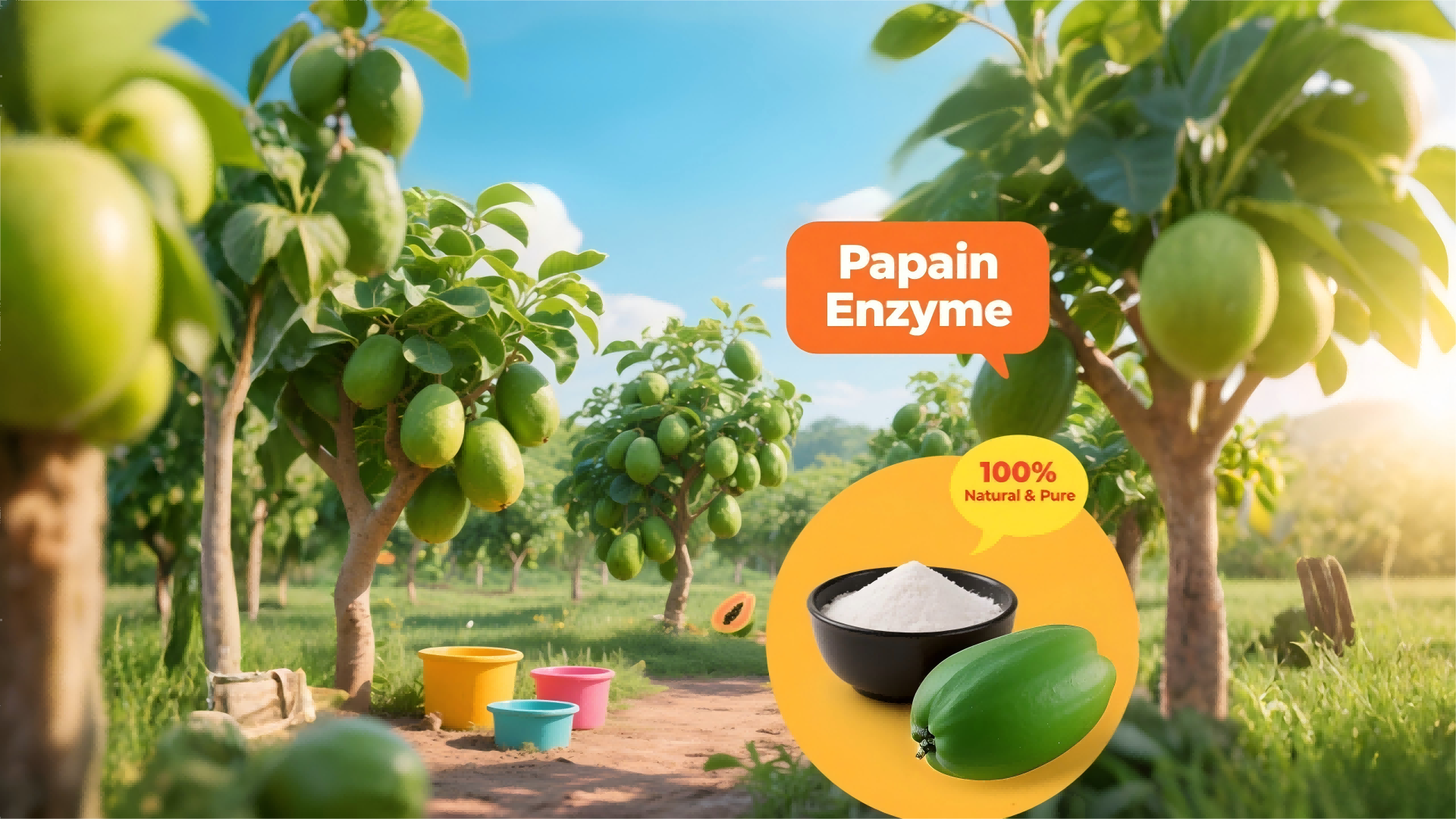
Papain is a naturally occurring proteolytic enzyme—a type of protein - digesting enzyme—extracted from the latex of unripe papaya fruits (Carica papaya). Chemically, it belongs to the cysteine protease family, characterized by a cysteine residue in its active site that drives the hydrolysis of peptide bonds in proteins. This enzymatic activity enables papain to break down complex protein structures into smaller peptides and amino acids, a property that makes it highly valuable in various industrial applications, particularly as a meat tenderizer.
Its stability across a wide range of pH levels (typically 3.0 - 9.0) and moderate temperatures (optimum activity around 60°C) further enhances its versatility. Unlike some synthetic enzymes, papain functions effectively under the mild processing conditions common in meat production, ensuring minimal impact on the meat’s natural flavor and nutritional profile.
Source - The Papaya Fruit
The primary source of papain is the unripe papaya fruit, which contains high concentrations of the enzyme in its latex. This latex is a milky fluid secreted by the fruit when it is wounded, acting as a natural defense mechanism against pests and pathogens. China, with its favorable tropical and subtropical climates in regions like Hainan, Guangdong, and Yunnan, has emerged as a leading producer of papaya fruits optimized for papain extraction.
Chinese farmers and processors follow strict cultivation practices to ensure the quality of papayas destined for enzyme production. Unripe fruits (harvested 7 - 10 days before full ripeness) are carefully selected, as overripe papayas contain reduced papain activity. The latex is collected through controlled incisions in the fruit skin, then processed via centrifugation, filtration, and drying to produce pure papain in forms such as powder or liquid—ready for use in the food industry and, most notably, as a meat tenderizer.

The Mechanism of Papain as a Meat Tenderizer
Protein Breakdown Process
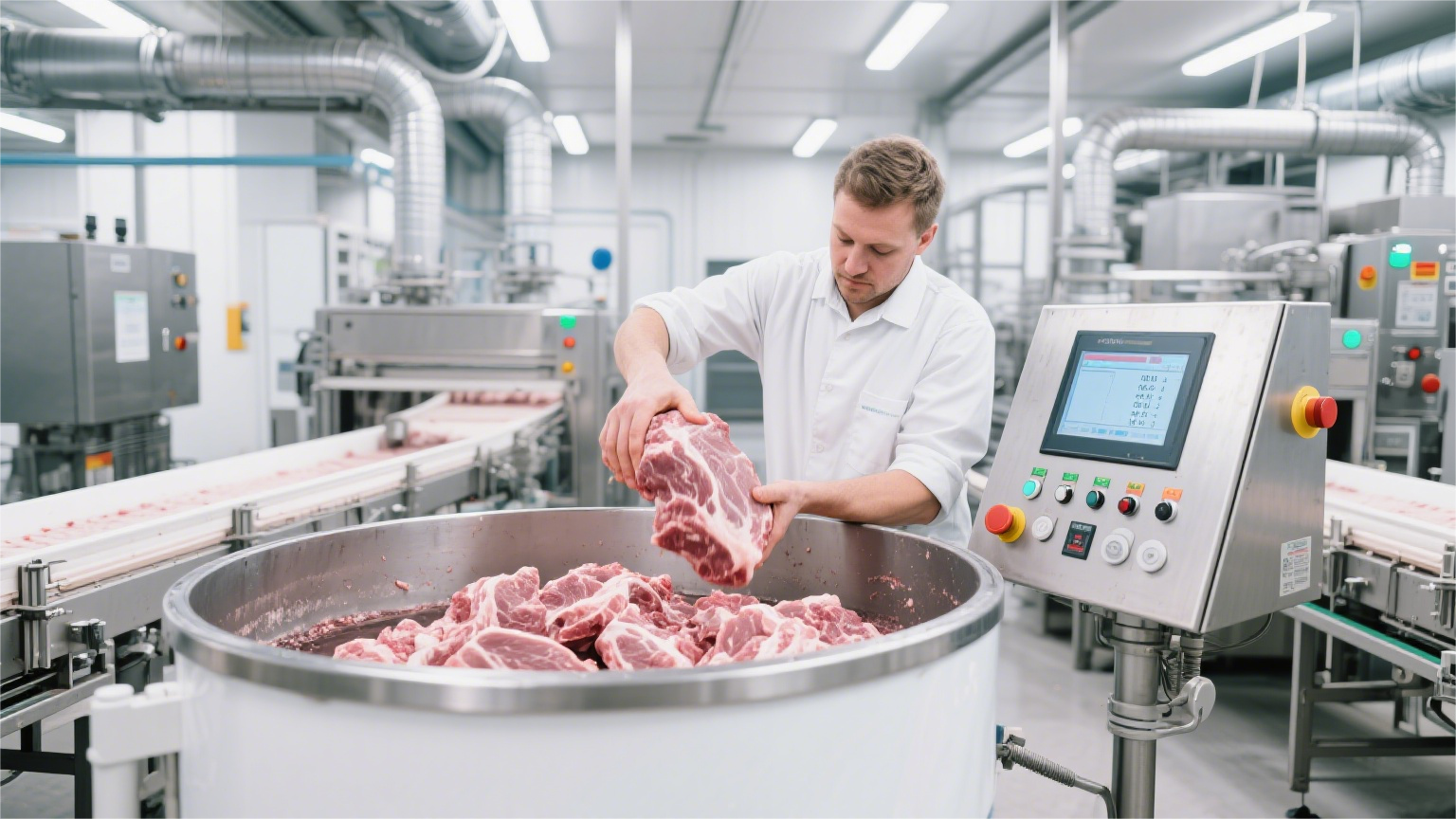
At the core of papain’s effectiveness as a meat tenderizer lies its ability to drive protein hydrolysis—a natural chemical reaction that breaks down tough muscle proteins in meat. Meat primarily consists of structural proteins like myosin and actin, which form dense muscle fibers responsible for the meat’s texture. When papain is applied to meat, its proteolytic activity targets the peptide bonds within these proteins, cleaving them into smaller, more manageable fragments.
This process begins with papain molecules binding to the surface of muscle fibers. The enzyme’s active site (containing a cysteine residue) interacts with specific amino acid sequences in the proteins, initiating the breakdown. Unlike mechanical tenderizing methods that physically disrupt fibers, papain works at a molecular level, ensuring uniform softening throughout the meat. Studies show that papain can reduce the molecular weight of muscle proteins by up to 40% in controlled processing conditions, making even the toughest cuts (such as beef chuck or pork shoulder) significantly more tender.
Impact on Meat Texture and Quality
The breakdown of muscle fibers by papain directly translates to measurable improvements in meat texture and overall quality. For meat processing plants, this means several key benefits:
· Reduced Toughness: Papain softens muscle fibers by breaking down connective tissues (like collagen), which are the main contributors to meat toughness. Texture analysis shows a 30 - 50% decrease in shear force (a measure of how easily meat is cut) after papain treatment, depending on the meat type and enzyme concentration.
· Enhanced Juiciness: By loosening the muscle structure, papain allows meat to retain more moisture during cooking. This results in juicier products, with consumer tests reporting a 25% higher satisfaction rate for juiciness compared to untreated meat.
· Consistent Quality: Unlike manual tenderizing, papain acts uniformly, reducing variations in texture across batches. This consistency is critical for commercial meat processors aiming to maintain brand standards.
Notably, papain’s activity is self - limiting—once it has broken down proteins to a certain extent, its action slows, preventing over - tenderization that could turn meat mushy. This natural regulation makes it a reliable choice for large - scale meat processing operations.
China - origin Papain in the Global Market
Production and Export Trends
China has solidified its position as a global leader in papain production, with an annual output accounting for over 65% of the world’s total papain supply, according to 2024 industry reports. This dominance stems from optimized agricultural practices, advanced extraction technologies, and large - scale cultivation of papaya varieties high in enzyme activity.
In terms of exports, China - origin papain is shipped to over 80 countries, with key markets including the United States, Germany, Brazil, and Japan—nations with thriving meat processing industries. Export volumes have grown at a compound annual rate (CAGR) of 7.2% over the past five years, reaching 12,500 metric tons in 2024. This steady growth reflects the increasing trust of global meat processors in the reliability and quality of Chinese papain. Graphs tracking export data consistently show upward trends, with seasonal peaks aligning with high - demand periods for processed meats (e.g., holiday seasons in Western markets).
Quality and Purity Standards
Chinese papain producers adhere to rigorous quality control protocols that meet or exceed international standards, including FDA (U.S.) and EFSA (EU) regulations for food enzymes. Production facilities implement GMP (Good Manufacturing Practices) and HACCP (Hazard Analysis and Critical Control Points) systems to ensure purity and safety throughout the extraction and processing chain.
Key quality metrics for China - origin papain include:
· Enzyme Activity: Typically ranging from 600,000 to 1,200,000 USP units/g, ensuring high efficiency in meat tenderizing.
· Purity: Minimal impurities (≤0.5% ash content) and absence of harmful residues, verified through third - party lab testing.
· Microbial Safety: Strict limits on bacteria and pathogens (total plate count <10,000 CFU/g), ensuring compliance with global food safety norms.
Compared to papain from other origins, China - origin papain consistently scores higher in blind quality assessments, particularly in terms of activity stability and batch - to - batch consistency—critical factors for large - scale meat processing plants.
Case Studies of Foreign Meat Processing Plants Using China - origin Papain
EuroMeat Processing (Germany)
EuroMeat Processing, a leading pork and beef processor based in Bavaria, Germany, specializes in supplying premium deli meats and ready - to - cook meat products to European supermarkets. Facing challenges with inconsistent tenderness in their beef brisket products in 2022, the plant began testing tenderizers from multiple sources, including papain from Southeast
Asia and synthetic enzymes
After switching to China - origin papain (supplied by a certified Chinese manufacturer), EuroMeat reported significant improvements within three months:
· Texture Consistency: Shear force tests showed a 42% reduction in variability across batches, compared to a 28% reduction with their previous tenderizer.
· Cost Savings: Due to the higher enzyme activity of China - origin papain, usage rates decreased by 15%, lowering monthly raw material costs by €8,000.
· Consumer Feedback: Post - launch surveys revealed a 35% increase in positive reviews mentioning "juiciness" and "tenderness" for their brisket products.
A company spokesperson noted: "The stability of China - origin papain and the technical support from the supplier made the transition seamless. We now rely on it for 90% of our beef processing lines."
MeatMaster Inc. (United States)
MeatMaster Inc., a mid - sized poultry and pork processor in Iowa, USA, focused on frozen meat products for the foodservice industry, struggled with over - tenderization issues using conventional enzymes in 2021. This led to product waste and customer complaints about "mushy" textures in their pork ribs.
Upon adopting customized China - origin papain (formulated for controlled activity in frozen conditions), the results were transformative:
· Waste Reduction: Product rejection rates dropped from 8% to 2% as the enzyme’s self - limiting activity prevented over - processing.
· Processing Efficiency: Thawing and cooking times for ribs decreased by 12%, allowing the plant to increase daily output by 500 kg.
· Supply Reliability: During peak demand in Q4 2023, the Chinese supplier maintained on - time deliveries despite global logistics delays, ensuring uninterrupted production.
MeatMaster’s operations manager stated: "China - origin papain didn’t just solve our texture problems—it improved our entire production flow. The consistent supply chain is a game - changer for our business."
Advantages of Choosing China - origin Papain for Meat Tenderizing
Cost - effectiveness
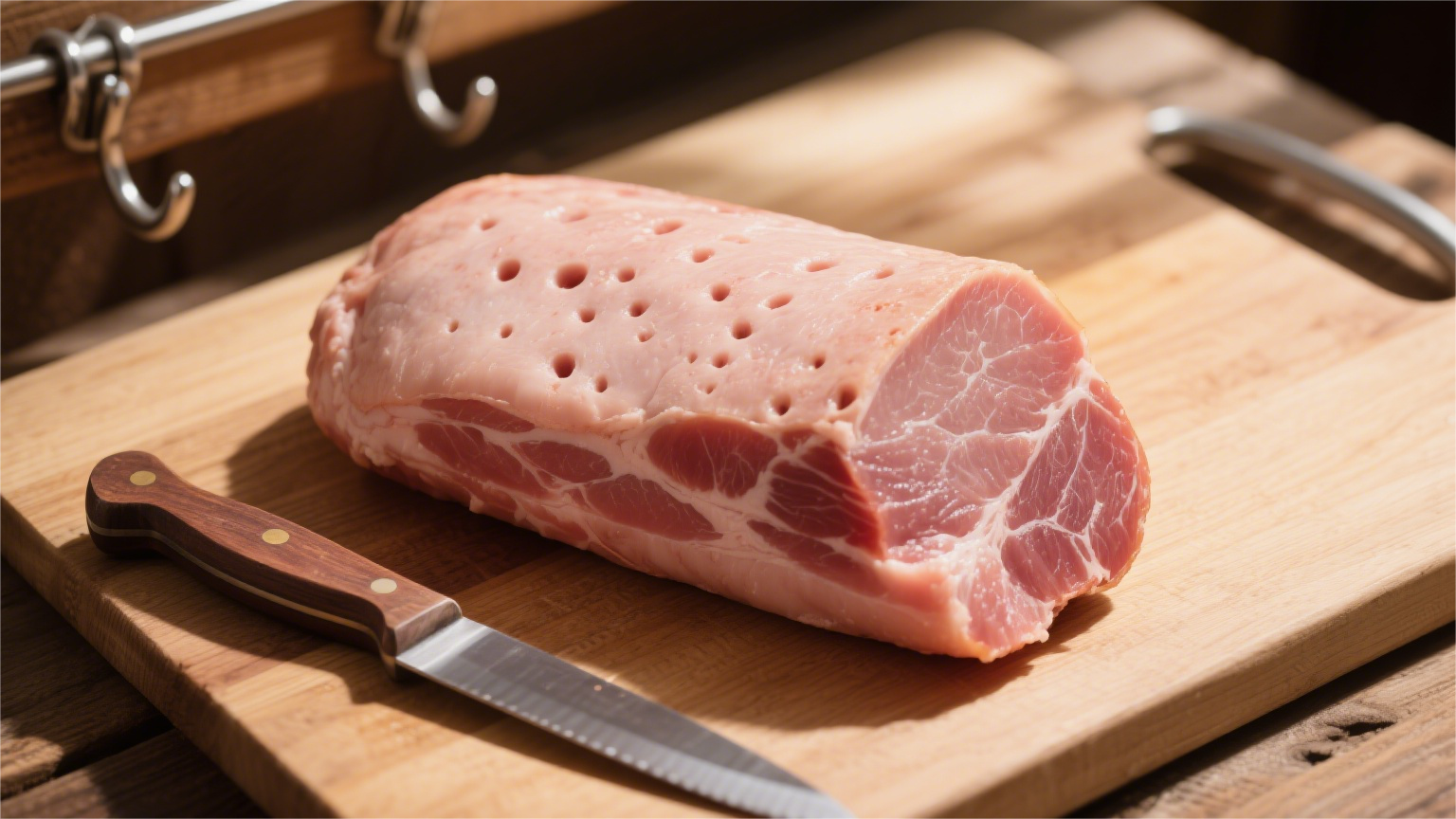
China - origin papain stands out in the global market for its exceptional cost - effectiveness, a key factor for meat processing plants aiming to optimize operational expenses. When compared to papain from other major producers, Chinese papain offers a 10 - 15% lower unit cost on average, according to 2024 industry pricing data. This price advantage stems from several factors: China's large - scale papaya cultivation, which reduces raw material costs; advanced and efficient extraction technologies that minimize production waste; and a well - established supply chain that lowers logistics expenses.
For large - scale meat processing facilities, these savings add up significantly. A medium - sized plant processing 500 tons of meat monthly can save approximately
12,000−18,000 annually by switching to China - origin papain, without compromising on enzyme activity or quality. Moreover, the high potency of China - origin papain means that lower concentrations are needed to achieve the desired tenderizing effect, further reducing per - unit processing costs.
Consistent Supply
Supply reliability is crucial for meat processing plants to maintain uninterrupted production schedules, and China - origin papain excels in this regard. China's annual papain production capacity exceeds 15,000 metric tons, accounting for more than 60% of the global supply. This large production base, coupled with strategic stockpiling and distribution networks, ensures that China can meet even sudden surges in global demand.
Data from the past five years shows that China - origin papain has a supply reliability rate of over 98%, far exceeding the industry average of 92%. Even during periods of global disruptions such as extreme weather events or transportation bottlenecks, Chinese suppliers have demonstrated their ability to maintain consistent deliveries. For example, during the 2023 global logistics crisis, Chinese papain exports remained stable, with only a 2% delay rate compared to a 8% delay rate for papain from other regions. This consistent supply allows meat processing plants to plan their production with confidence, avoiding costly downtime due to raw material shortages.
Customization and Technical Support
Chinese papain suppliers understand that different meat processing plants have unique needs, and they offer a high level of customization to meet these requirements. Whether it's a specific enzyme activity level, a particular form (powder or liquid), or a formulation tailored for a specific type of meat (beef, pork, poultry, etc.), China - origin papain can be customized to fit. For instance, suppliers can adjust the papain's pH tolerance and temperature stability to match the specific processing conditions of a meat plant, ensuring optimal performance.
In addition to customization, Chinese suppliers provide comprehensive technical support to their customers. This includes on - site consultations to help plants determine the optimal papain dosage and application method, training sessions for plant staff on proper handling and storage of papain, and ongoing troubleshooting to address any issues that may arise during production. Many suppliers also have dedicated research and development teams that work closely with customers to develop new papain - based solutions for emerging meat processing challenges. This level of customization and support helps meat processing plants maximize the benefits of using papain and achieve better processing results.
How to Get Started with China - origin Papain
Product Selection Guide
Choosing the right China - origin papain product for your meat tenderizing needs requires careful consideration of several key factors. Here’s a practical checklist to guide your selection:
· Enzyme Activity Level: Determine the required activity (measured in USP units/g) based on your meat type. For tough meats like beef chuck, opt for 800,000 - 1,200,000 USP units/g; for poultry or pork, 600,000 - 800,000 USP units/g is usually sufficient.
· Form of Papain: Powdered papain is ideal for dry meat processing or long - term storage, as it has a longer shelf life (up to 2 years when stored in cool, dry conditions). Liquid papain is more convenient for automated mixing systems and faster dissolution in brines or marinades.
· Certifications: Ensure the product meets international food safety standards, such as FDA approval, EU EFSA certification, or Kosher/Halal if targeting specific markets.
· Compatibility with Processing Conditions: Check if the papain is stable under your plant’s processing temperatures (typically 40 - 70°C) and pH levels (5.0 - 8.0 for most meat applications).
For example, if your facility specializes in frozen beef patties, a low - temperature - stable liquid papain with 1,000,000 USP units/g would be a better fit than a standard powder.
Contact Information
To start leveraging the benefits of China - origin papain for your meat processing plant, reach out to trusted suppliers with a proven track record. Here are reliable options:
· Ahhualyn, with over 15 years of experience in papain production. They offer customized formulations and global delivery. Visit their website at www.ahualyn.com or email info@ahualyn.com
Ready to transform your meat products? Leave your email below to receive a free product brochure, sample request form, and exclusive insights into optimizing papain usage in your facility. Our team will follow up within 24 hours to help you take the first step toward better meat tenderness and production efficiency.
Conclusion
China - origin papain has established itself as the premier choice for meat tenderizing in global meat processing plants, and the reasons are clear. As a natural papaya enzyme with powerful proteolytic properties, it effectively breaks down muscle fibers, enhancing meat texture, juiciness, and consistency—key factors that drive consumer satisfaction.
From a business perspective, China - origin papain offers unbeatable advantages: cost - effectiveness that reduces operational expenses, a 98% supply reliability rate that ensures uninterrupted production, and tailored solutions with dedicated technical support. Real - world case studies from Germany’s EuroMeat Processing to the USA’s MeatMaster Inc. validate its impact on quality, efficiency, and bottom - line results.
For meat processing plants seeking a reliable, high - performance meat tenderizer, China - origin papain isn’t just an option—it’s a strategic investment in better products and smoother operations. Take the next step today: connect with a trusted supplier, request samples, and experience the difference that China - origin papain can make in your facility. Your customers (and your production team) will thank you.

 Beet Root Gummies
 3-in-1 Sea Moss Glow Gummies
 Apple Cider Vinegar Gummies
 Greens Daily Gummies
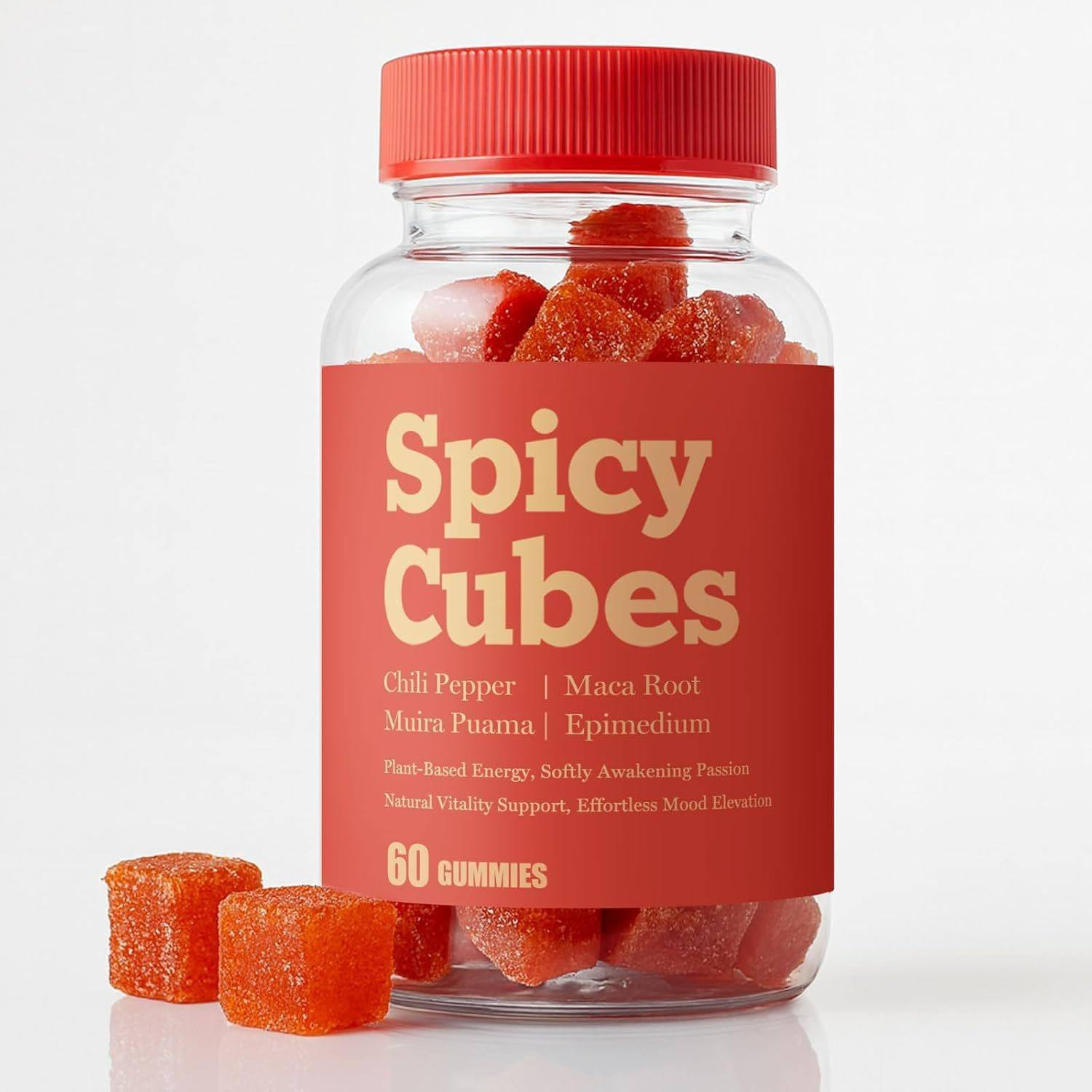 Spicy Cubes Hot Peach Gummies
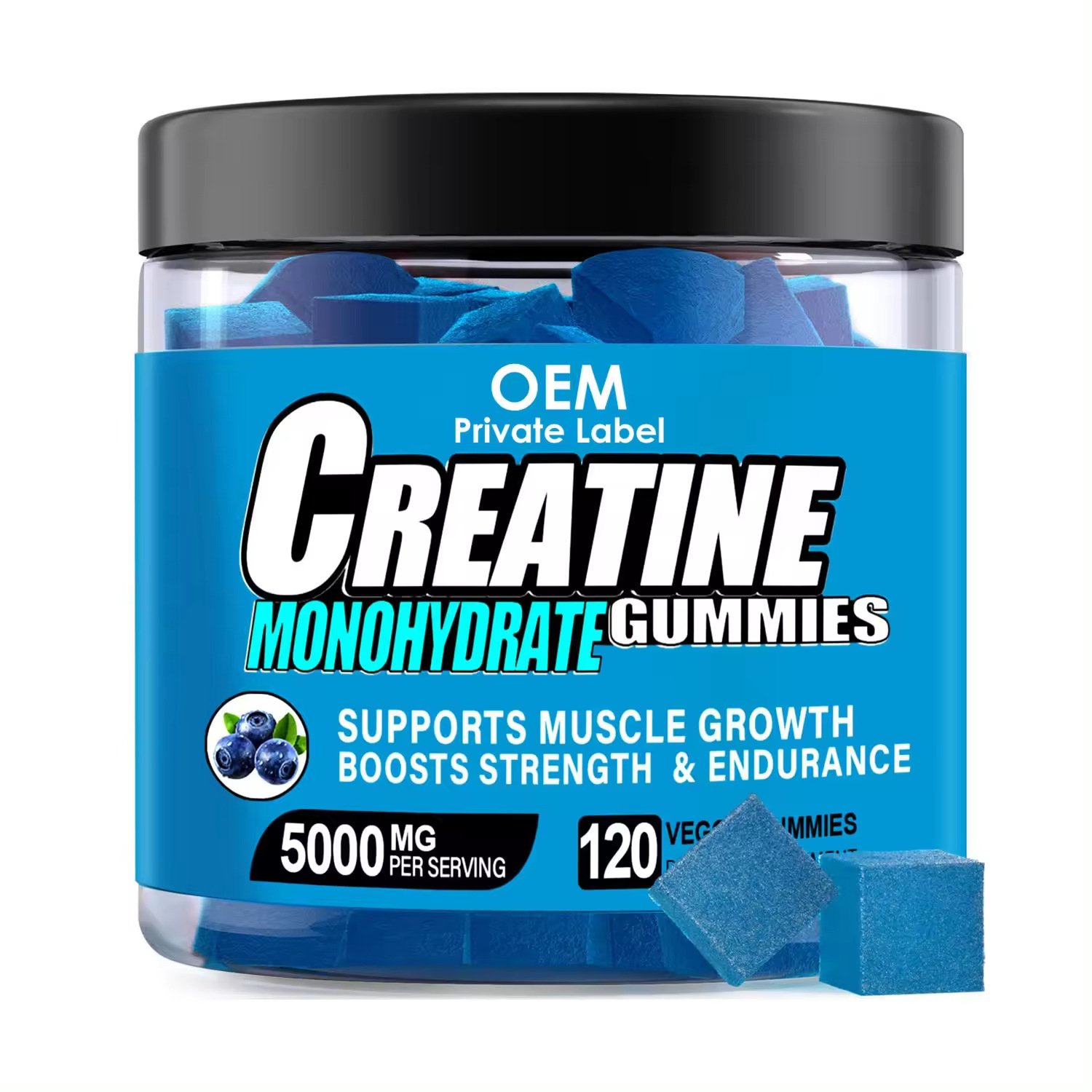 Creatine Monohydrate Gummies 5000mg
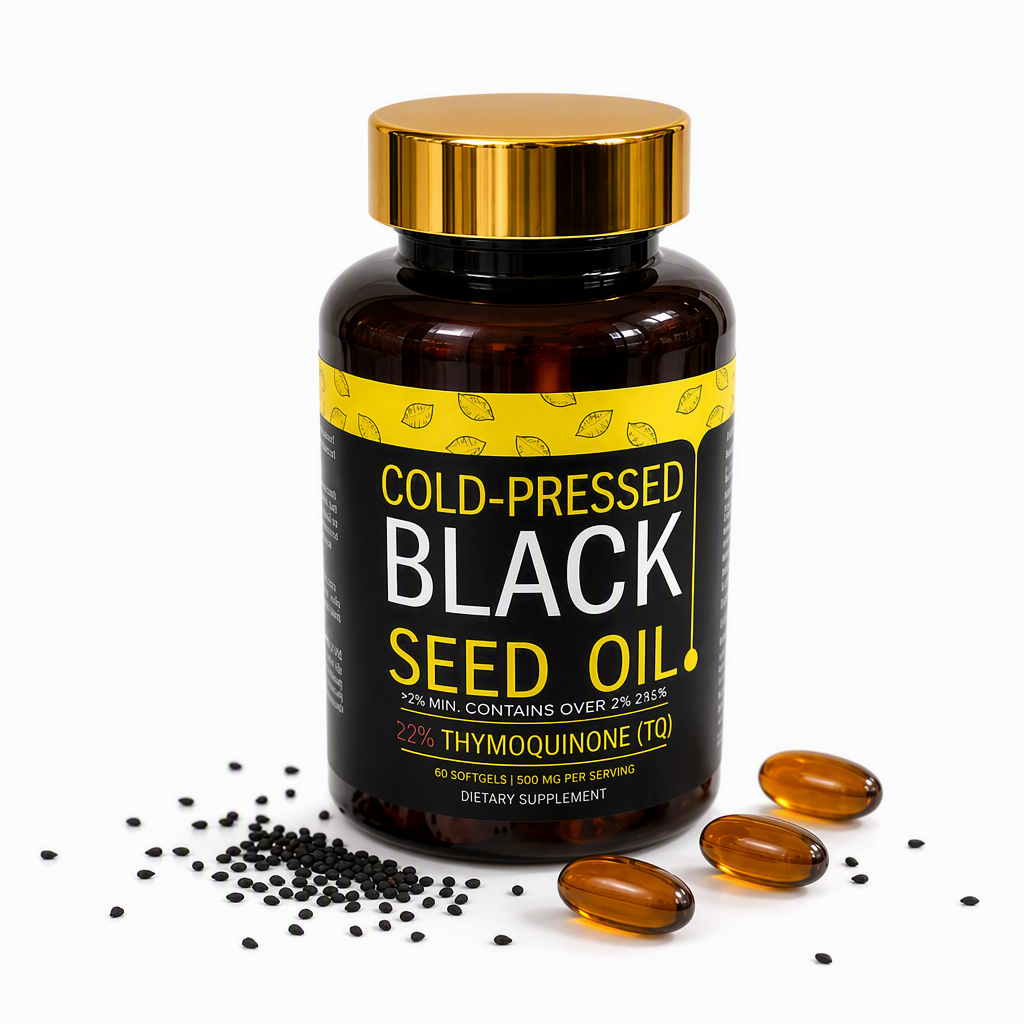 Cold-Pressed Black Seed Oil 500mg
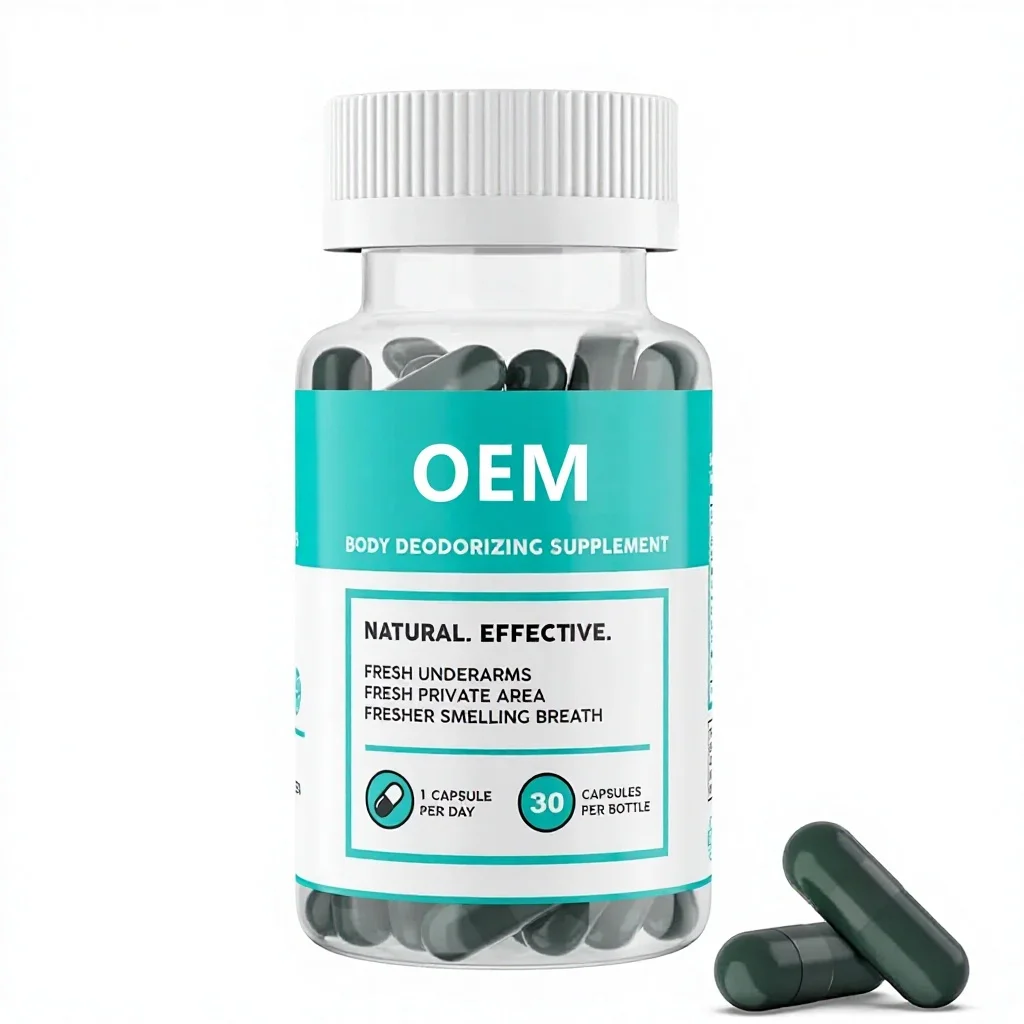 OEM Body Deodorizing Capsules
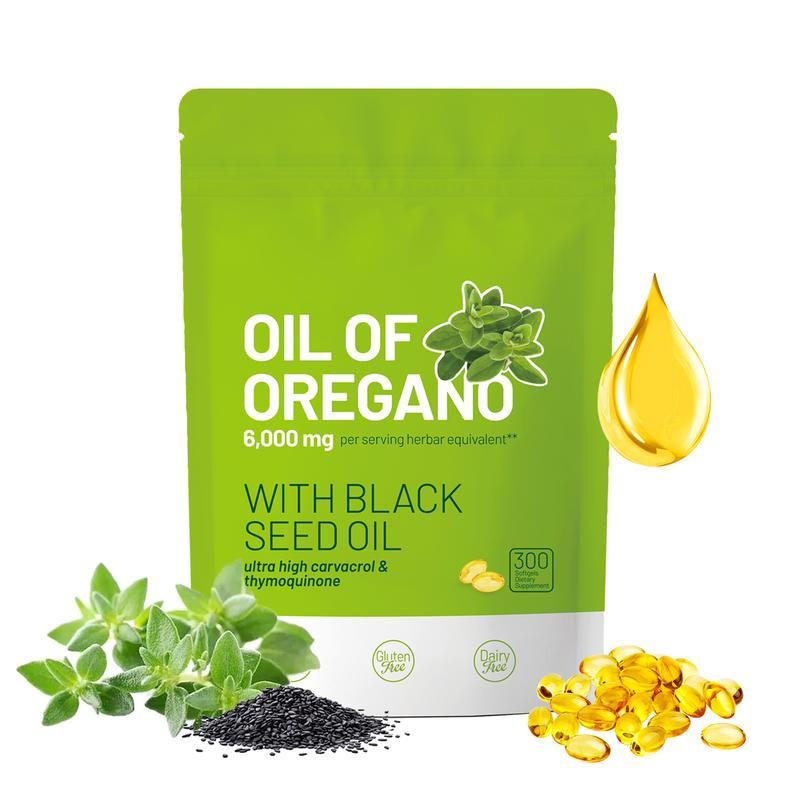 Oil of Oregano with Black Seed Oil
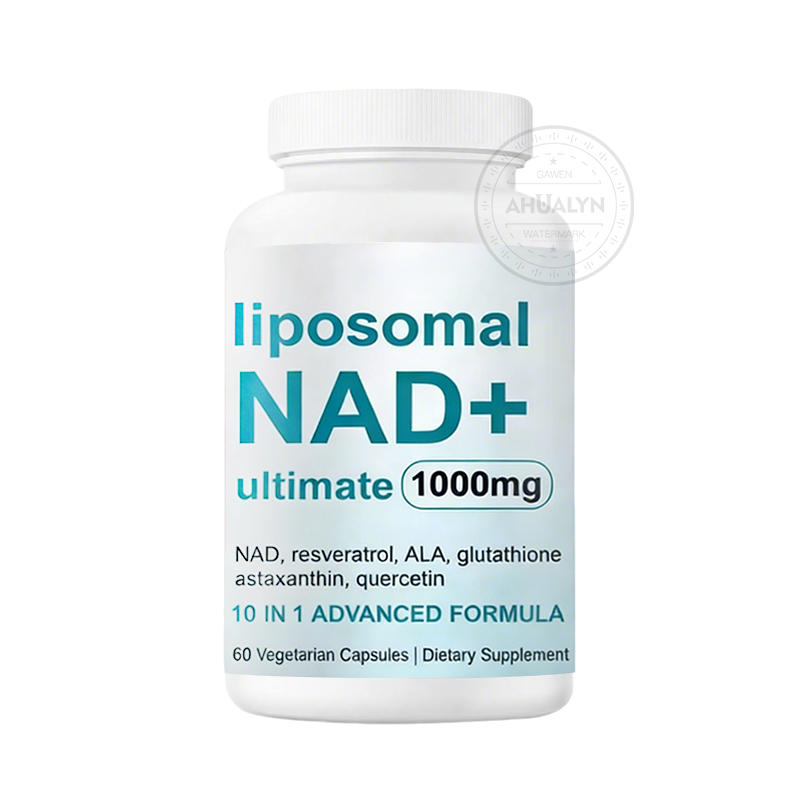 NAD+ Supplement Capsules
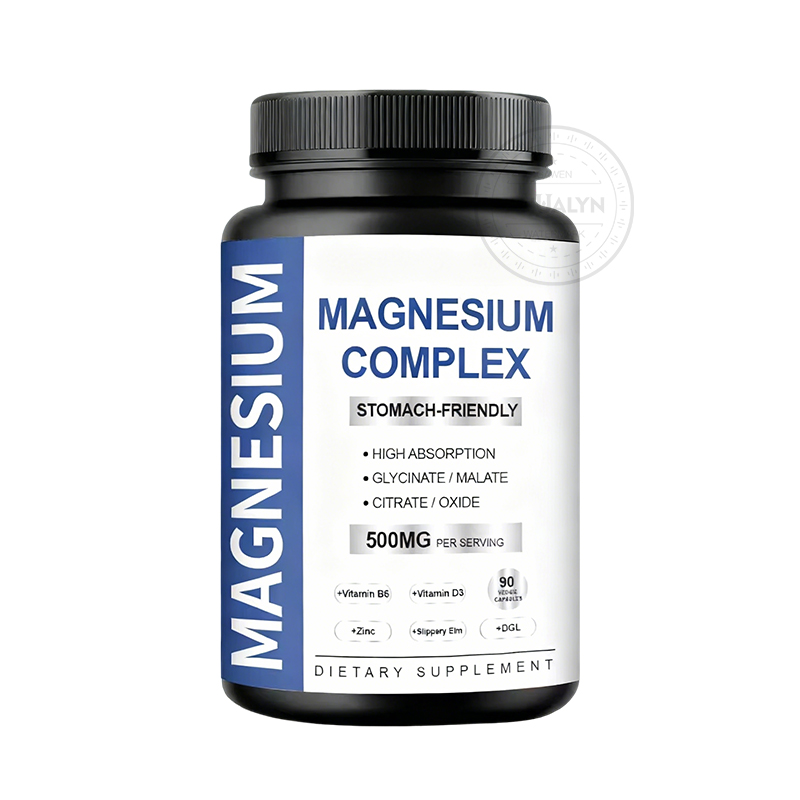 Magnesium Complex Capsules
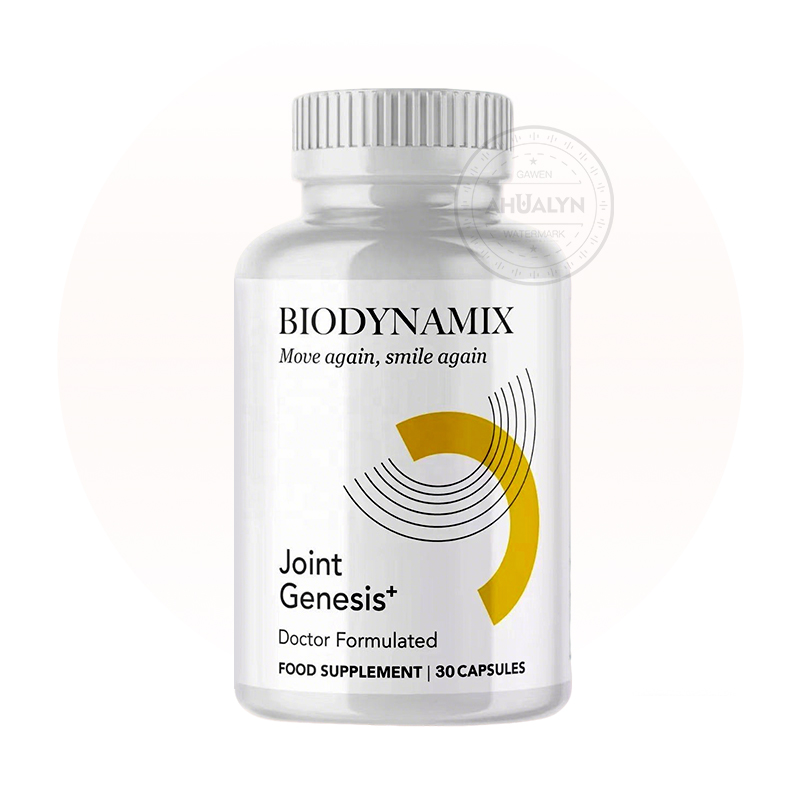 BIODYNAMIX Joint Genesis Capsules
 Food Grade Sodium Hyaluronate
 Cross-linked Sodium Hyaluronate
 D-panthenol
 γ-Polyglutamic Acid
 Allantoin
 Alpha Arbutin
 Beta Arbutin
 Kojic Acid
 Kojic Acid Dipalmitate
 3-o Ethyl Ascorbic Acid
 Ascorbyl Glucoside
 β-Nicotinamide Mononucleotide(NMN)
 β-Nicotinamide Mononucleotide(NMN)
 Nicotinamide Adenine Dinucleotide(NAD+)
 Glutathione
 Coenzyme Q10
 Pyrroloquinoline Quinone(PQQ)
 Chondroitin Sulfate
 Methyl Sulfonyl Methane
 Glucosamine Hydrochloride
 Glucosamine Sulfate Potassium Chloride
 N-Acetyl-D-Glucosamine
 Vitamin K2